Beyond the Basics: How the DOGISTRY Harness Supports Better Everyday Walks
A dog's daily routine is made up of small moments that matter, from the excitement of getting ready for a walk to the opportunity to explore a familiar neighborhood. The equipment used for these outings should support the dog's comfort while helping the owner manage everyday activities with confidence.
A harness is an important part of that preparation. It provides a body-worn attachment point for walking equipment and can offer an alternative to attaching a leash directly to a collar. Choosing the right design requires more than selecting an attractive color; fit, construction, adjustment, and the dog's individual needs should all guide the decision.
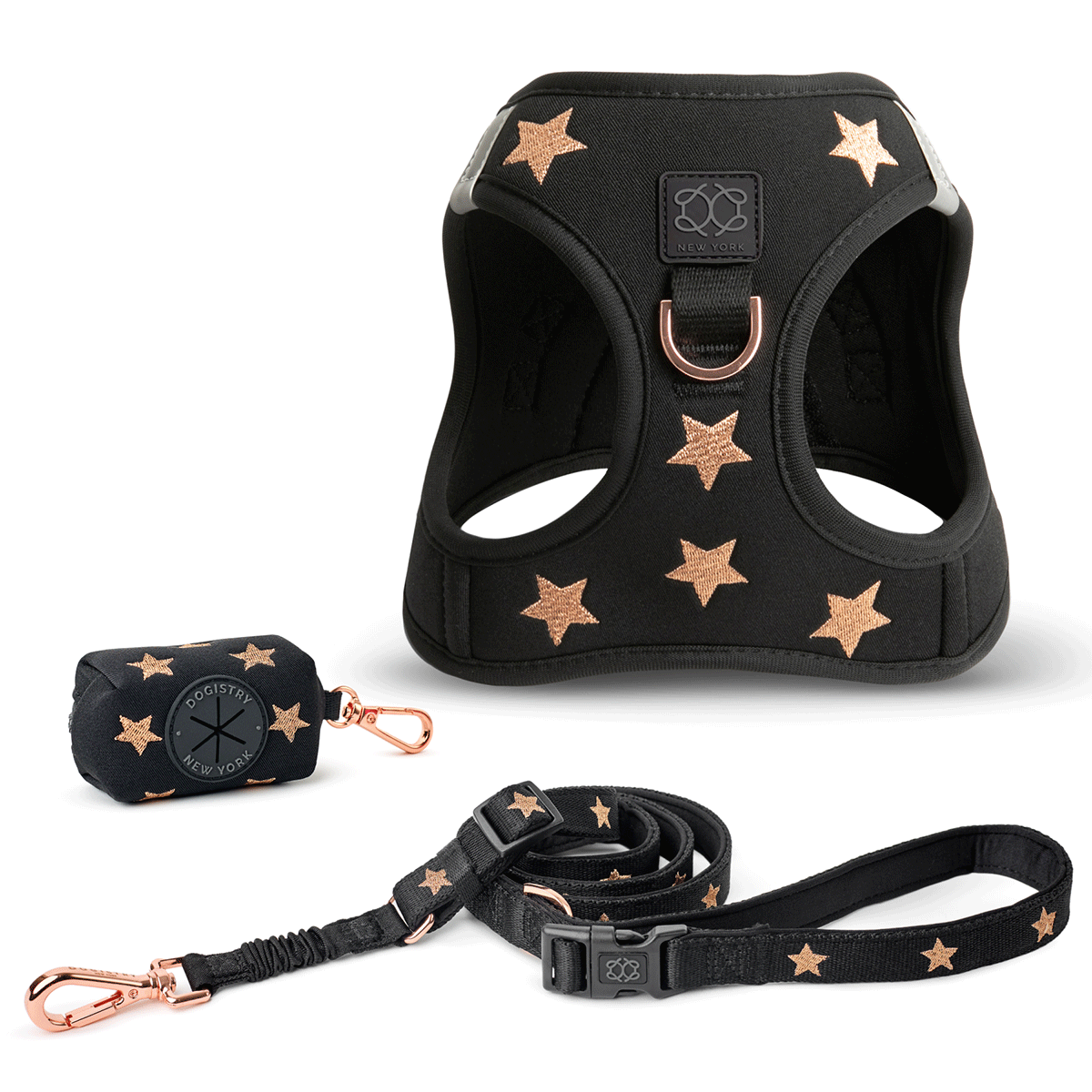
DOGISTRY's harness collection brings together practical design and distinctive style. With options such as the SoHo Step-In Harness and the NoMad Adjustable Luxe Harness, dog owners can compare different approaches to fit and functionality before selecting a suitable option.

Why the Right Harness Makes a Difference
A harness should allow a dog to move naturally while maintaining a secure connection for walking. When the fit is appropriate, the equipment can become a comfortable part of the routine instead of a source of rubbing, slipping, or resistance.
Different dogs have different body shapes and comfort preferences. A small dog who dislikes equipment passing over the head may respond better to a step-in design, while another dog may be comfortable with an over-the-head style.
The right choice should be based on the individual dog rather than a general assumption about breed or personality. Owners should measure carefully, follow the manufacturer's instructions, and observe how their dog responds during the first few uses.
Discover the DOGISTRY SoHo Step-In Harness
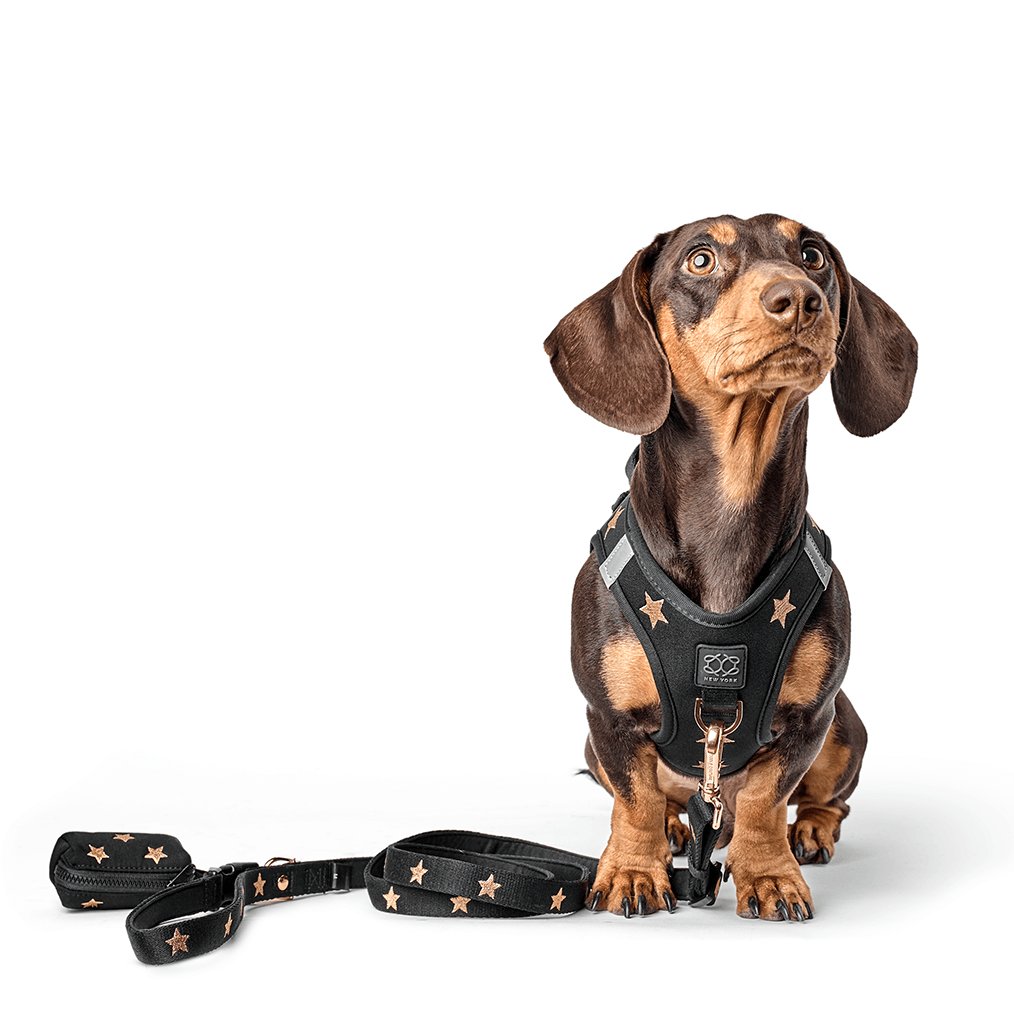
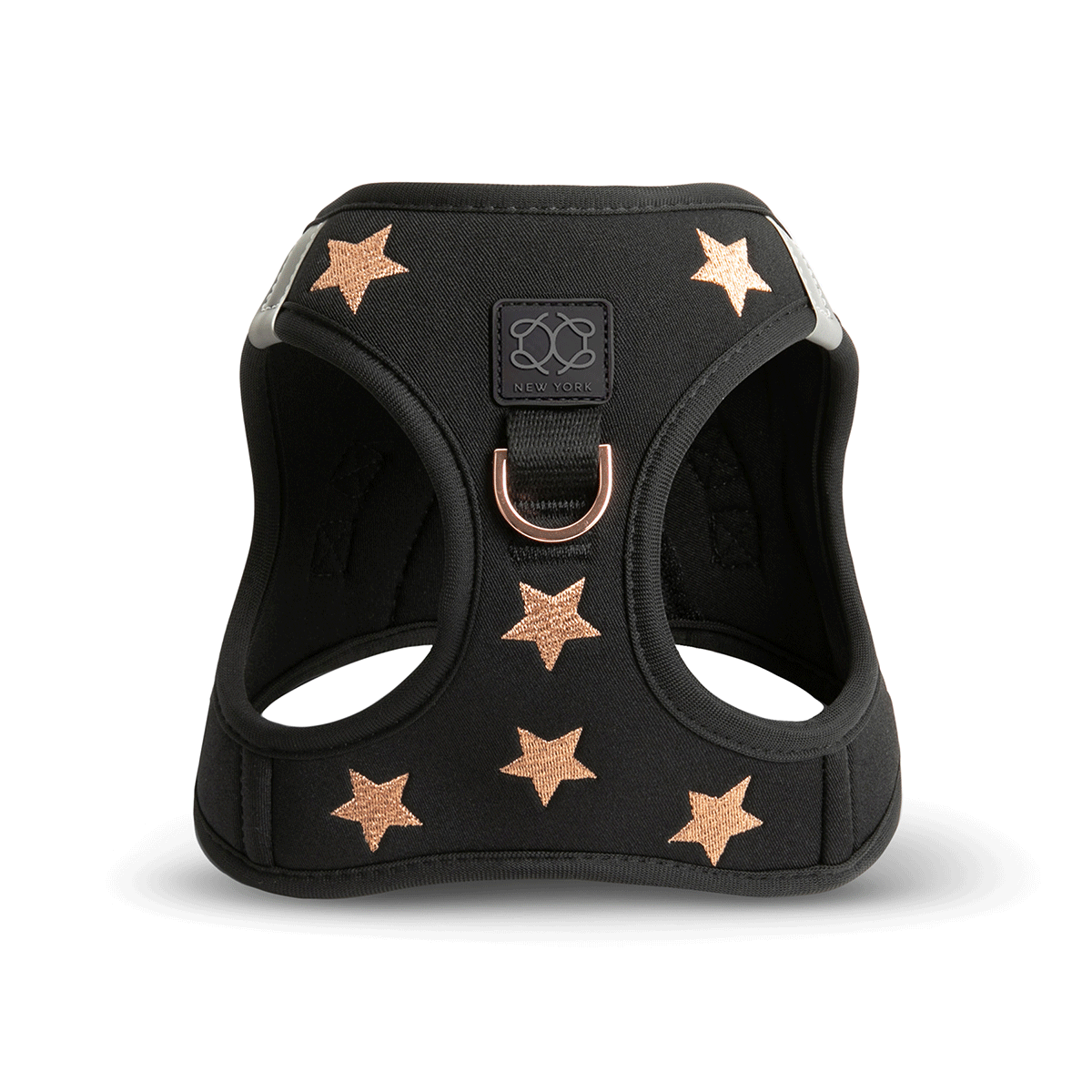
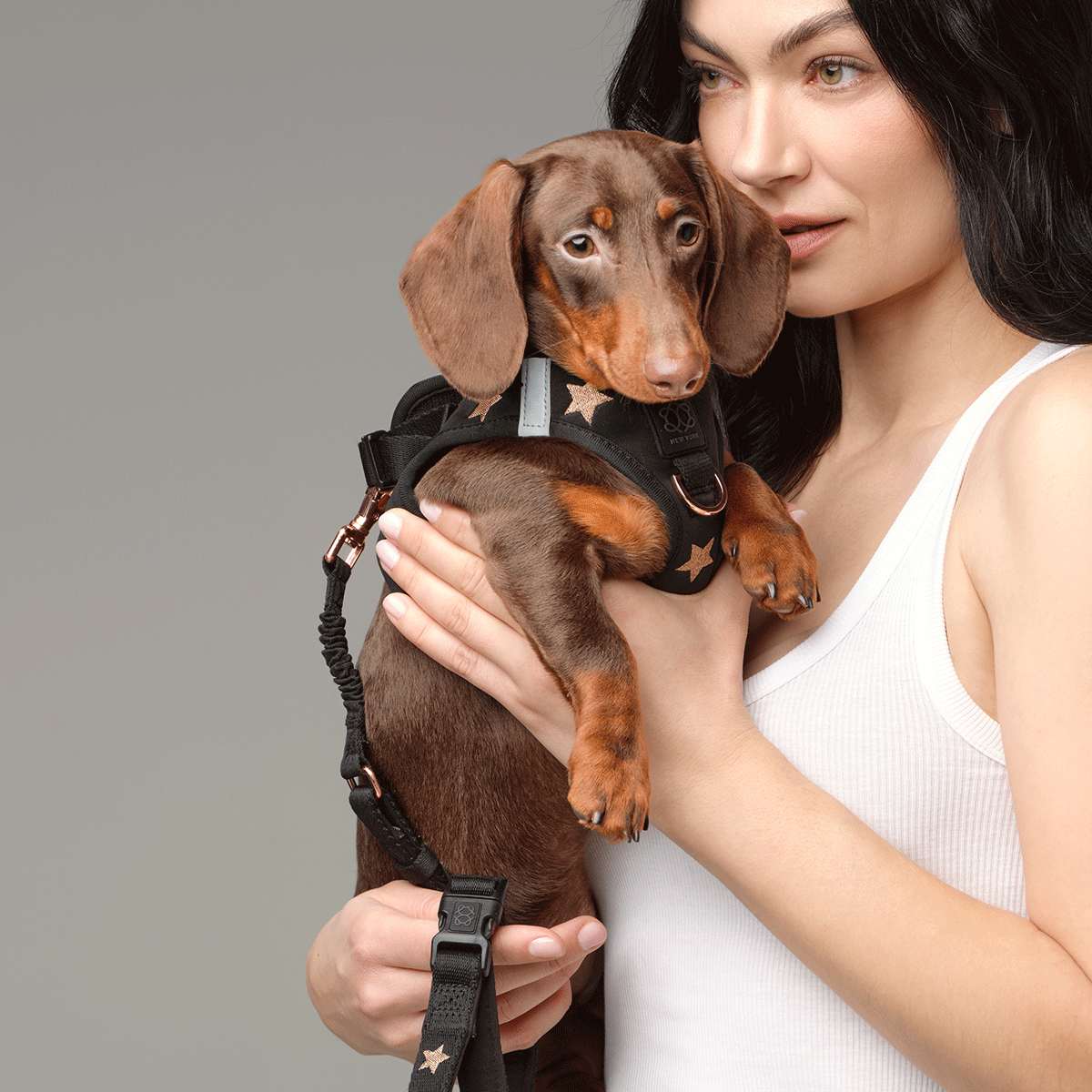
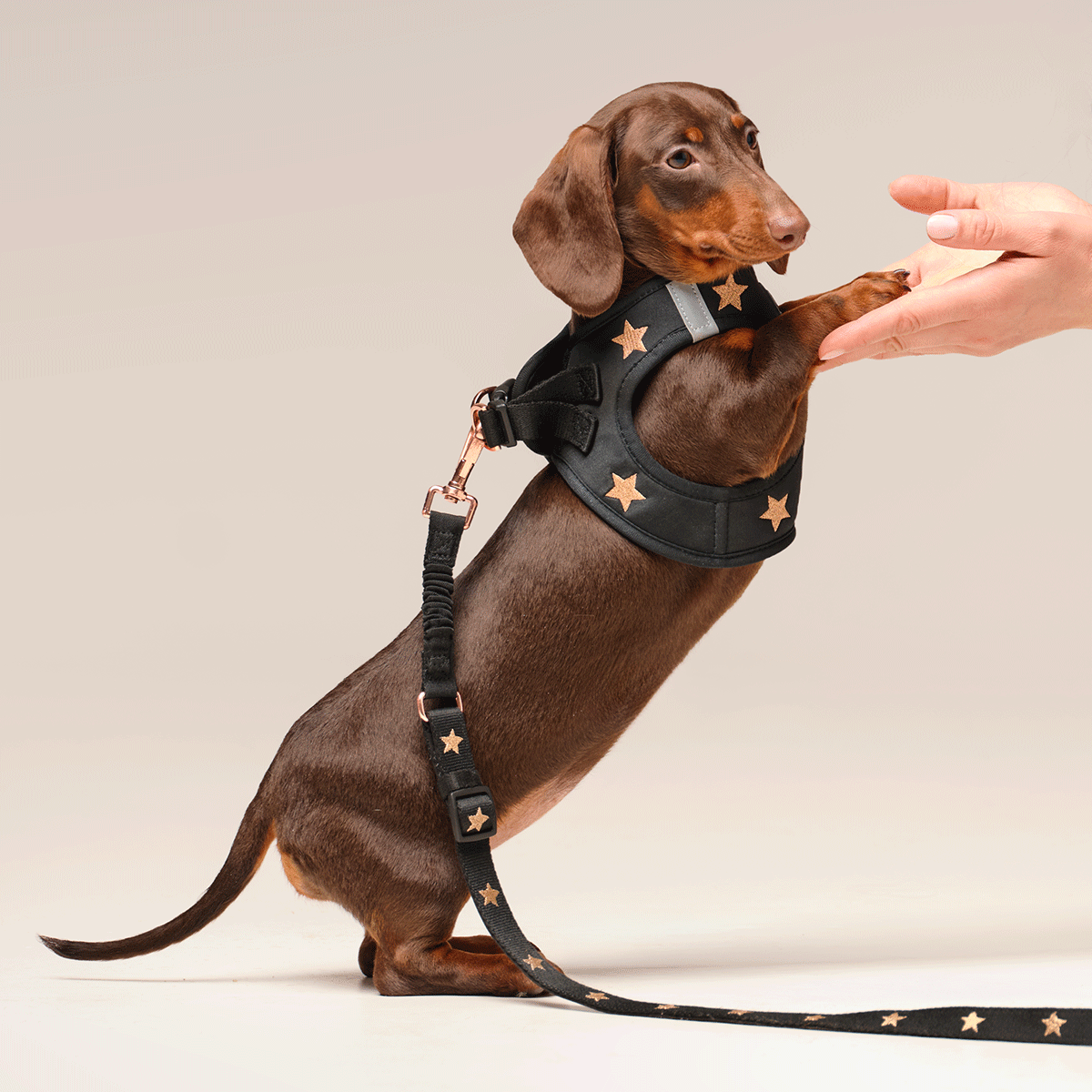
The DOGISTRY SoHo Step-In Harness is designed around a step-in dressing method. This can make preparation simpler for dogs who prefer not to have a harness pulled over their heads, although a gradual introduction is still important for dogs who are nervous about handling.
The design includes breathable mesh padding, adjustable closures, and front and rear leash attachment options. These features give owners different ways to manage everyday walking, depending on the dog's behavior and the situation.
A Design That Prioritizes Fit
A harness needs to sit securely around the dog's body without pinching or restricting movement. The adjustable features of the SoHo design allow owners to fine-tune the fit within the appropriate size range.
Before heading outside, check the straps, closures, and attachment points. The harness should not rotate excessively, slip toward the shoulders, or leave enough room for the dog to back out of it.
Front and Rear Attachment Options
The front attachment point may help some owners redirect forward movement during loose-leash training. The rear attachment point provides another option for ordinary walks, depending on the dog's training and the owner's preferences.
Neither attachment point automatically prevents pulling. Training, appropriate handling, and attention to the dog's body language remain essential for safe and enjoyable walks.
Breathable Padding for Daily Wear
Breathable padding can contribute to comfort during regular activity. However, owners should still monitor the skin and coat for irritation, especially after longer outings or in warm weather.
Remove the harness when appropriate, allow the material to dry if it becomes wet, and inspect the areas that contact the body. A comfortable design should be paired with regular checks.
Consider the NoMad Adjustable Luxe Harness
The DOGISTRY NoMad Adjustable Luxe Harness offers an over-the-head design with adjustable straps and additional features intended for everyday convenience. These include reflective trim, dual D-rings, and a padded grab handle.
Its adjustability allows owners to customize the fit within the model's intended size range. The handle can offer a convenient point for brief, controlled assistance when appropriate, but it should only be used according to the manufacturer's instructions.
Choose Based on Your Dog's Needs
When comparing the SoHo and NoMad harnesses, consider your dog's measurements, dressing preferences, activity level, and the environments where you usually walk. The most feature-rich option is not necessarily the best choice if the fit or dressing method does not suit your dog.
Review the current product listing for available sizes, materials, and specific instructions. Product specifications may change, so the live listing should guide your purchase.
How to Measure for a Better Fit
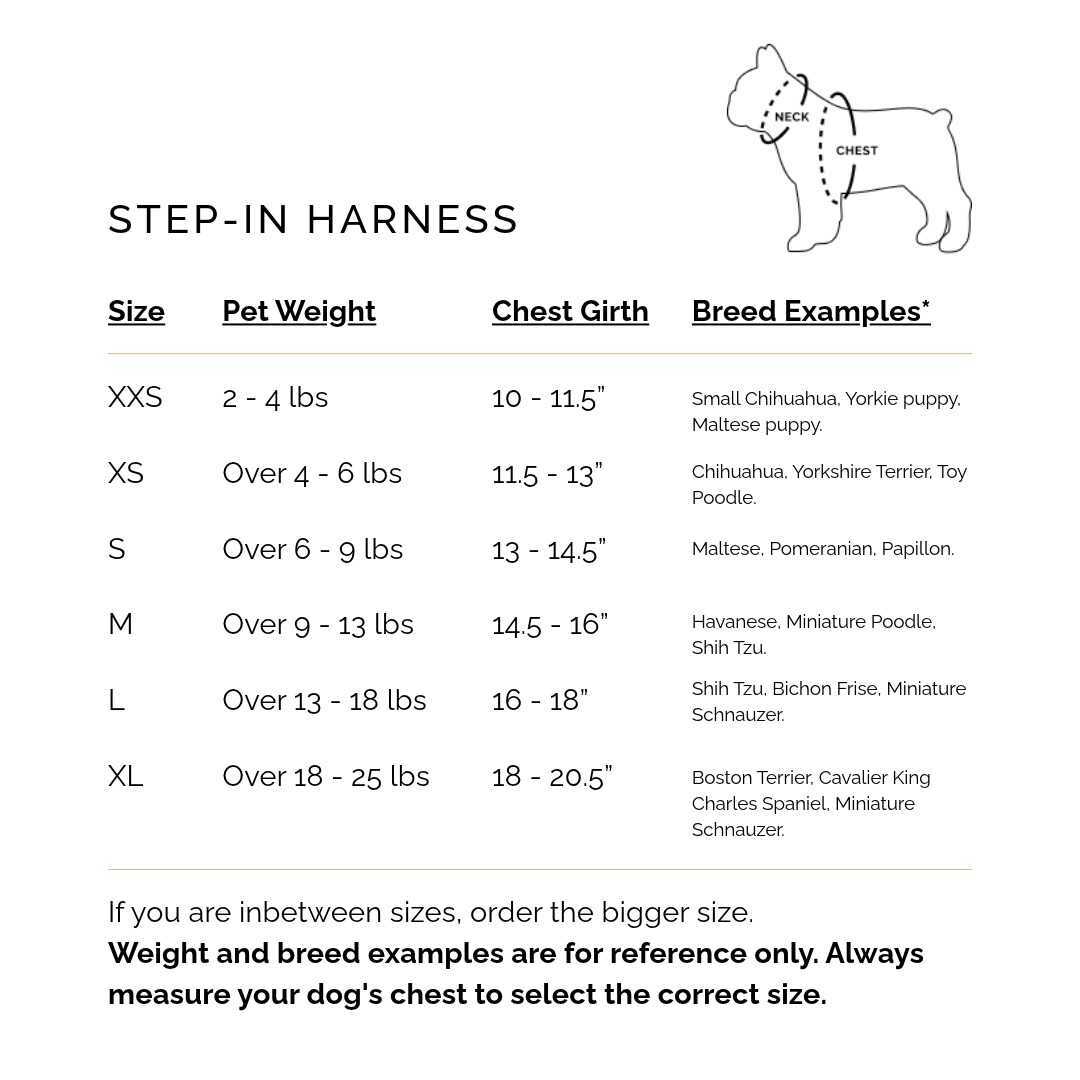
Accurate measurements are essential because dogs of similar weight can have different body proportions. Use a flexible measuring tape and follow the specific instructions supplied for the harness you are considering.
Measure the Chest
The chest measurement helps determine whether the harness will sit securely around the dog's body. Keep the tape flat against the coat without pulling it tightly, and repeat the measurement if your dog moves during the process.
Compare the result with the current size chart for the exact model. Weight is a helpful reference, but it should not replace the manufacturer's sizing guidance.
Check the Fit After Delivery
Try the harness indoors before using it outdoors. Fasten it correctly, adjust the straps, and watch your dog stand, walk, turn, and sit.
Look for even positioning and secure closures. If the harness rubs, shifts significantly, restricts movement, or allows the dog to back out, stop and reassess the size or adjustment.
Recheck as Your Dog Changes
A harness that fits today may not fit the same way after growth or weight changes. Puppies, in particular, need regular fit checks because their bodies can change quickly.
Reassess the fit whenever you notice a change in movement, coat thickness, or comfort. Avoid keeping a harness in use simply because it was previously the correct size.
Introducing a New Harness Gradually
Some dogs are immediately comfortable wearing a harness, while others need time to adjust. A positive introduction can help prevent the equipment from becoming associated with stress.
Begin by allowing your dog to inspect the harness and rewarding calm curiosity. Introduce the dressing process in small steps, keeping each session short enough that your dog remains relaxed.
Once the harness is fastened, allow your dog to move around indoors while you observe the fit. If your dog repeatedly scratches, freezes, or tries to escape, remove the harness when safe and try again more gradually.
Using a Harness During Loose-Leash Training
A harness is a tool, not a complete training solution. Dogs may pull because they are excited, curious, anxious, or still learning how to walk calmly with a person.
Reward your dog when the leash remains loose and the dog checks in with you. Practice in quiet environments before gradually introducing more distractions, and avoid yanking the leash as a response to every movement.
If your dog lunges or pulls strongly enough to create a safety concern, seek guidance from a qualified trainer or veterinary professional. The walking setup should be appropriate for the dog's behavior and physical needs.
Caring for Your DOGISTRY Harness
Routine care helps maintain the harness's appearance and gives you an opportunity to spot wear before it becomes a problem. Dirt, moisture, friction, and repeated fastening can gradually affect materials and hardware.
Follow the care instructions for the exact harness. The SoHo Step-In Harness has been described as suitable for a gentle, cold machine-wash cycle with air drying recommended, but always confirm the current instructions before cleaning.
Inspect stitching, closures, straps, and attachment rings before walks. If you notice fraying, broken hardware, or any damage that could affect secure use, replace the harness rather than continuing to use it.
Style That Reflects Your Dog's Personality
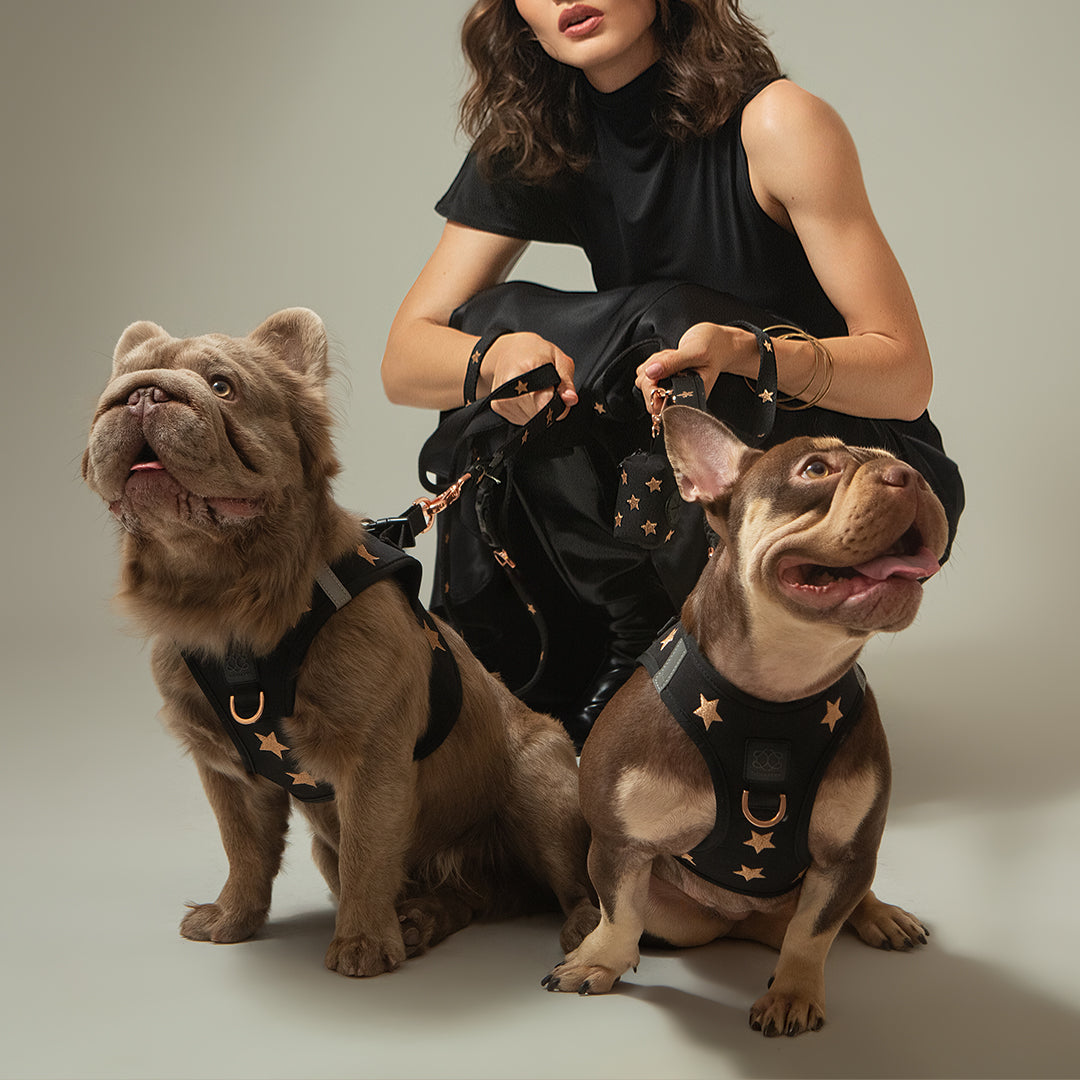
DOGISTRY offers harness designs in different colors and patterns, subject to current availability. A classic shade may suit an understated everyday look, while a distinctive pattern can add personality to a familiar walking routine.
Choose the design you enjoy, but prioritize fit and function first. A beautiful harness is only a good choice when it is comfortable, suitable for your dog, and used according to its instructions.

Frequently Asked Questions
Does a harness automatically stop pulling?
No. A front attachment point may help some owners redirect movement, but consistent training is still needed to teach loose-leash walking.
Is a step-in harness right for every dog?
Not necessarily. It can be convenient for dogs who dislike equipment passing over their heads, but the individual dog's comfort and the fit should guide the decision.
How often should I inspect the harness?
Check it before every walk and reassess the fit regularly. Inspect it again after cleaning, adjustments, or any incident that could have damaged the material or hardware.
How do I choose between the SoHo and NoMad designs?
Compare the dressing method, size range, adjustability, and features against your dog's needs. Use the current DOGISTRY product listings for exact specifications.
Final Thoughts
A suitable harness should support comfort, secure handling, and a positive everyday routine. Careful measurement, gradual introduction, and regular inspection are just as important as the design itself.
Explore the DOGISTRY harness collection and choose a style based on your dog's measurements, comfort, and walking needs. The best starting point for a better walk is equipment that fits the dog using it.