A Dog Harness Is Part of a Daily Routine
A dog harness may only take a few minutes to put on, but it can become part of a much larger daily rhythm. For many dog owners, the same sequence happens again and again: the dog notices the harness, gets ready to go outside, the leash is attached, and the walk begins.
Because the harness appears so frequently in everyday life, its design should make sense beyond a product photograph. It needs to be practical enough for repeated use while remaining comfortable for the dog and manageable for the person putting it on.
DOGISTRY approaches its harness collection with different designs for different preferences and walking routines. The collection includes the SoHo Step-In Harness and the NoMad Adjustable Luxe Harness, giving owners a choice between two distinct approaches to getting ready and walking.

The Harness Is the First Step of the Walk
Before a leash is attached, the harness needs to be properly positioned.
That makes the harness the starting point of the walking system. If the harness is difficult to put on, difficult to adjust, or uncomfortable for the dog, those problems can affect the entire preparation process.
A well-designed harness should make the beginning of the walk feel organized.
The owner should be able to identify the correct orientation, secure the harness, check the fit, and attach the leash without unnecessary complications. That simple process becomes particularly valuable when it happens every day.
Everyday Equipment Should Be Easy to Understand
One of the most useful characteristics of everyday equipment is predictability.
When the same product is used regularly, owners become familiar with how it opens, where the adjustments are located, and how it should sit on the dog. That familiarity can make preparation faster without requiring the owner to rush.
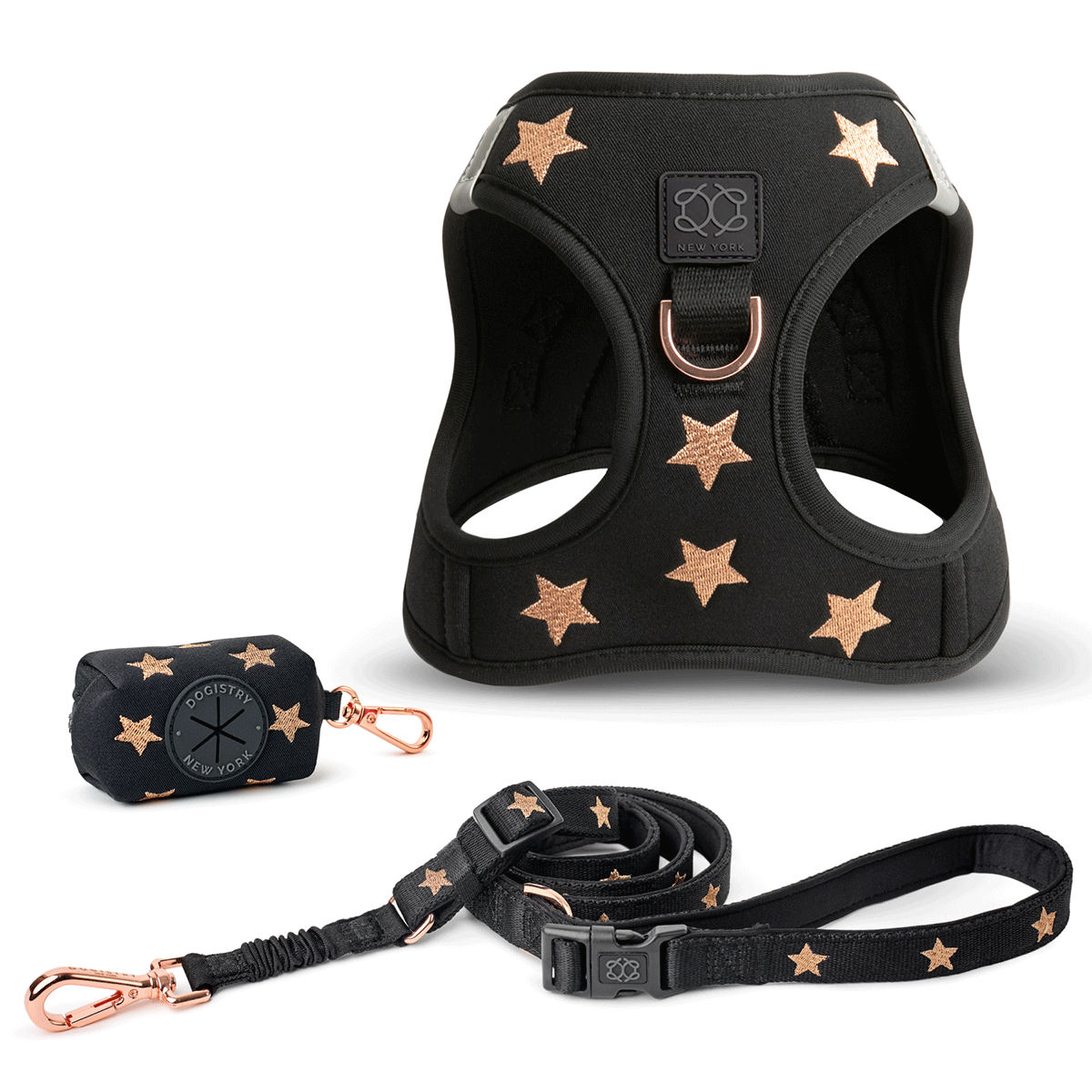
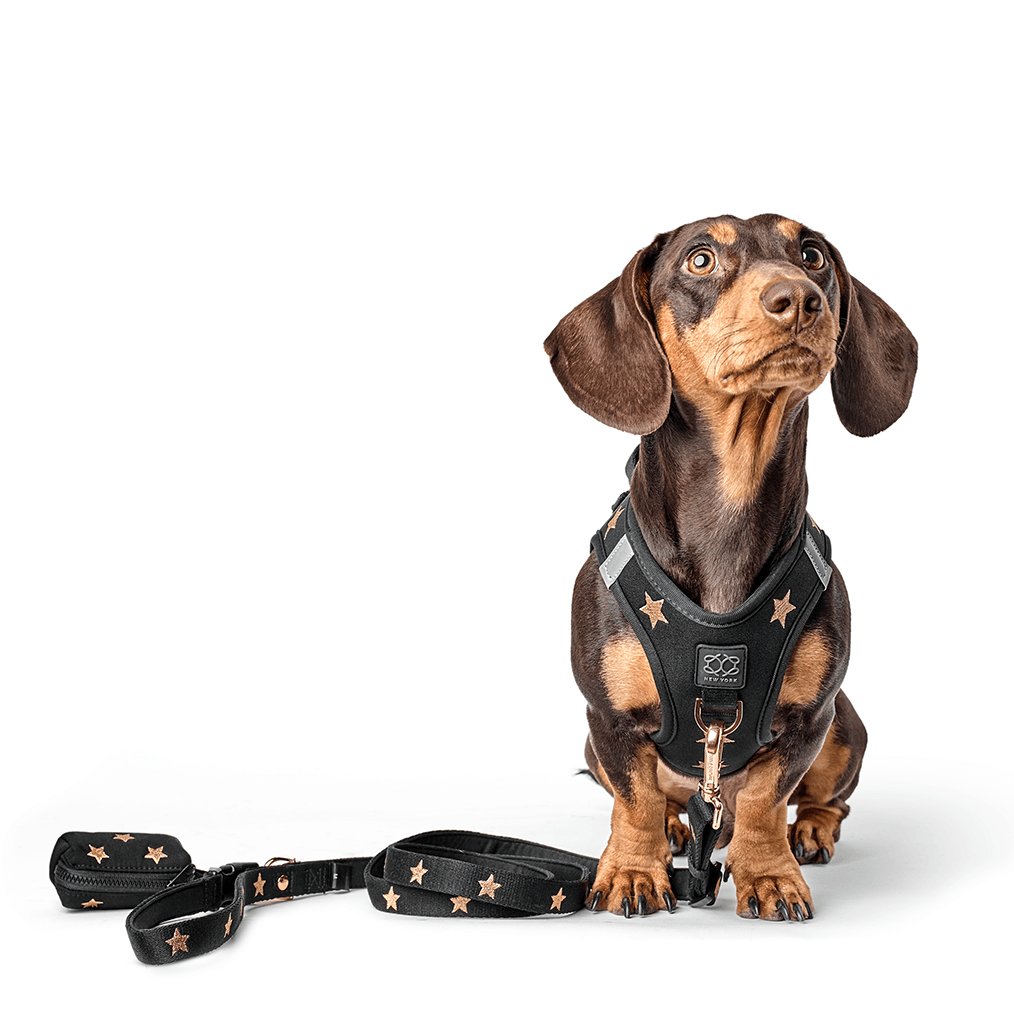
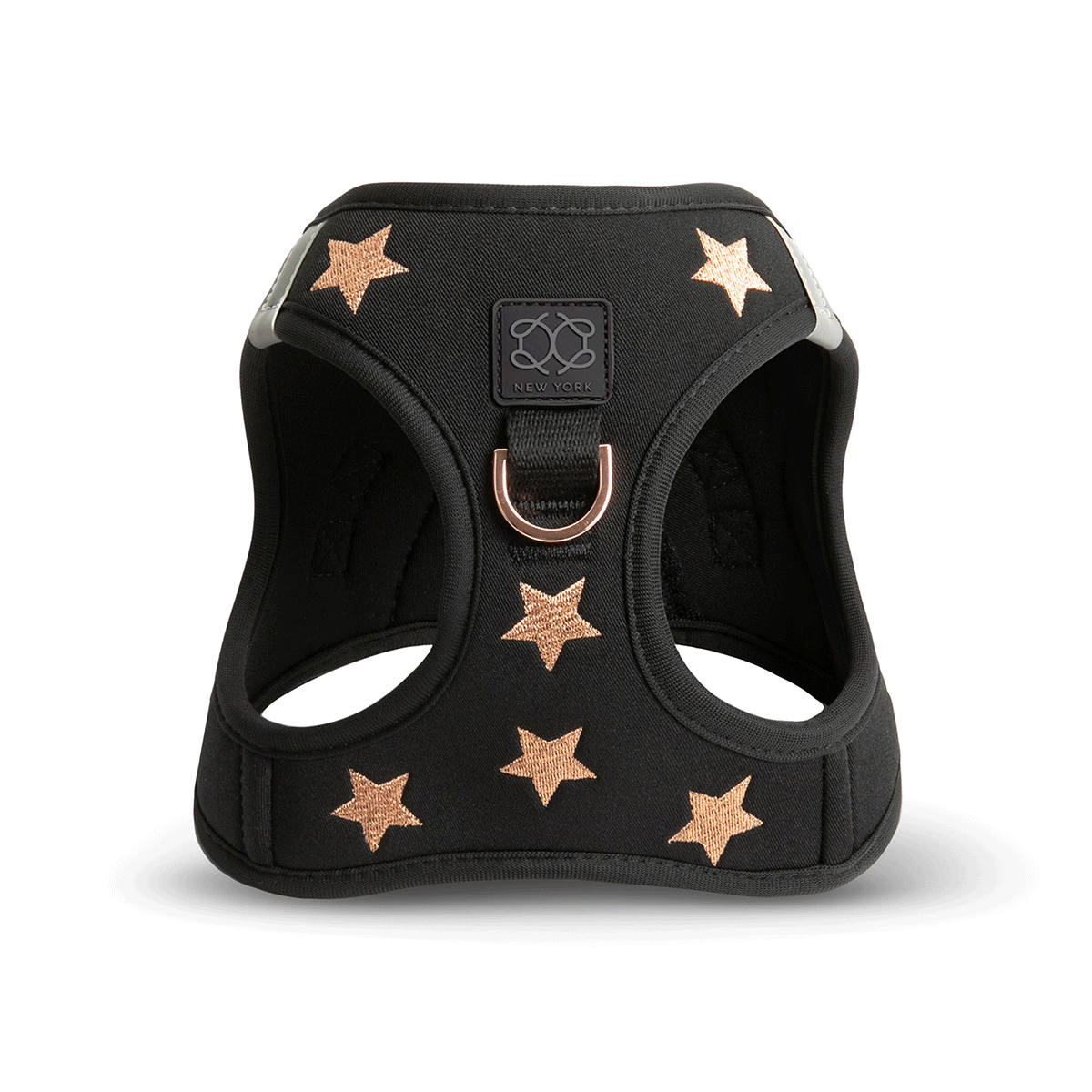
The DOGISTRY SoHo harness uses a step-in construction, while the NoMad uses an over-the-head design with adjustable straps. These different constructions allow dog parents to choose the approach that better matches their dog's routine and their own preferences.
Understanding the SoHo Step-In Design
The SoHo Step-In Harness is designed around a straightforward preparation process.
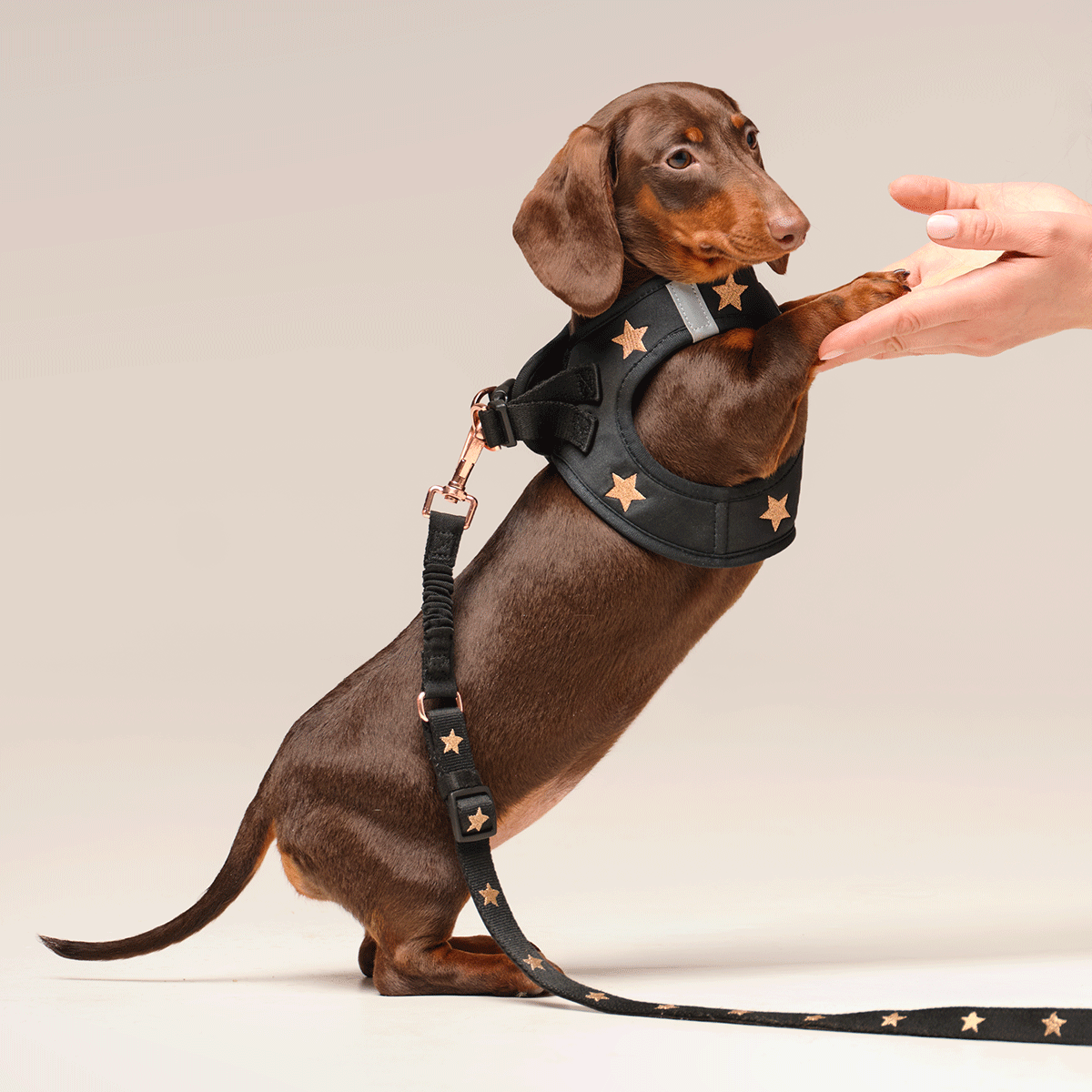
A step-in harness allows the dog to position its front feet into the appropriate openings before the harness is secured. For owners who prefer a simple sequence, this can make the transition from home to outdoor walking more predictable.
The design is particularly suited to owners who appreciate a clear, repeatable process.
Rather than having to work around a complicated arrangement of straps, the owner can follow the same basic routine each time.
A Familiar Routine Can Make Preparation Smoother
Dogs often respond to routines.
They may recognize the sound of a leash being picked up or become excited when the harness appears. A consistent preparation process can help establish a familiar transition between being at home and going outside.
The harness therefore becomes more than a piece of equipment.
It becomes a signal that something enjoyable is about to happen.
For owners, having a harness that is easy to recognize and use can make that transition smoother as well.
The Role of Adjustability
No two dogs have exactly the same body shape.
Even dogs of similar size can have different proportions around the chest and neck. That is why adjustable construction is important when selecting a harness.
DOGISTRY's SoHo design uses adjustable Velcro and a secure reinforced buckle closure, while the NoMad uses adjustable straps to help create a customizable fit.
Adjustability gives owners the ability to fine-tune the fit rather than relying entirely on a fixed shape.
Fit Should Be Checked, Not Assumed
Buying the correct size is only the beginning.
Once the harness arrives, owners should check how it sits on their individual dog. The harness should be positioned correctly, the closures should be secure, and the dog should be able to move comfortably.
DOGISTRY recommends using the dog's measurements when selecting a size rather than relying solely on breed or appearance. Its current collection specifically directs shoppers to measure the neck and chest before choosing a harness.
That approach is important because individual dogs can vary considerably.
Why Movement Matters
A dog does not walk like a person.
Dogs stop, turn, sniff, accelerate, slow down, and change direction constantly. Their movement is part of what makes a walk interesting to them.
A harness therefore needs to remain secure while accommodating ordinary movement.
The objective is not to prevent every movement. It is to create a stable connection that works while the dog moves naturally.
Front and Rear Attachment Options
The SoHo harness includes both front and rear leash attachment points.
These options give owners flexibility in how they connect the leash depending on their walking needs. The front attachment is intended to help redirect forward momentum, while the rear attachment can be used for a more traditional walking configuration.
Having more than one connection option can be useful because not every walk is identical.
A dog may be practicing walking skills during one outing and simply enjoying a familiar neighborhood route during another.
The Front Attachment as a Training Tool
A front leash attachment can be particularly useful for owners working on pulling behavior.
DOGISTRY describes the SoHo front attachment as a way to gently redirect forward momentum. It should be considered one part of a broader training approach rather than a substitute for consistent training and communication.
The advantage is that owners have another physical connection point available when they need it.
This can give them more flexibility while developing better walking habits.
Why Harness Construction Should Match the Dog
There is no reason to assume every dog will prefer exactly the same harness style.
Some owners may prefer the straightforward step-in construction of the SoHo. Others may prefer the adjustable strap configuration of the NoMad.
The right choice can depend on the dog's size, body shape, comfort, and the owner's preferred preparation routine.
The important decision is not simply which harness looks attractive.
It is which construction fits naturally into the dog's life.
The NoMad Adjustable Luxe Harness
The NoMad offers a different harness experience.
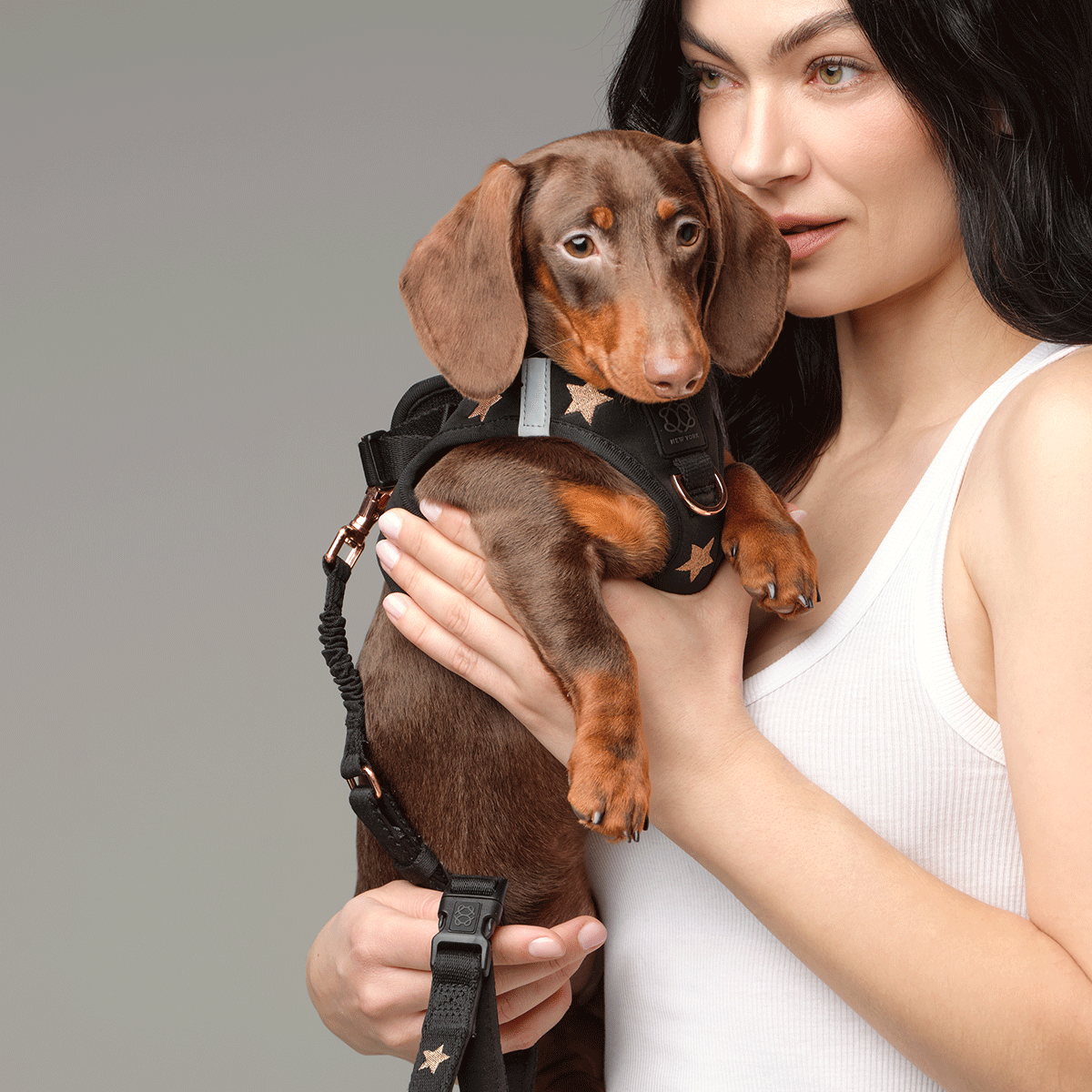
Its over-the-head construction uses adjustable straps, allowing owners to customize the fit. The design also includes dual D-rings, reflective trim, and a padded grab handle.
These details make the NoMad particularly different from the step-in approach.
Instead of focusing primarily on quick entry, it provides a broader range of handling and adjustment features.
Why a Grab Handle Can Be Useful
A leash is not always the only way an owner needs to interact with a dog.
There may be moments when the dog needs to be guided closer, moved away from something, or briefly handled without relying entirely on the leash. The NoMad's padded grab handle provides an additional point of contact.
This can be useful in situations where close handling is appropriate.
It also demonstrates how a small harness feature can serve a purpose beyond ordinary forward walking.
Reflective Trim for Changing Walk Times
Daily routines do not always happen during bright daylight.
Some owners walk early in the morning or later in the evening. The NoMad includes reflective trim as part of its design, adding a visibility-oriented detail to the harness.
Reflective detailing does not replace responsible visibility practices.
However, it can be a useful consideration when selecting walking equipment for a routine that extends into lower-light conditions.
Lightweight Construction Matters
The amount of equipment a dog wears can affect how the overall walking setup feels.
DOGISTRY describes its harnesses with lightweight and breathable construction, particularly within the SoHo and NoMad designs.
For everyday use, lightweight construction can help prevent the harness from feeling unnecessarily bulky.
This becomes more noticeable over longer walks or when the dog wears the harness repeatedly.
Breathability and Everyday Comfort
Dogs can spend considerable time moving outdoors.
A harness that incorporates breathable materials can therefore be useful for everyday routines. The SoHo harness uses breathable mesh padding as part of its construction.
The purpose is not simply to make the product feel soft in a product description.
It is about creating a more comfortable contact area for a piece of equipment that may be used regularly.
Choosing a Harness for Your Dog's Routine
Instead of asking which harness is universally best, consider your actual routine.
Does your dog prefer a step-in process? Is adjustable strap positioning important? Do you need front and rear attachment options? Would a grab handle be useful?
These questions can narrow the decision more effectively than choosing based solely on color.
DOGISTRY provides different harness constructions so owners can make that choice according to their individual circumstances.
The Harness Should Fit Into the Home Routine Too
The walking experience begins before the door opens.
Where you store the harness matters. How you clean it matters. How you check its condition matters.
Keeping the harness in a consistent location makes it easier to find when it is time to walk. Returning it to that same location after each outing creates a simple household routine.
That small organizational habit can make daily preparation more efficient.
Cleaning Your Harness
Frequent-use equipment eventually needs cleaning.
DOGISTRY's SoHo harness can be machine washed on a gentle cycle with cold water, with air drying recommended according to the product guidance.
Following the care instructions helps owners maintain the product rather than treating cleaning as an afterthought.
A regular cleaning routine can also be easier when the harness is already considered part of the dog's normal household equipment.
Inspecting the Harness Regularly
Cleaning is only one part of maintenance.
Owners should also periodically inspect the harness for visible wear, examine the closures, and make sure the attachment points remain in good condition.
This is especially important because harnesses experience repeated movement and tension.
Regular inspection takes very little time.
It can simply become part of preparing for the next walk.
The Harness as a Long-Term Walking Essential
A dog may use many accessories throughout its life, but the walking harness is likely to remain an important part of the routine.
That makes it worth choosing thoughtfully.
A good harness should not only look appealing on the day it arrives. It should make sense months later when it has become familiar equipment.
DOGISTRY's approach combines functional construction with distinctive materials and styles, allowing the harness to remain both practical and visually considered.
Building Confidence Through Consistency
Dogs learn through repetition.
The same harness, the same preparation routine, and the same walking expectations can help create consistency around leaving the house.
That does not mean the harness itself trains the dog.
Instead, it becomes one stable part of the overall routine.
Consistency can make the process easier for both the dog and owner.
A Harness Is Part of the Relationship Between Dog and Owner
Walking equipment creates a physical connection, but the experience is ultimately about communication.
The owner observes the dog.
The dog responds to the owner's direction.
Both move through the environment together.
The harness is simply the equipment that supports that connection.
Choosing one that fits properly and feels manageable can help the owner focus more on the dog rather than constantly thinking about the equipment.

Final Thoughts
The best walking equipment is often the equipment that fits naturally into everyday life.
DOGISTRY's SoHo Step-In Harness and NoMad Adjustable Luxe Harness take different approaches to that idea, with differences in construction, adjustment, attachment points, and handling features.
Choosing between them should begin with your dog's size, shape, comfort, and walking routine rather than with appearance alone.
Once the fit and construction are right, the harness becomes something simple: a familiar part of getting ready to go outside.
And that is exactly what everyday dog gear should be.
It should support the routine without becoming the routine.