Why Training Starts With the Right Walking Equipment
Training a dog is not something that happens only in structured sessions—it happens every single time the leash comes out. Every walk is a learning moment where behavior is shaped, reinforced, or corrected.
Many dog owners struggle with pulling, jumping, sudden direction changes, or lack of focus during walks. While training techniques are important, the equipment used during training plays an equally important role in success.
A poorly designed walking tool can make training harder, inconsistent, and frustrating. A well-designed harness system, however, can significantly improve communication between dog and owner.
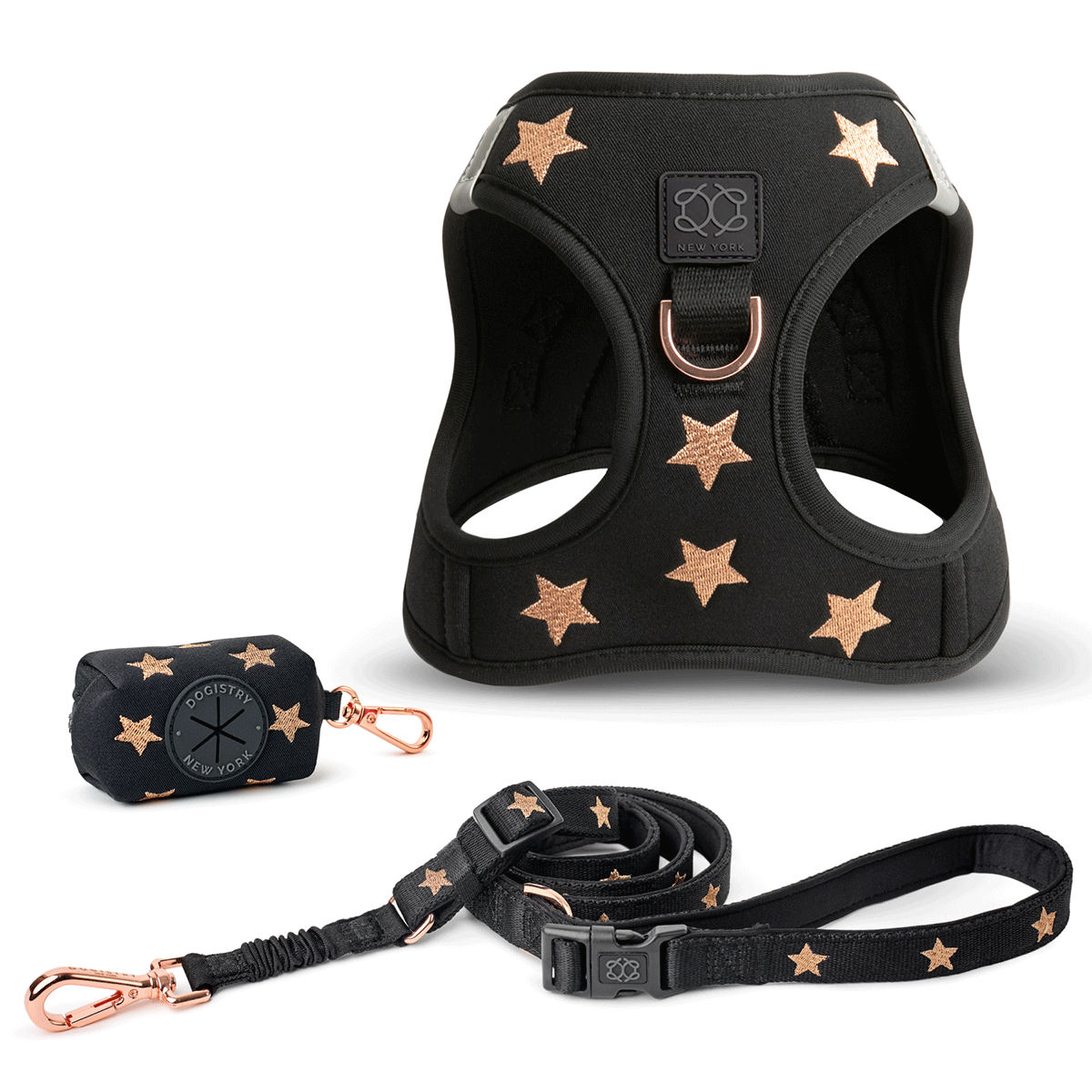
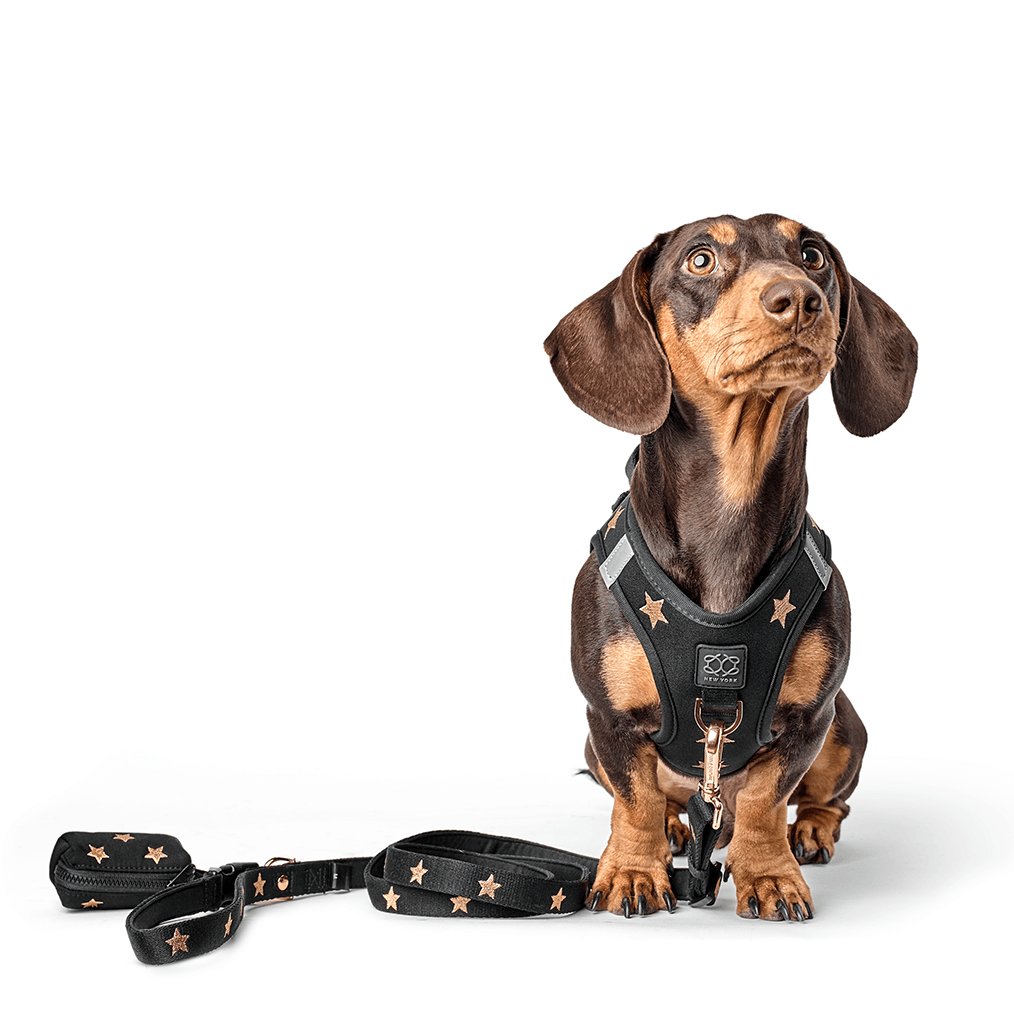
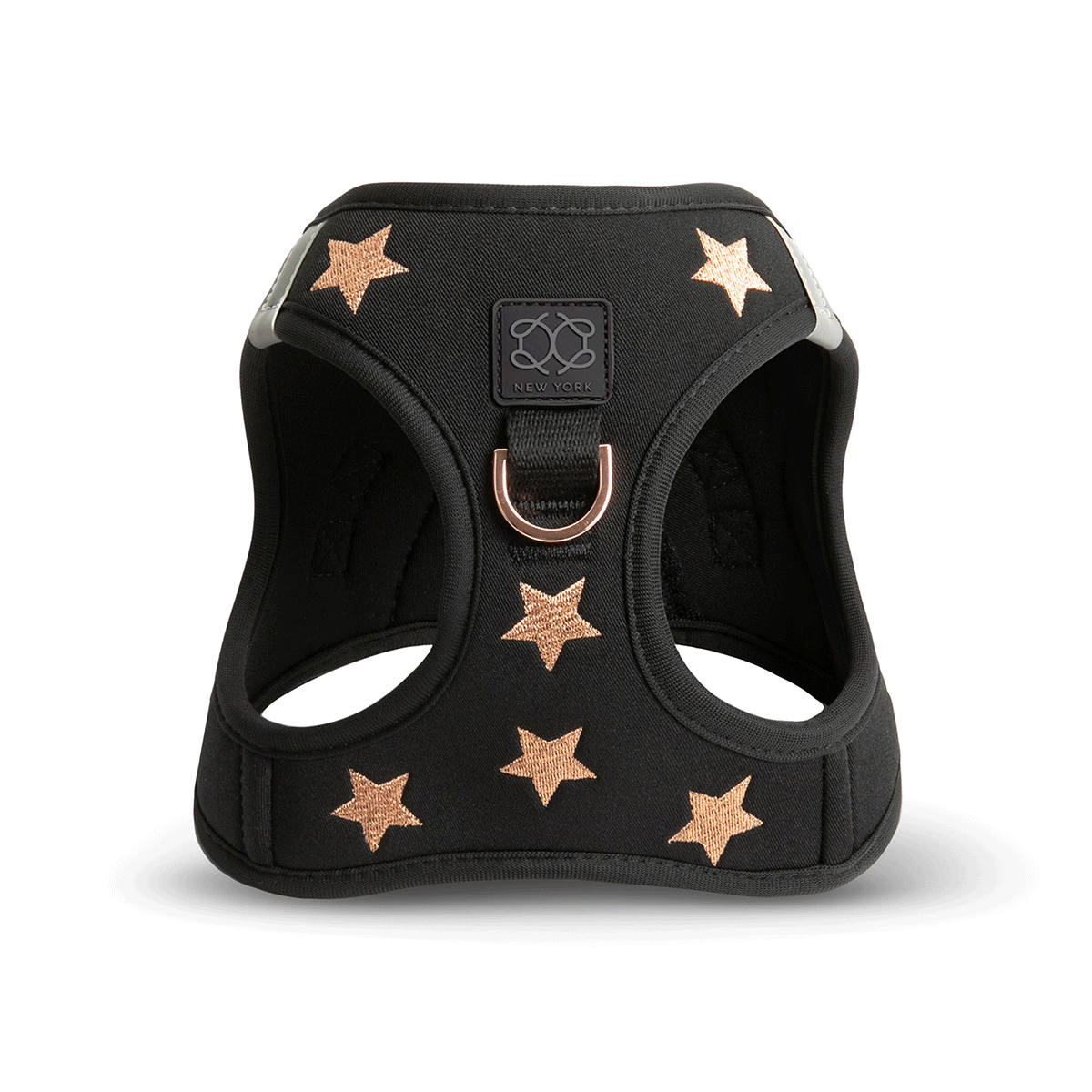
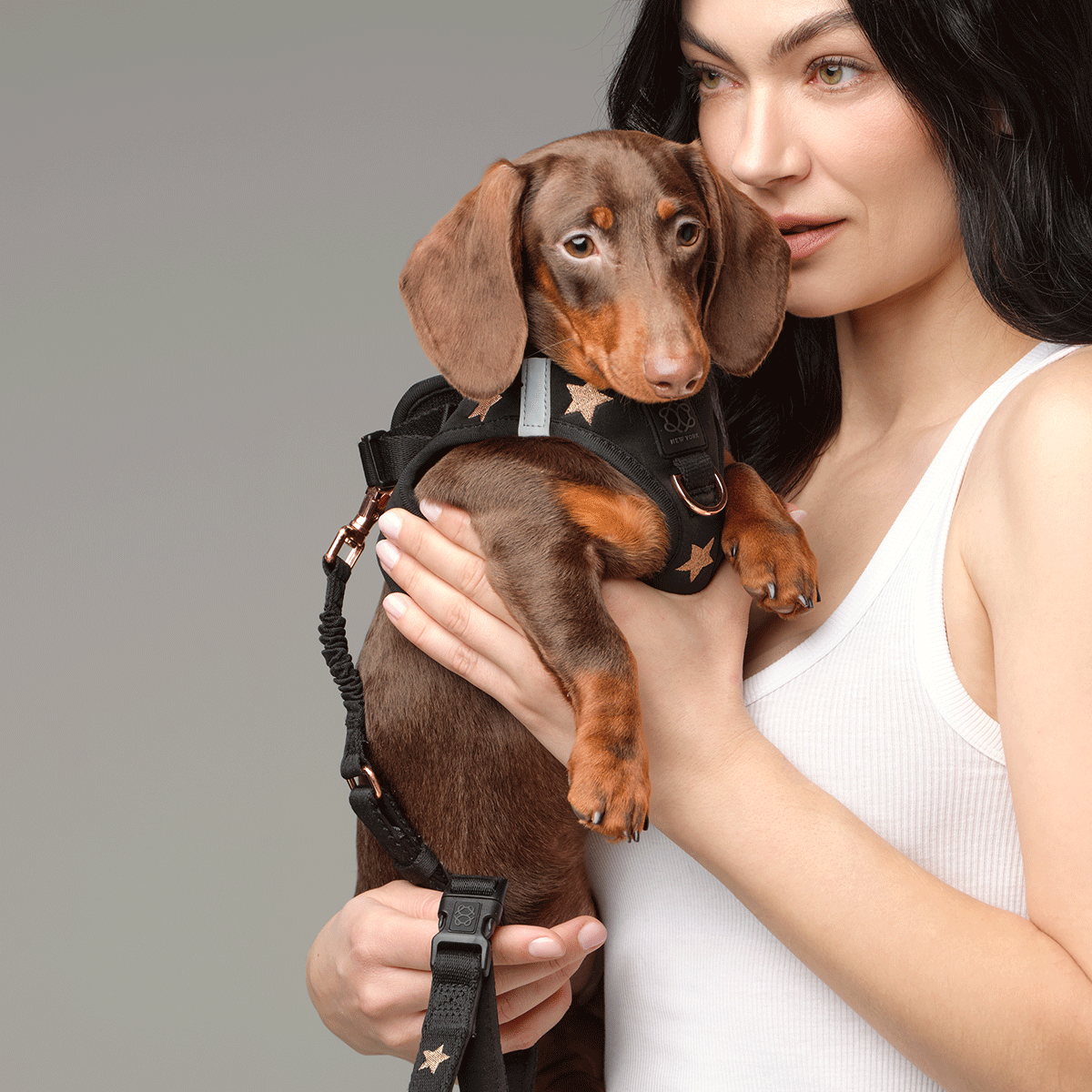
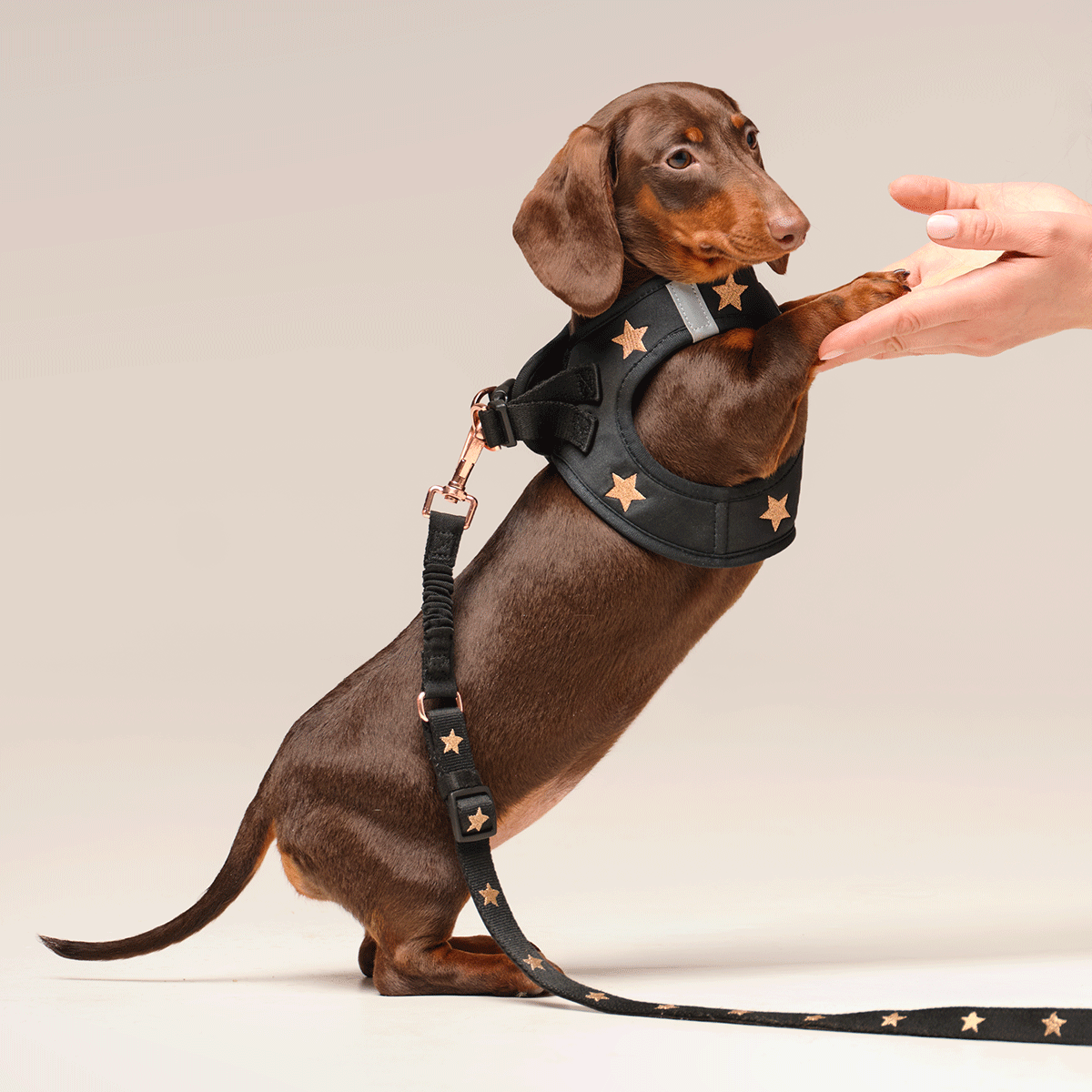
Dogistry designs harness systems that support training behavior, improve communication, and help establish long-term walking discipline. Dogistry focuses on making training easier by improving control, comfort, and consistency during every walk.
A harness is not just walking gear—it is a training tool.

Why Harness-Based Training Works Better Than Collar Training
Traditional collars place pressure on the neck, which can create discomfort during corrections or pulling behavior. This can sometimes lead to resistance or confusion during training.
Harness-based systems distribute pressure more evenly across the dog’s chest and shoulders, making communication clearer and safer.
Key Training Advantages of Harness Systems
- Reduces stress during correction
- Improves clarity of movement guidance
- Encourages calmer behavior
- Reduces negative physical feedback
- Helps maintain consistent training signals
Dogistry harnesses are designed specifically to improve training clarity without causing discomfort or confusion.
The Role of Consistency in Dog Training
Dogs learn through repetition and consistency. If equipment changes or feels different each time, it becomes harder for them to understand expectations.
Dogistry harness systems help create consistency in training by providing:
- Stable fit during every walk
- Predictable leash response
- Reliable pressure distribution
- Uniform handling experience
This consistency helps dogs understand walking expectations faster and more clearly.
How Dogistry Harnesses Reduce Pulling Behavior
Pulling is one of the most common training challenges dog owners face.
Dogs pull because they are excited, distracted, or eager to explore. Traditional walking setups often make this behavior worse because they provide limited control.
Dogistry harnesses help reduce pulling by:
Control Mechanisms
- Redirecting forward motion
- Distributing pressure across the chest
- Reducing neck strain during pulling
- Encouraging balanced movement
Instead of fighting against the dog, the harness guides movement more effectively.
Improving Communication Between Dog and Owner
Training is not just about control—it is about communication.
A harness helps improve communication by allowing clearer physical signals. When the dog changes direction or speed, the owner can respond more smoothly.
Dogistry harness systems help owners:
- Guide movement with less resistance
- Provide clearer directional signals
- Maintain steady walking rhythm
- Improve responsiveness during distractions
This improves the overall relationship between dog and owner during walks.
Comfort and Its Impact on Learning Behavior
Comfort plays a major role in how well a dog learns during training sessions.
If a dog feels discomfort, it becomes distracted, resistant, or anxious. This slows down the learning process.
Dogistry Comfort Features That Support Training
- Lightweight construction to reduce fatigue
- Soft materials to prevent irritation
- Adjustable fit for proper positioning
- Flexible design for natural movement
A comfortable dog is more focused, calm, and receptive to training.
The Importance of Controlled Movement in Training
Training requires controlled movement—not restriction, but guidance.
Dogistry harness systems allow controlled movement by:
- Limiting sudden pulling force
- Supporting steady walking pace
- Preventing uncontrolled lunging
- Helping maintain direction focus
This allows owners to guide behavior without overwhelming the dog.
How Harness Systems Improve Long-Term Discipline
Training is not just about short-term behavior—it is about long-term habits.
Dogistry harness systems help build long-term discipline by reinforcing:
- Calm walking behavior
- Consistent leash manners
- Better focus in public spaces
- Reduced reactive behavior
Over time, dogs begin to associate the walking system with structured behavior expectations.
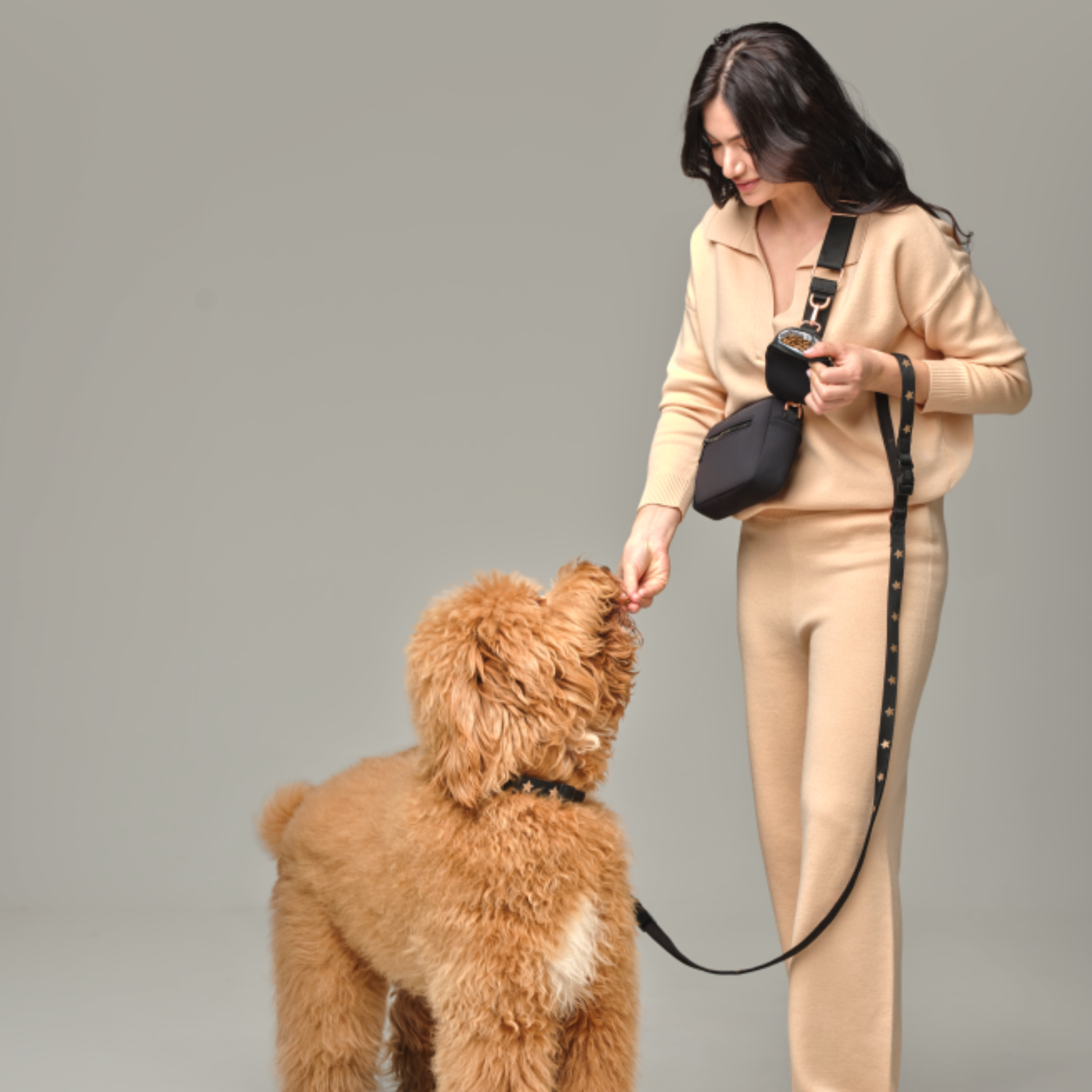
The Connection Between Harness, Leash, and Collar in Training
Training is most effective when all walking tools work together.
Dogistry System Integration
- Harness = movement control
- Leash = communication and direction
- Collar = identification support
When these tools are aligned, training becomes more consistent and effective.
Dogistry designs all three to function as a coordinated system rather than separate products.
Real-World Training Environments Where Harnesses Matter Most
Dog training does not happen in controlled environments alone.
Dogistry harness systems are especially useful in:
High-Distraction Environments
- Busy sidewalks
- Dog parks
- Urban streets
- Public gatherings
Training Situations
- Leash walking practice
- Recall improvement
- Behavior correction
- Social exposure training
In these environments, control and clarity become essential.
Why Dogistry Harnesses Work for All Training Stages
Different dogs require different levels of training support.
Dogistry harness systems are suitable for:
- Puppies learning basic walking behavior
- Adolescents developing impulse control
- Adult dogs refining leash manners
- Strong dogs needing structured guidance
Adjustability ensures the harness grows with the dog’s development.
Reducing Stress During Training Sessions
Training should not feel stressful for the dog.
Dogistry harness systems help reduce stress by:
- Avoiding neck pressure
- Preventing harsh correction forces
- Allowing natural movement
- Supporting calm guidance
Lower stress levels lead to better learning outcomes.
Durability for Repeated Training Use
Training involves repetition, resistance, and constant movement.
Dogistry Durability Features
- Reinforced stitching for strength
- Secure buckle systems
- Strong leash attachment points
- Long-lasting materials
This ensures the harness remains reliable during long-term training.
Building Confidence in Both Dog and Owner
Training success depends on confidence.
Dogistry harness systems help build confidence by:
- Giving owners better control
- Helping dogs feel secure
- Reducing unpredictable behavior
- Improving walking predictability
Confidence leads to better training outcomes and more enjoyable walks.
Why Professional Trainers Prefer Harness-Based Systems
Many trainers prefer harness systems because they offer:
- Better control without discomfort
- Clearer communication signals
- Safer correction methods
- Improved behavior shaping
Dogistry harness systems are designed with these principles in mind.

Conclusion: Training Success Starts With the Right Harness
Effective training is not only about commands—it is about the tools used during every walk.
A well-designed harness improves communication, reduces pulling, and supports long-term discipline. It transforms everyday walks into structured learning opportunities.
Dogistry harness systems combine comfort, control, durability, and training support into one reliable walking solution. When used consistently, they help create calmer behavior, better leash manners, and stronger long-term walking discipline.