Finding the perfect harness isn’t just about style — it’s about safety, comfort, and control. A well-fitted harness prevents pulling discomfort, reduces rubbing, and helps your dog move naturally during walks. But with so many sizes and breeds, how do you know which size is right for your pup?
Here’s your complete guide to measuring, sizing, and choosing the perfect dog harness every time.

1. Why Harness Fit Matters
A properly fitted harness ensures:
-
Comfort: no chafing, pinching, or rubbing
-
Safety: prevents slipping out or tightening the wrong areas
-
Control: the harness sits where it should for safe redirection
-
Healthy movement: your dog can walk, run, and turn naturally
Too loose? They can wriggle out.
Too tight? It creates pressure points and discomfort.
Getting the size right is essential — especially for puppies, growing dogs, and breeds with unique shapes.
2. How to Measure Your Dog Correctly
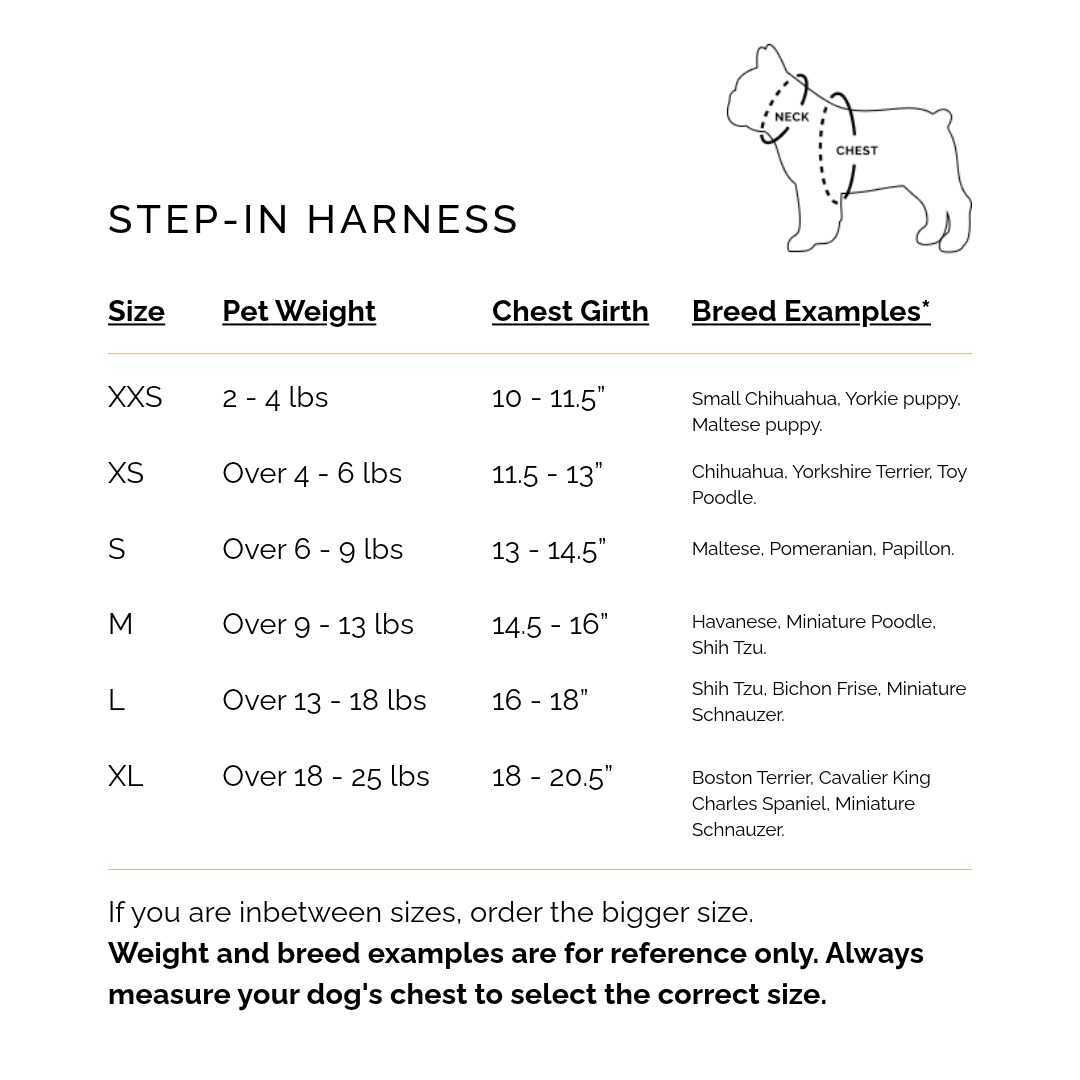
You only need two main measurements for most harnesses, including Dogistry’s step-in styles.
✔ Chest / Girth Measurement (Most Important)
Measure around the widest part of your dog’s chest, right behind the front legs.
Tips:
-
Use a soft measuring tape
-
Keep the tape snug but not tight
-
Take the measurement while your dog is standing
-
If your dog is between sizes, size up for comfort
✔ Neck Measurement (If Required)
Some harness styles need a neckline measurement. Measure around the base of the neck, where a collar naturally sits.
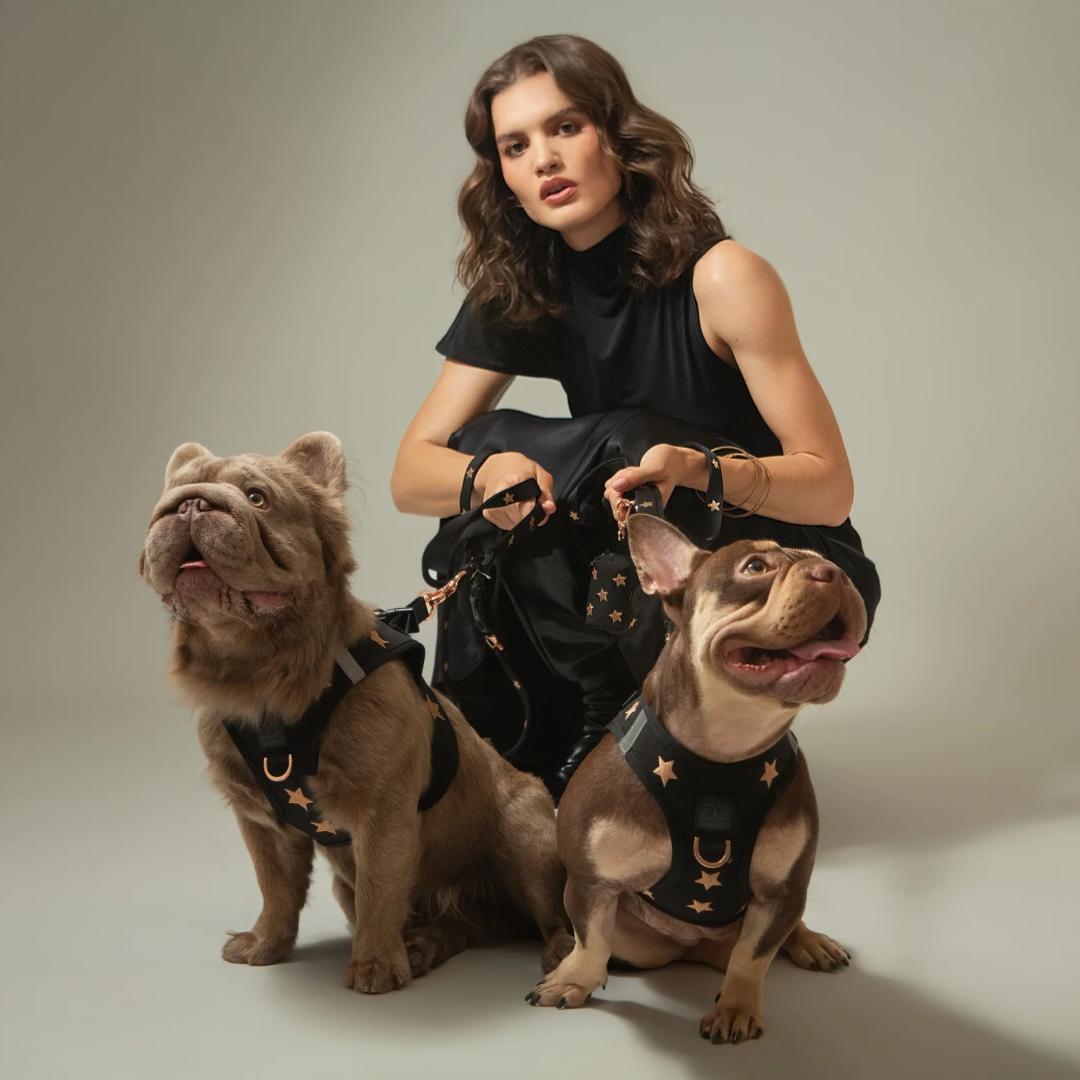
Pro Tip: If your dog has a broad chest or a thick neck (like Frenchies, Pugs, or Bulldogs), pay extra attention to both areas.
3. How to Know If the Harness Fits Properly
After putting on the harness, use these fit checks:
✔ The Two-Finger Rule
You should comfortably fit two fingers between:
-
The harness straps and your dog’s chest
-
The harness and your dog’s neck (if applicable)
Too tight = uncomfortable
Too loose = unsafe
✔ No Rubbing in High-Motion Areas
Check:
-
Underarms
-
Shoulder points
-
Chest center
If you see redness or hair loss, adjust or size up.
✔ It Doesn’t Twist or Slide Around
If the harness shifts when your dog moves or pulls to one side, it’s too loose or the wrong shape for their body.
4. Choosing the Right Style for Your Dog
Different dogs benefit from different harness types.
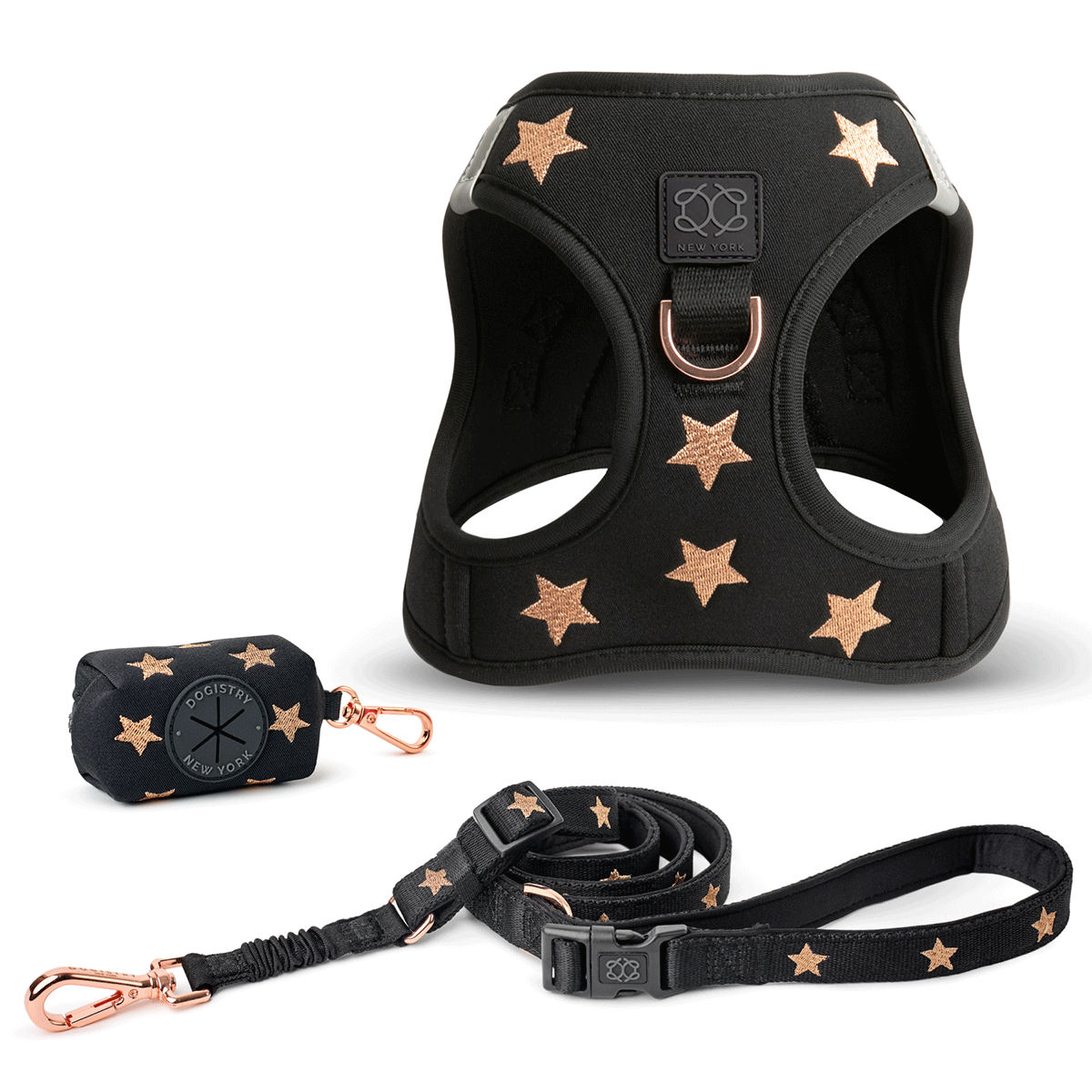
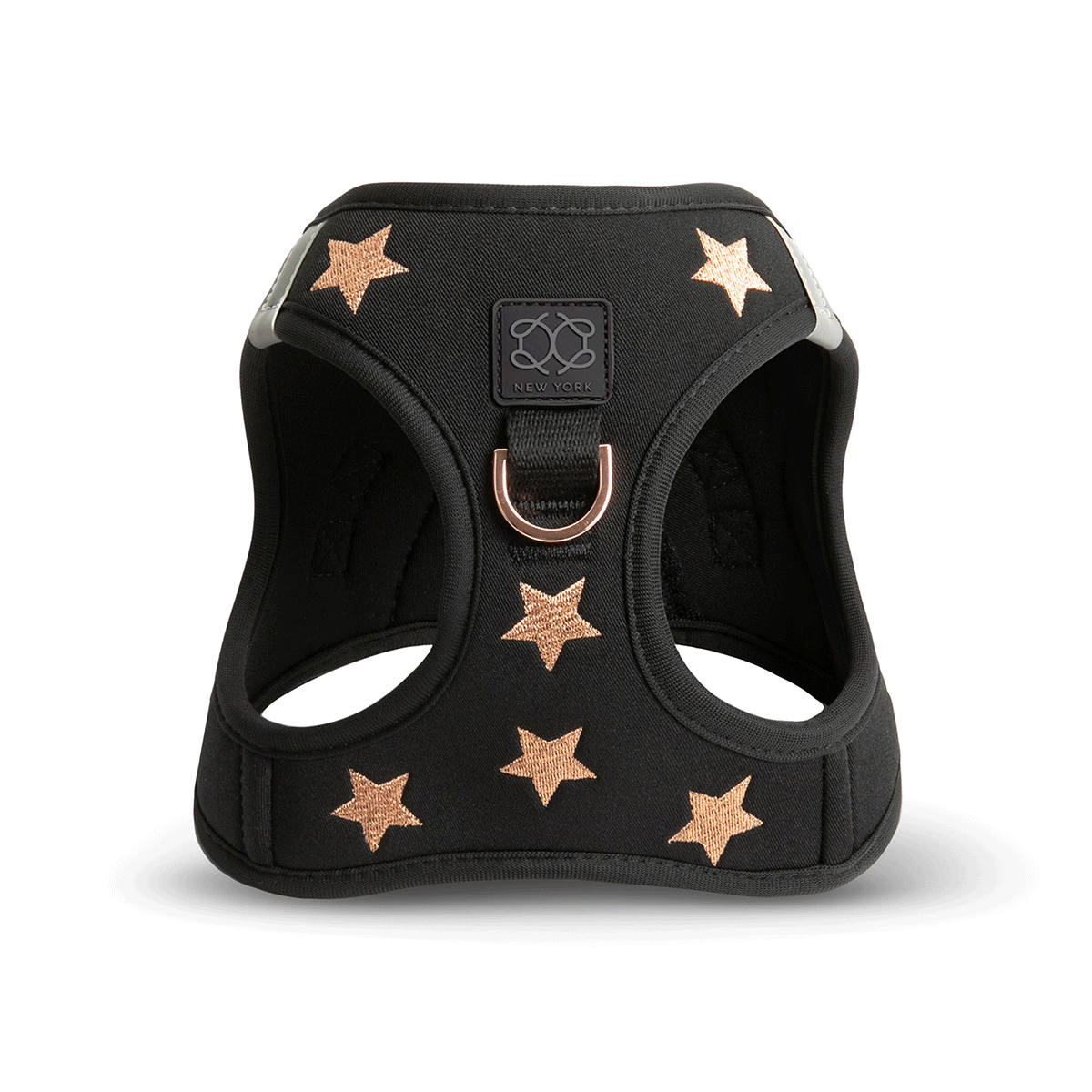
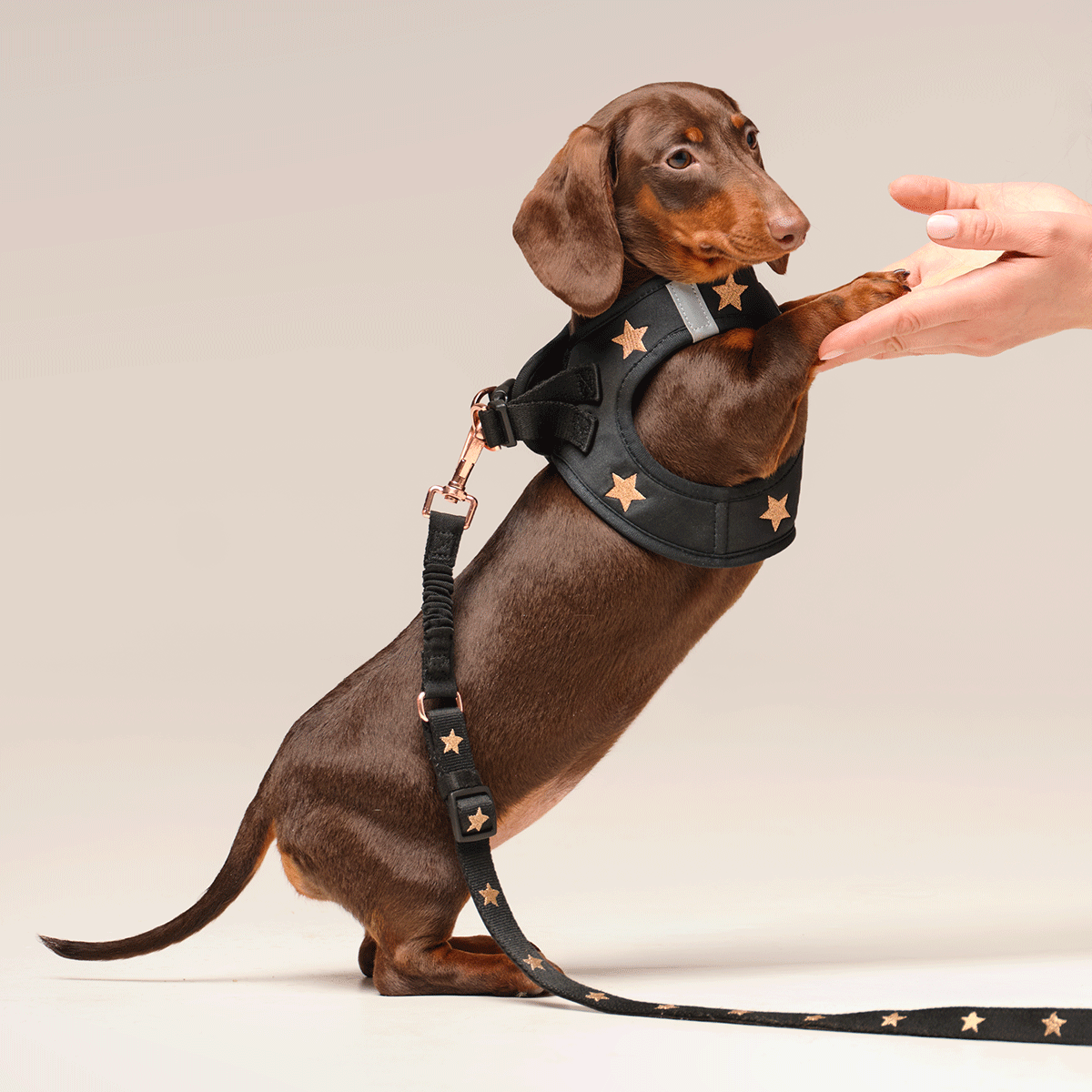
Step-In Harness (Dogistry’s Best Seller)
Perfect for:
-
Small to medium dogs
-
Puppy parents
-
Dogs who dislike things going over their head
-
Urban walkers needing quick gearing up
No-Pull Harness
Ideal for:
-
Dogs that tend to pull
-
High-energy pups
-
Busy city streets with distractions
Comfort Harness
Best for:
-
Seniors
-
Dogs with sensitive skin
-
Long walks or all-day wear
5. Dogistry’s Sizing Tips (Based on Real Customer Fit)
You may want to include this as an internal tip:
-
If your dog is between sizes, choose the larger size
-
Wide-chested breeds (French Bulldogs, Pitbulls) usually size up
-
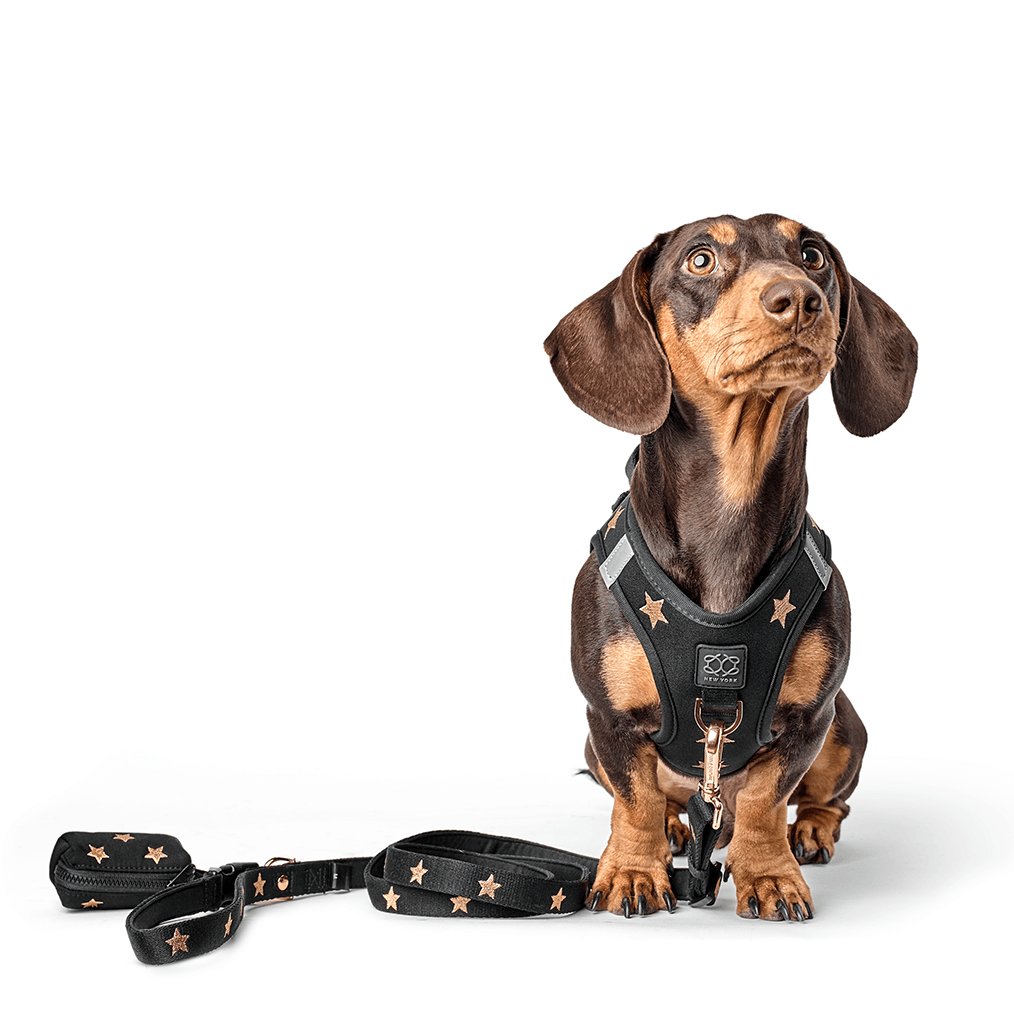
Toy breeds often need XS or S
-
Puppies grow fast — remeasure every 2–3 months
Each Dogistry product page includes a detailed size chart to make choosing easy.

Final Thoughts
Choosing the right harness size is the simplest way to improve comfort, reduce pulling, and make every walk safer. With the correct measurements and a well-designed harness, your dog will feel better — and walk better.
👉 Explore Dogistry’s Harness Collection to find a stylish, secure fit your pup will love.