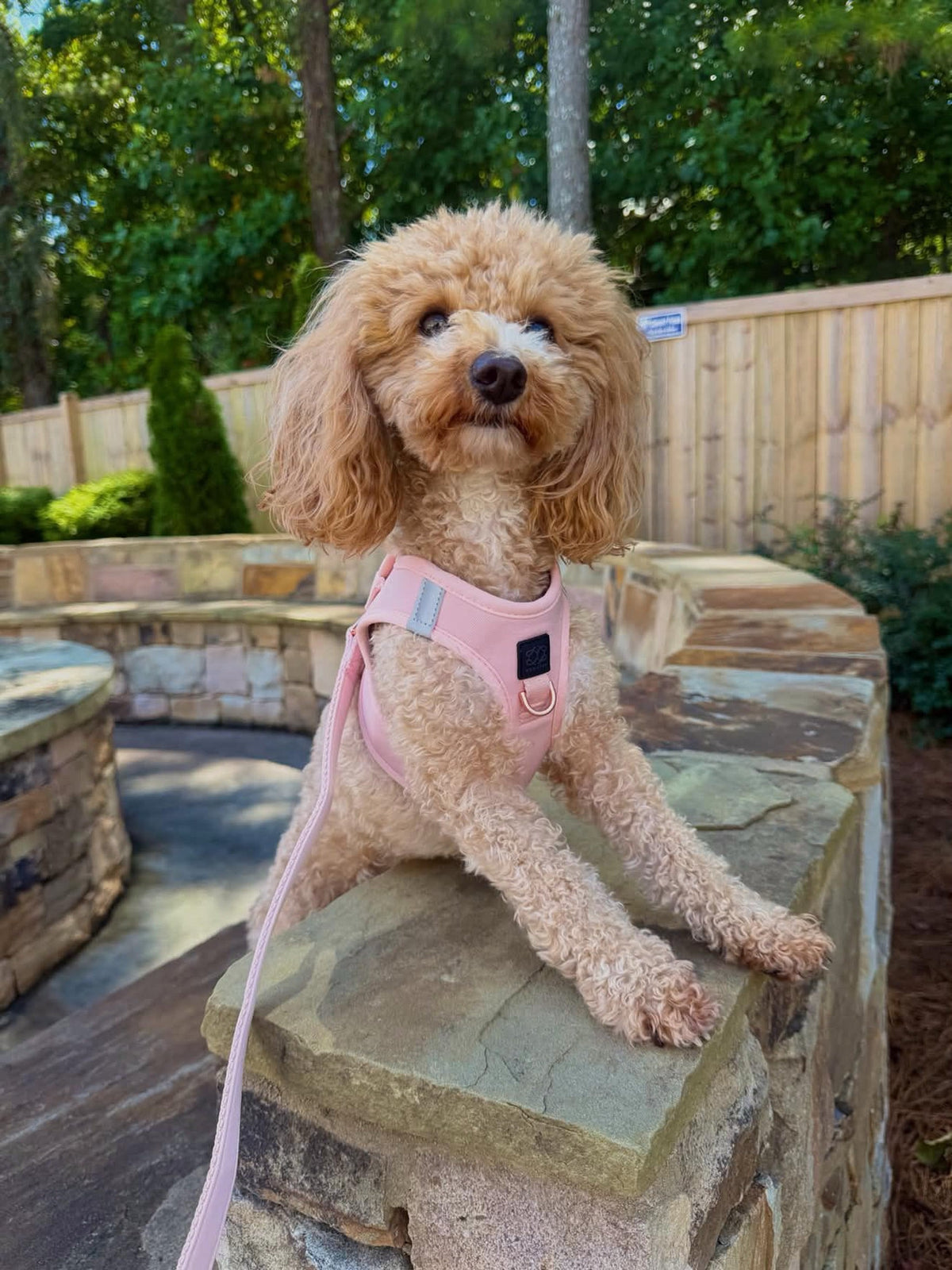
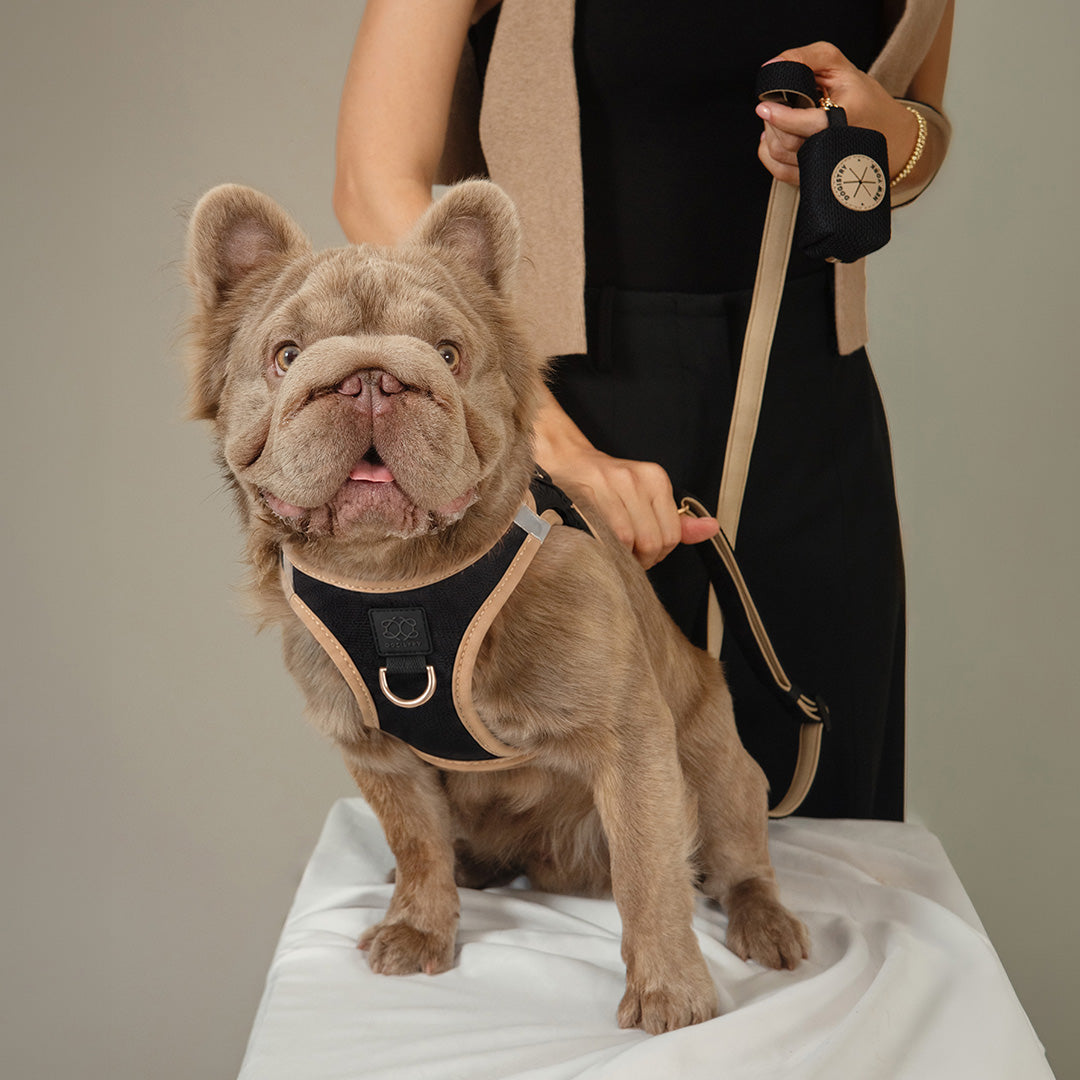
A daily walk is one of the most familiar parts of life with a dog. It gives dogs an opportunity to explore their surroundings, exercise, experience new smells, and spend quality time with their owners. However, a pleasant walk begins before the front door opens. Choosing suitable walking equipment can make preparation easier and help create a more comfortable experience.
A dog harness is an important part of that preparation. It provides a place to attach a leash and can distribute contact across the dog's body rather than relying entirely on the neck. Because harnesses are used repeatedly, owners should consider more than appearance when choosing one. Fit, construction, adjustability, comfort, and the dog's individual walking habits all deserve attention.
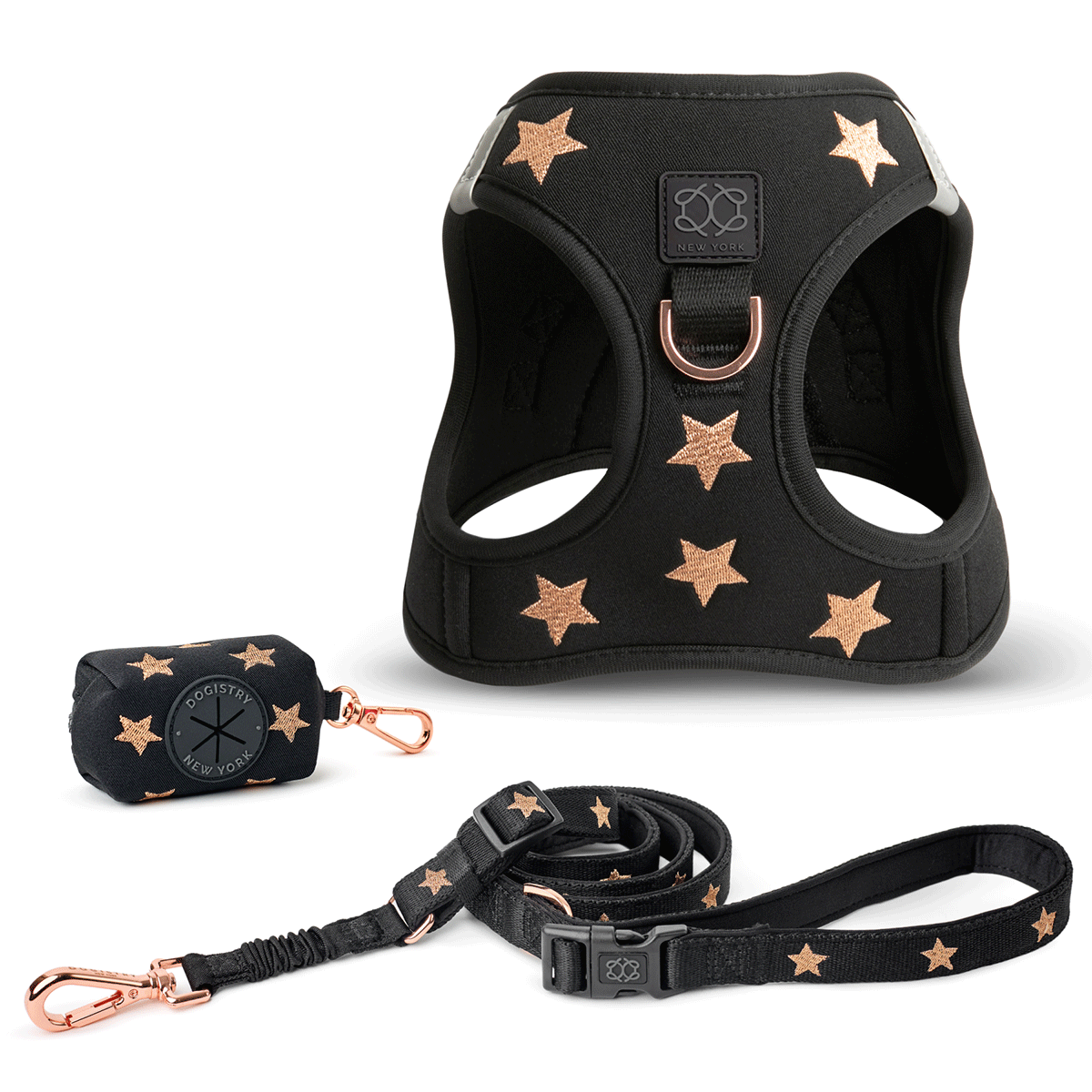
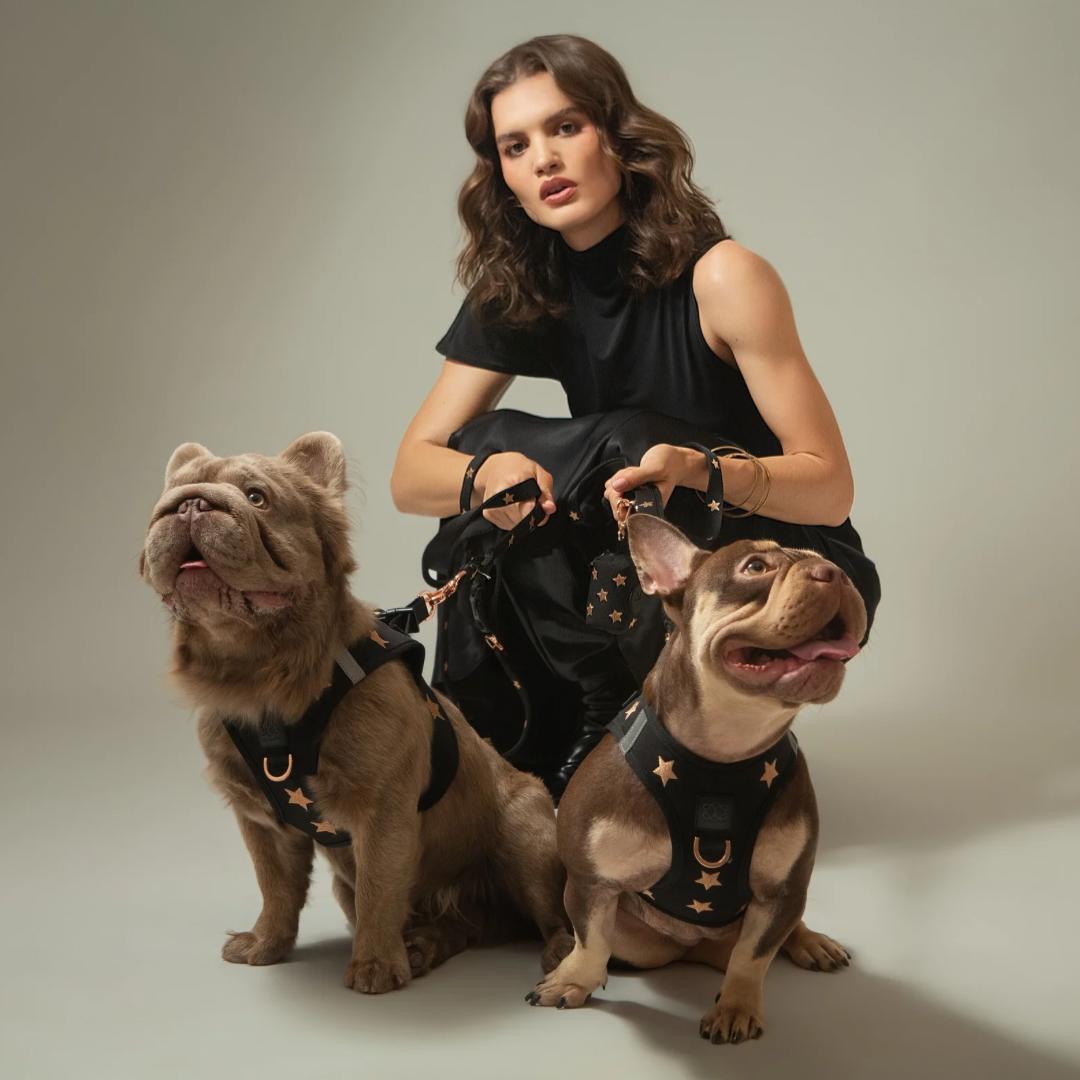
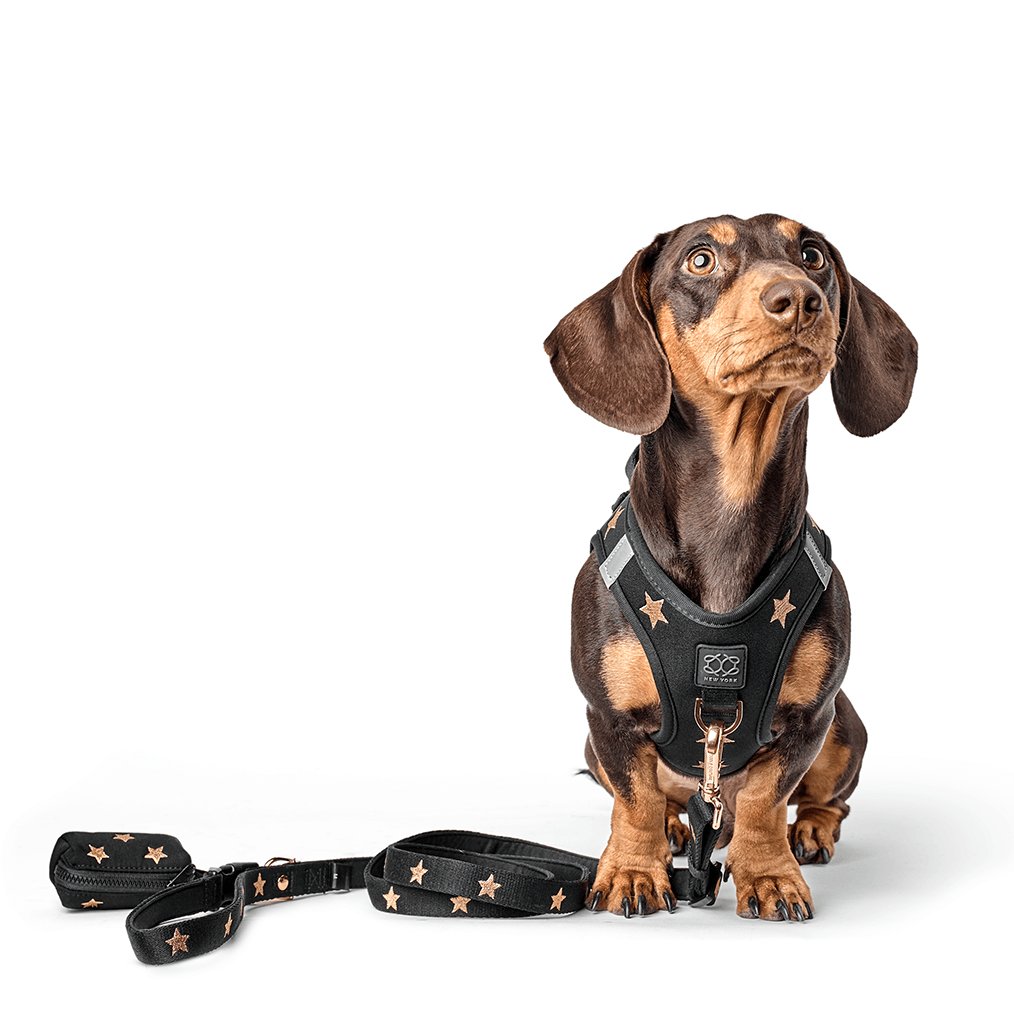
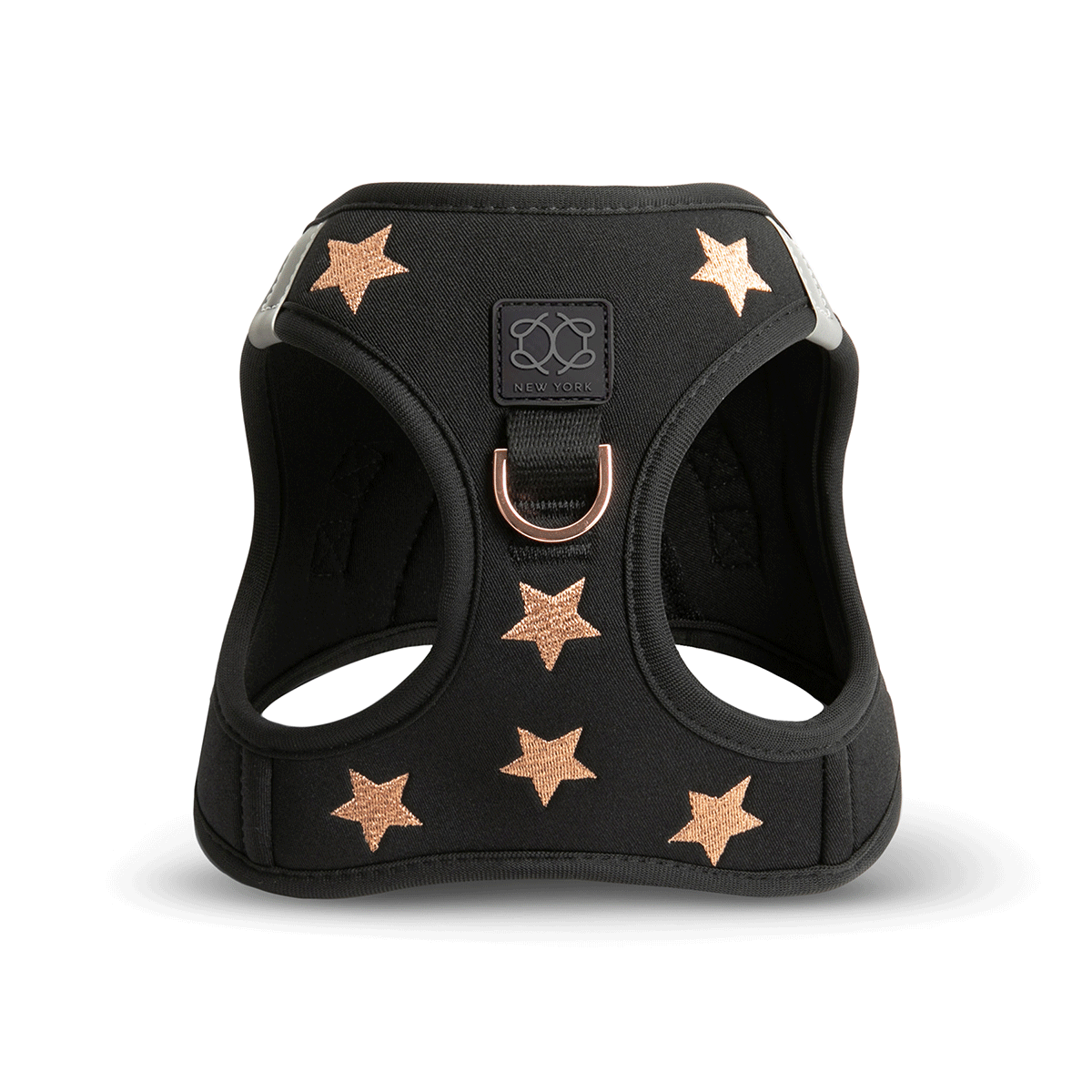
DOGISTRY offers harness designs that combine practical details with distinctive styling. Its collection includes options such as the SoHo Step-In Harness and the NoMad Adjustable Harness, each offering a different approach to everyday use. Understanding the features of these designs can help owners decide which option is appropriate for their dogs.

Why Choosing the Right Dog Harness Matters
A harness is not simply an accessory that makes a dog look ready for a walk. It is part of the equipment that connects the dog to the person holding the leash. A suitable harness should remain secure, allow natural movement, and feel comfortable during ordinary activities.
Dogs come in different shapes and sizes. Some have broad chests, others have narrow bodies, and some have proportions that make standard sizing more challenging. Even dogs of the same breed can have different measurements, which is why selecting a harness based only on breed or weight may lead to an unsuitable fit.
The right harness should be selected according to the dog's actual measurements and the product's sizing guidance. Owners should also consider how their dogs react to different styles of equipment. Some dogs are comfortable with a harness that goes over the head, while others may prefer a step-in design.
A properly selected harness can support a consistent walking routine. It should not rub excessively, twist around the body, or restrict the dog's ability to move naturally. Regular fit checks are just as important as choosing the correct size in the first place.
Understanding the DOGISTRY Harness Collection
DOGISTRY's harness collection includes designs intended to meet different preferences and walking needs. Two options worth understanding are the SoHo Step-In Harness and the NoMad Adjustable Harness.
Although both are designed for dog walking, their construction and features differ. Comparing them according to your dog's measurements, comfort, and routine can make the buying decision easier.
The SoHo Step-In Harness
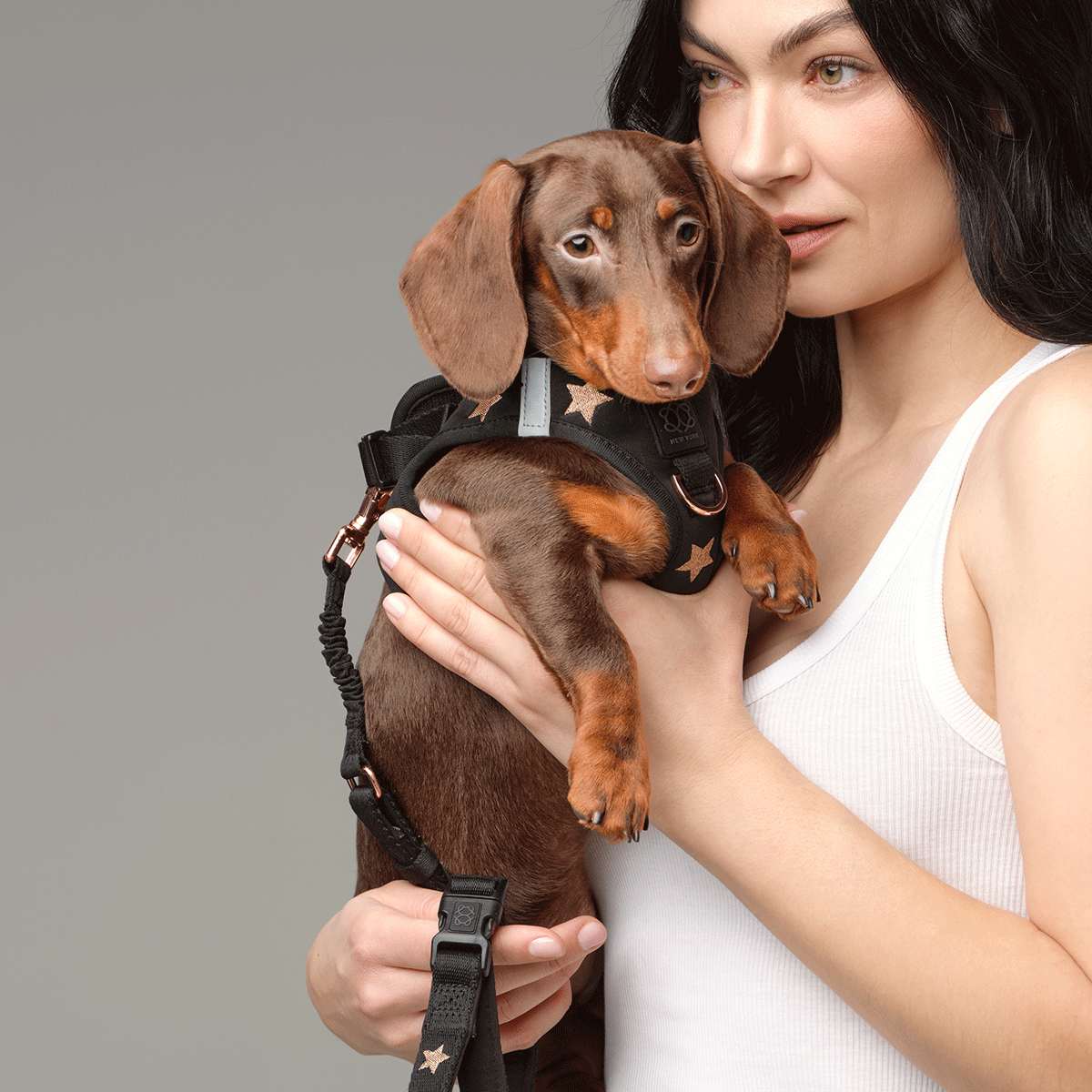
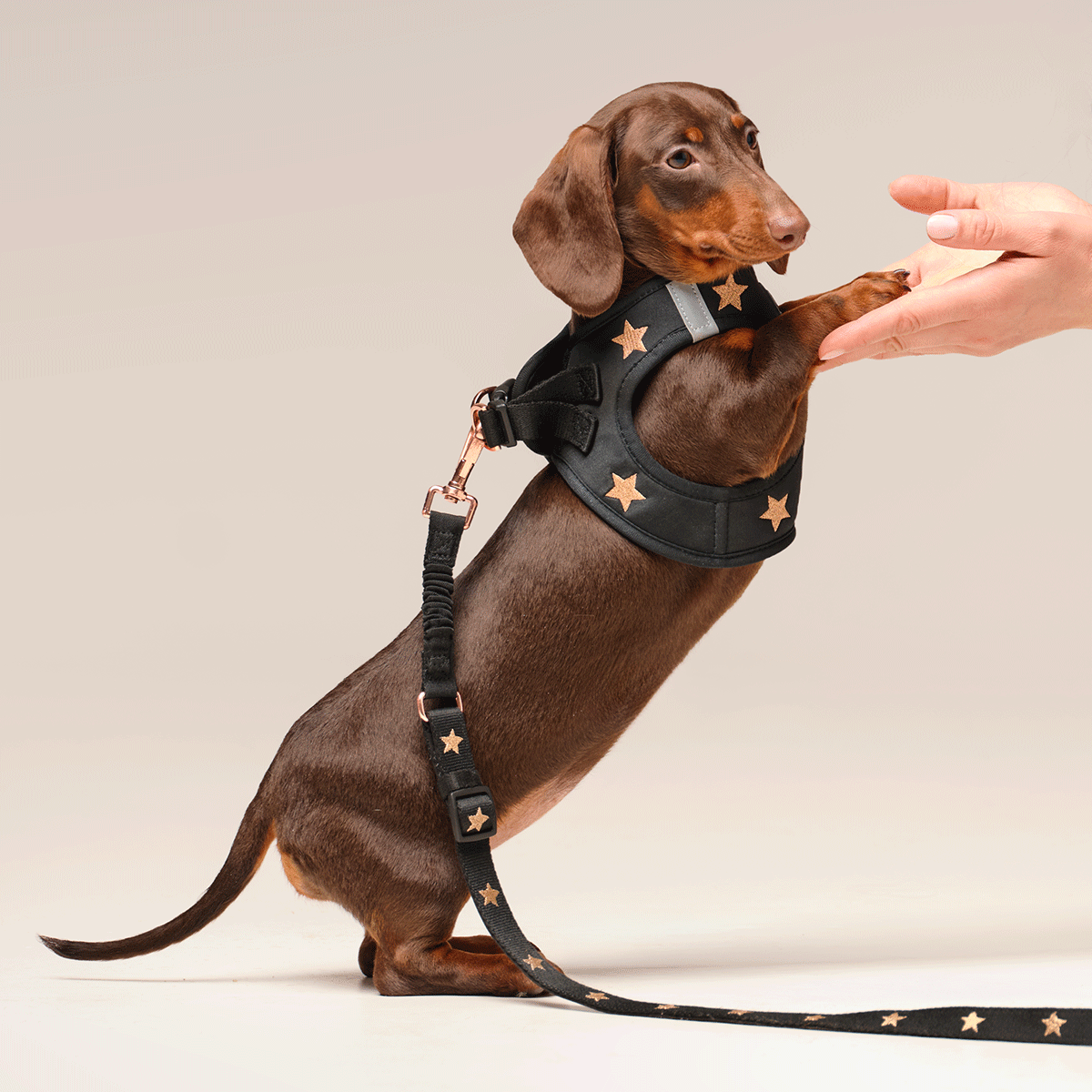
The SoHo Step-In Harness is designed around a step-in process. Instead of requiring the dog to put its head through a traditional overhead opening, the dog places its paws into the designated openings before the harness is secured.
This design may be helpful for dogs that dislike having equipment pulled over their heads. It can also make the preparation process feel more straightforward for owners who prefer a step-by-step fitting routine.
The SoHo includes adjustment and fastening features intended to help secure the harness. DOGISTRY also describes front and rear leash attachment points. The front D-ring can be used as an option for redirecting forward movement during training, while the rear attachment points provide a more traditional connection for regular walks.
The attachment point should be selected according to the dog's behavior and the owner's training approach. A front attachment can be one useful tool during loose-leash training, but it does not automatically teach a dog to stop pulling. Consistent practice and positive reinforcement remain important.
The NoMad Adjustable Harness
The NoMad Adjustable Harness offers a different approach through its adjustable strap construction. This design allows owners to customize the fit according to the dog's body proportions.
Adjustability is particularly useful when a dog's chest and body shape do not correspond neatly to a standard size. It gives owners an opportunity to make fitting adjustments while following the product's sizing guidance.
DOGISTRY describes the NoMad with features that include reflective trim, dual leash attachment points, and a padded grab handle. The handle can provide an additional point for brief assistance when guiding a dog through a doorway or navigating a challenging area.
The NoMad's adjustable design makes careful fitting essential. Owners should check the strap placement and make sure the harness remains secure without becoming too tight. The dog should be able to walk, sit, and turn comfortably.
How to Measure Your Dog Before Buying a Harness
One of the most important steps in choosing a harness is measuring your dog correctly. A size label alone cannot guarantee a suitable fit because sizing can vary between designs.
Begin by reviewing the sizing instructions on the DOGISTRY product page. Use a flexible measuring tape and follow the recommended measurement points. Keep the tape comfortably snug without compressing the dog's body.
Measure the Chest
The chest measurement is important because the harness needs to sit securely around the dog's body. Follow the product's instructions for positioning the measuring tape, keeping it level and avoiding unnecessary pressure.
Write down the measurement rather than relying on memory. If your dog moves frequently during measuring, repeat the process to make sure the result is consistent.
Measure Other Areas When Required
Some harness designs may require additional measurements. Follow the instructions for the exact model you are considering. Do not assume that every DOGISTRY harness uses identical measurement points.
Compare the Results With the Size Chart
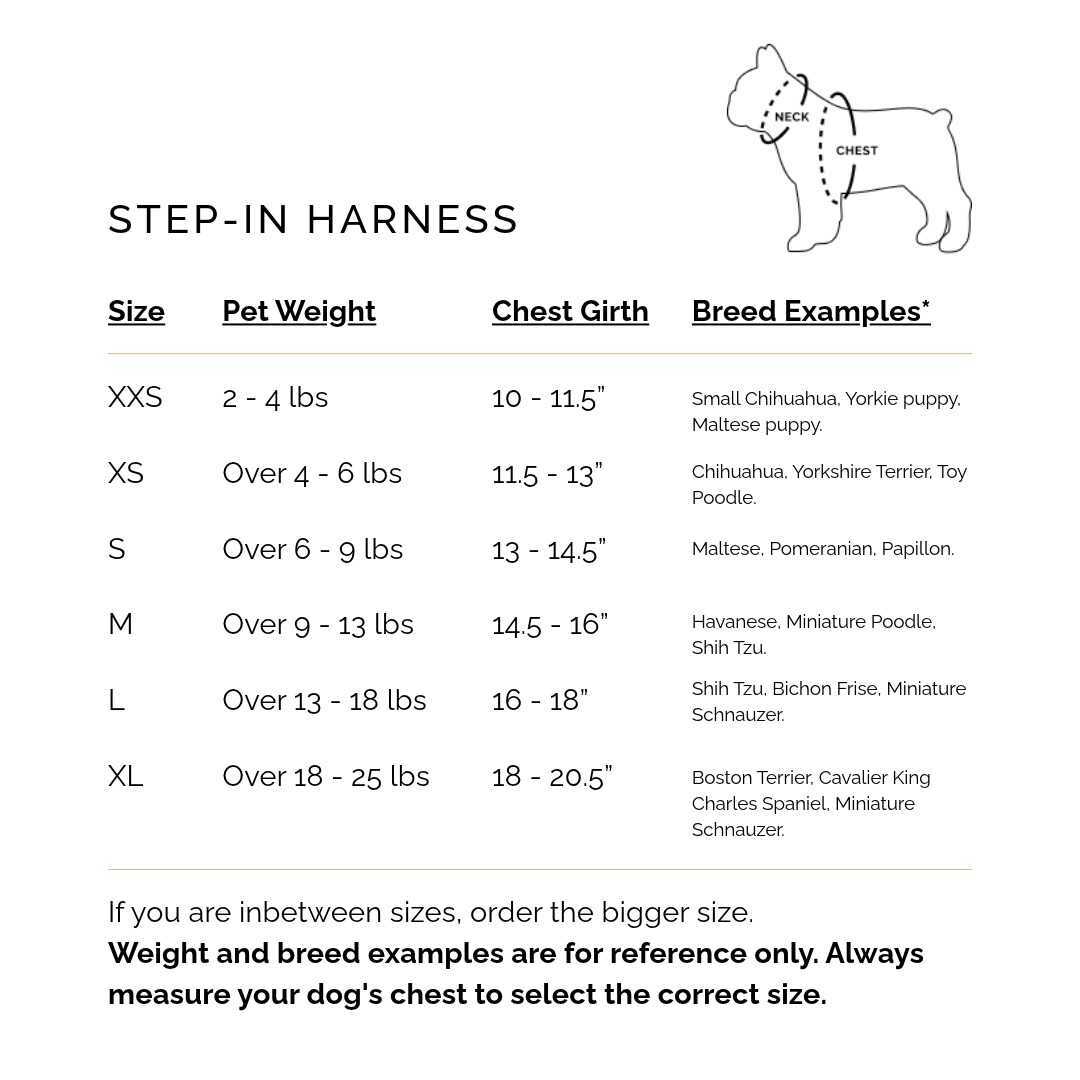
Once you have the measurements, compare them with the current size chart. Avoid selecting a size based only on your dog's breed or estimated weight.
If your dog falls between sizes, consult the product guidance or contact DOGISTRY for assistance. A good fit should be secure without restricting movement or causing discomfort.
What Makes a Harness Comfortable?
Comfort depends on several details working together. A soft material may feel pleasant, but the harness must also have an appropriate shape, suitable adjustment points, and a design that stays in position.
A harness that is too tight may rub against the dog's skin or restrict movement. One that is too loose may shift around the body or allow the dog to slip out. Both situations can create problems during walks.
After putting the harness on, observe your dog while standing, walking, sitting, and turning. Check whether the straps remain in their intended positions. Look for signs of rubbing, bunching, or unusual movement.
Dogs cannot explain exactly what feels uncomfortable, so owners should pay attention to behavior. Repeated scratching, attempts to remove the harness, reluctance to walk, or visible irritation may indicate that something needs attention.
Choosing the Right Harness for Different Walking Routines
The best harness depends partly on how and where you usually walk your dog. A quiet neighborhood route may present different challenges from a crowded sidewalk or a busy park.
Everyday Neighborhood Walks
For regular walks, choose a harness that is comfortable enough for repeated use and straightforward to put on correctly. A secure fit and reliable leash attachment are important.
Check the harness before leaving home, particularly if your dog wears it frequently. Make sure the fastening is secure and that the straps have not shifted since the previous outing.
Training Walks
During training, leash attachment placement may influence how the handler guides the dog. The SoHo's front attachment option can be used as part of a training approach intended to redirect forward movement.
However, equipment should not replace training. Reward calm walking, practice changing direction, and gradually introduce distractions. If your dog has significant leash reactivity or pulling behavior, consider working with a qualified trainer.
Park Visits
Parks can include other dogs, unfamiliar people, bicycles, and unexpected distractions. Check the harness fit before leaving and inspect the attachment hardware regularly.
Keep your dog connected to the leash wherever required. Even a dog that behaves calmly at home may react differently in an unfamiliar environment.
Travel and Errands
A harness can help guide a dog through busy entrances and public areas. However, a regular walking harness should not automatically be treated as a vehicle restraint. Use a suitable travel restraint designed for that purpose.
Helping Your Dog Become Comfortable With a New Harness
Some dogs accept new equipment quickly, while others need time to become familiar with it. A calm introduction can help prevent the harness from becoming associated with stress.
Start by placing the harness near your dog and allowing them to investigate it. Reward relaxed curiosity with praise or a small treat. Avoid rushing to put it on if your dog seems uncertain.
For a step-in harness, encourage your dog to approach the openings and reward small steps toward placing their paws inside. For an adjustable design, allow your dog to become familiar with the straps and opening before fastening it.
Keep the first sessions short. Put the harness on briefly, reward calm behavior, and remove it if your dog becomes uncomfortable. Gradually increase the time as your dog becomes more relaxed.
Before the first outdoor walk, allow your dog to move around indoors while wearing the harness. Observe how it sits when your dog changes position. Make adjustments before introducing the additional distractions of the outdoors.

Common Harness Buying Mistakes
Choosing Based Only on Appearance
A distinctive pattern or color may be appealing, but appearance should not be the first consideration. Begin with measurements, product construction, and the dog's comfort.
Assuming All Harnesses Fit the Same Way
Different harness designs can have different proportions and adjustment systems. A size that works in one model may not be suitable in another. Always consult the specific product's size chart.
Skipping the Fit Check
Even a correctly selected size may need adjustment. Check the straps and fastening before the first walk, and reassess the fit regularly.
Using a Harness With Damaged Hardware
Loose stitching, damaged buckles, or worn attachment points can affect the reliability of walking equipment. Stop using a harness if important components appear damaged.
Expecting Equipment to Replace Training
A harness can support a walking routine, but it does not automatically teach loose-leash behavior. Training, supervision, and consistency remain essential.
How to Care for Your DOGISTRY Harness
A harness is exposed to repeated handling and outdoor conditions. Dirt, moisture, and friction can gradually affect its appearance and condition.
Inspect the straps, stitching, buckles, and leash attachment points regularly. Look for fraying, loose threads, cracks, or unusual wear. If the harness no longer appears secure, replace it rather than continuing to use it.
DOGISTRY's general care guidance explains that many of its products can be washed gently, while hand washing in cold water and air drying are gentler options. Always check the care instructions for the specific harness before cleaning it.
Allow the harness to dry fully before storing it. Keep it in a clean, dry place where the straps will not become tangled or crushed. Regular care helps owners notice changes before they become more serious.
Frequently Asked Questions About DOGISTRY Harnesses
How do I choose the correct DOGISTRY harness size?
Measure your dog according to the instructions on the specific product page and compare the results with the current size chart. Do not rely on breed or weight alone.
What is the difference between the SoHo and NoMad harnesses?
The SoHo is a step-in design, while the NoMad uses adjustable straps to help customize the fit. They also have different construction details and should be compared using their individual product descriptions.
Does a harness stop a dog from pulling?
A harness does not automatically stop pulling. Certain attachment options may help with redirection during training, but consistent practice and reinforcement are still necessary.
How often should I check the fit?
Check the fit before walks and reassess it regularly. Pay particular attention if your dog is growing or has experienced changes in weight.
Can I wash my DOGISTRY harness?
Follow the care instructions for the specific product. DOGISTRY's general guidance describes gentle washing and air drying as options, but individual product instructions should take priority.
Find a Harness That Fits Your Dog's Everyday Life
Choosing a harness is an opportunity to make everyday walks more comfortable and organized. By considering measurements, construction, adjustment features, and walking habits, owners can make a more informed decision.
Explore the DOGISTRY harness collection and compare the SoHo Step-In Harness and NoMad Adjustable Harness. Choose the option that suits your dog's measurements and routine, and make proper fitting part of every walk.