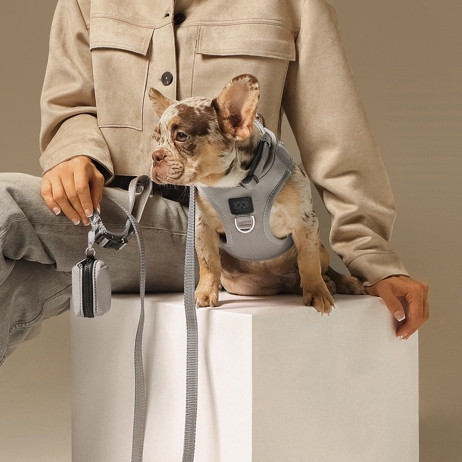
Why Leash Pulling Is One of the Most Common Walking Problems
Leash pulling is not a sign of a “bad” dog. Most dogs pull because they are excited, curious, or simply moving at a faster natural pace than humans. When dogs pull and meet resistance, they often pull harder, turning walks into constant tension. Over time, this pattern can create frustration for both the dog and the owner.
Many traditional walking tools unintentionally reinforce pulling. Collars place pressure on the neck, which can cause discomfort or stress. Back-clip harnesses can allow dogs to lean into the pull, making it feel easier for them to move forward with force.
Dogistry no-pull harnesses are designed to interrupt this cycle by changing how movement and pressure work during a walk.

What a No-Pull Harness Is Designed to Do
A true no-pull harness does not rely on pain, tightening, or restriction. Instead, it gently redirects the dog’s movement so pulling becomes ineffective and unnecessary.
Dogistry no-pull harnesses focus on:
-
Redirecting forward momentum
-
Encouraging attention back toward the handler
-
Distributing pressure across the chest
-
Maintaining comfort and freedom of movement
This design helps dogs learn calmer walking habits without fear or force.
How Front-Clip Design Changes Walking Behavior
The most important feature of a no-pull harness is the front leash attachment. When a dog pulls while attached at the front of the chest, their body naturally turns sideways instead of moving straight ahead. This makes pulling less rewarding and encourages the dog to slow down.
With consistent use:
-
Dogs learn that pulling no longer gets them where they want to go
-
Leash tension decreases naturally
-
Walks become smoother and more controlled
-
Training becomes easier and less stressful
Dogistry harnesses allow the leash to be clipped at the front for training support or at the back for relaxed walks, giving owners flexibility as their dog improves.
Why Dogistry No-Pull Harnesses Feel Different from Others
Not all no-pull harnesses are created equal. Some rely on harsh pressure points or restrictive straps that can limit movement or cause discomfort. Dogistry takes a different approach by focusing on balance and structure.
Key design elements include:
-
A stable chest panel that stays in place
-
Even pressure distribution rather than sharp points
-
Secure buckles and adjustable components
-
Step-in construction that reduces handling stress
This combination allows dogs to move naturally while still receiving gentle guidance during pulling moments.
The SoHo Step-In No-Pull Harness for Everyday Walking
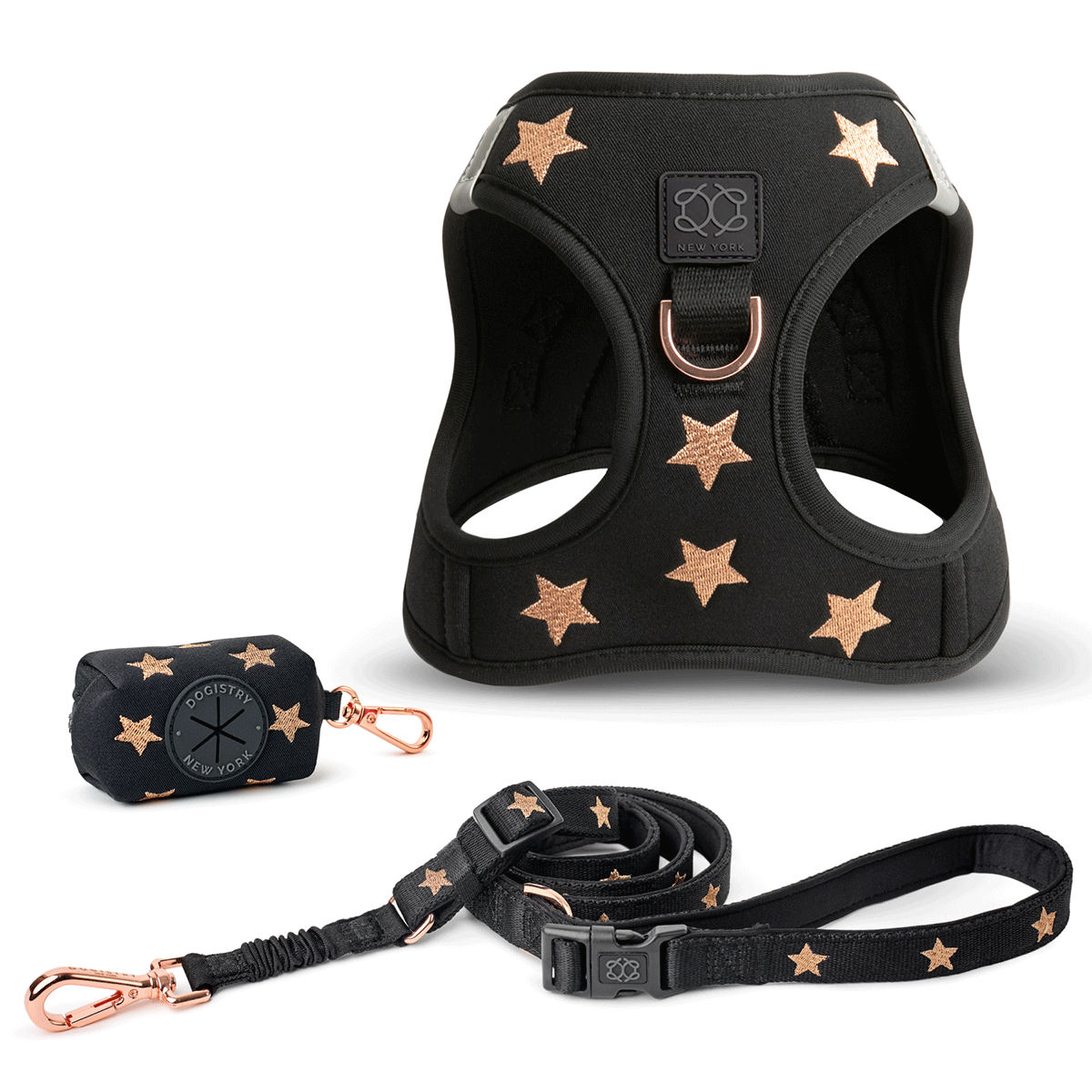
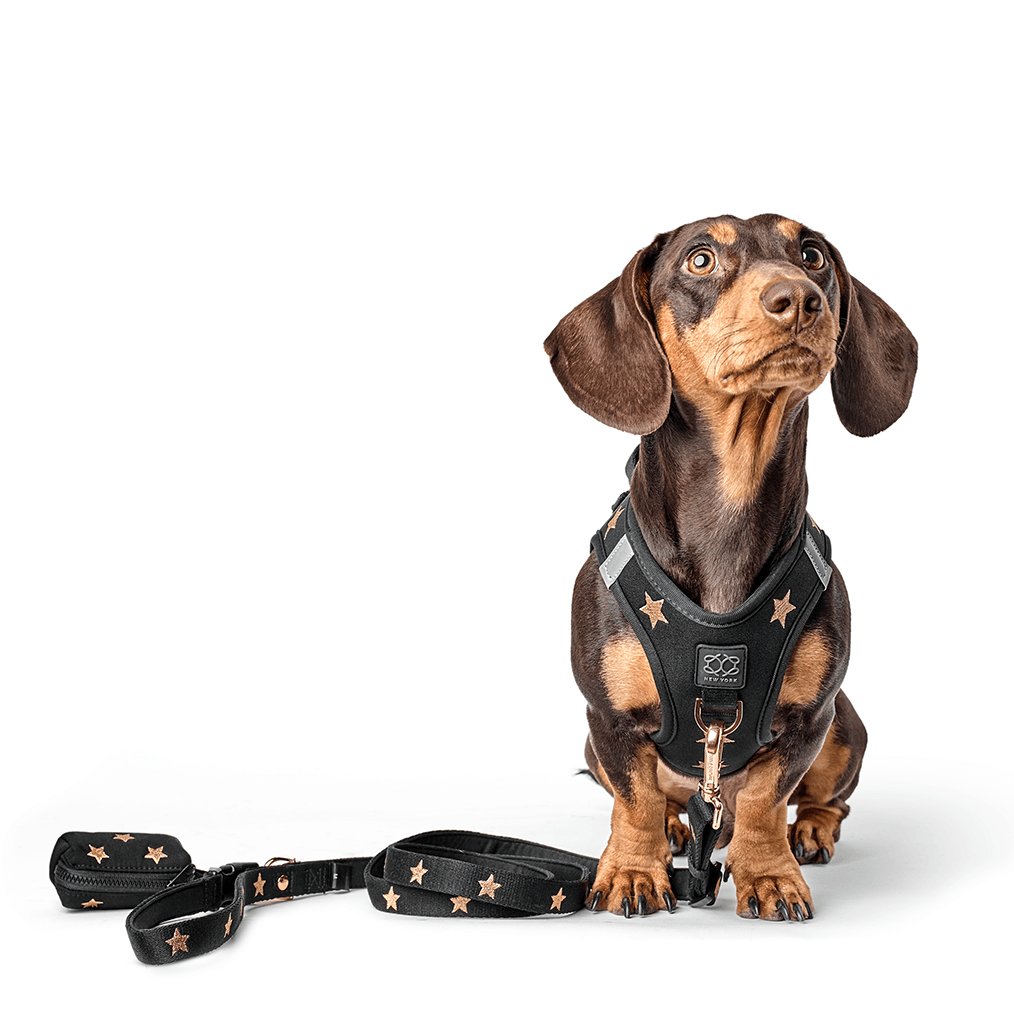
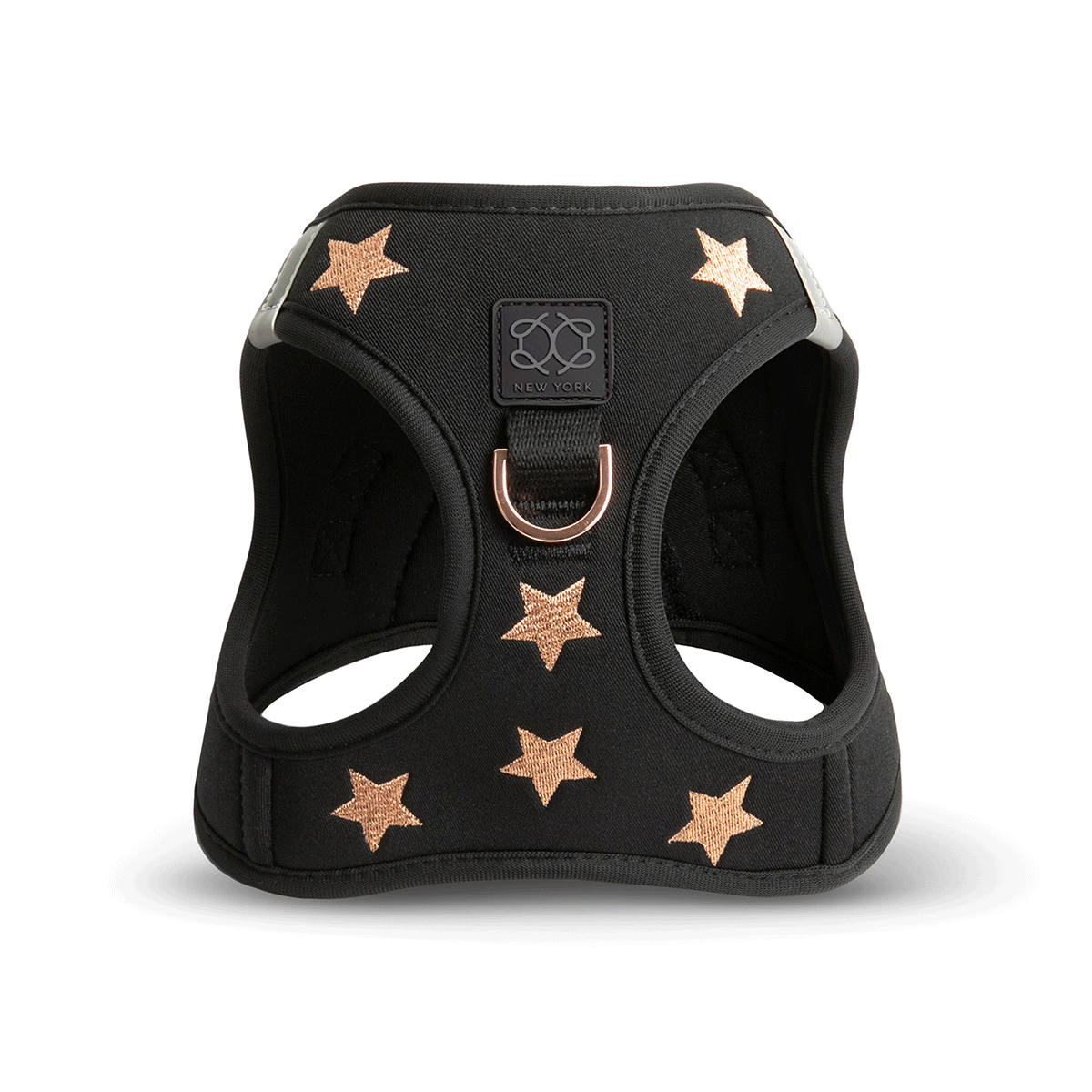
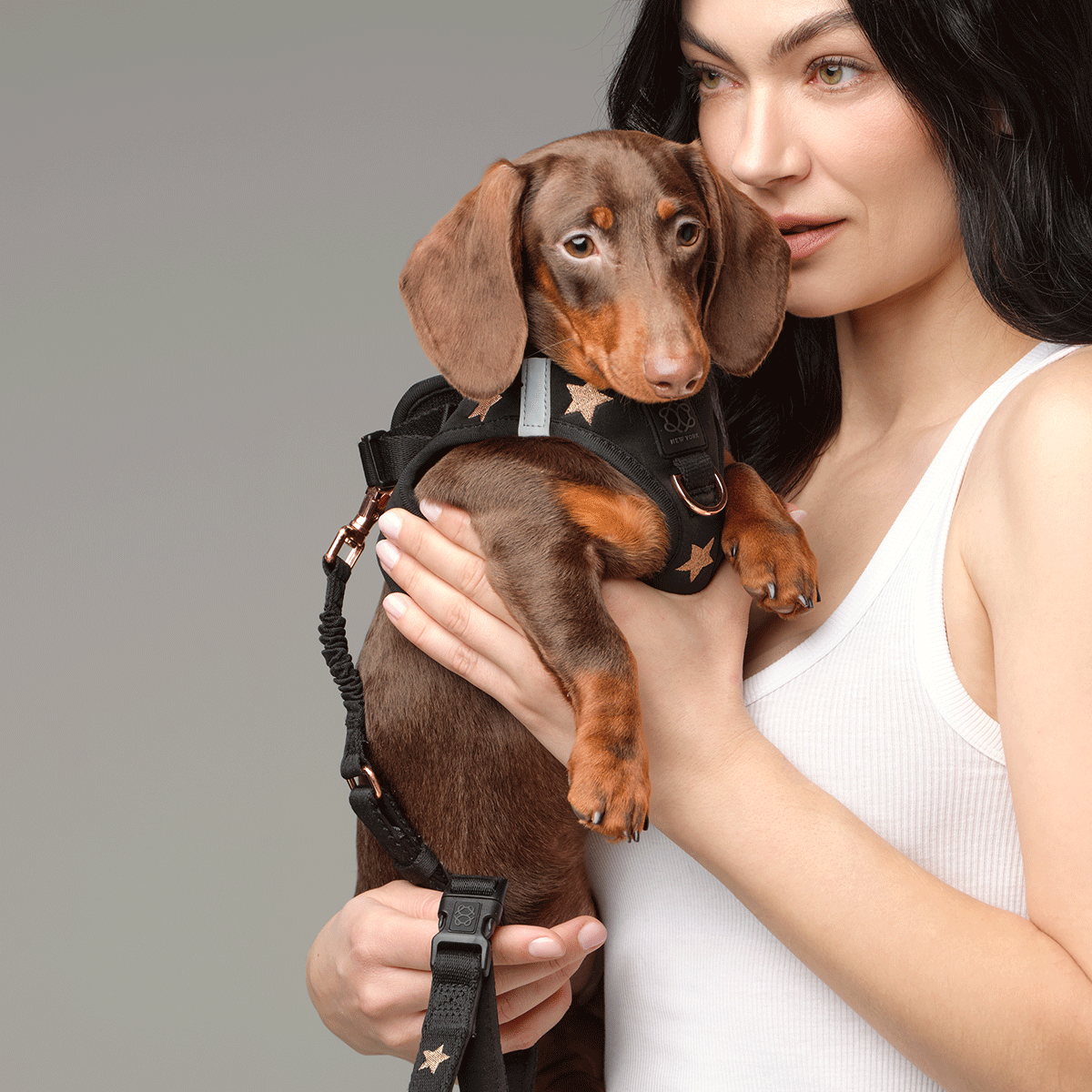
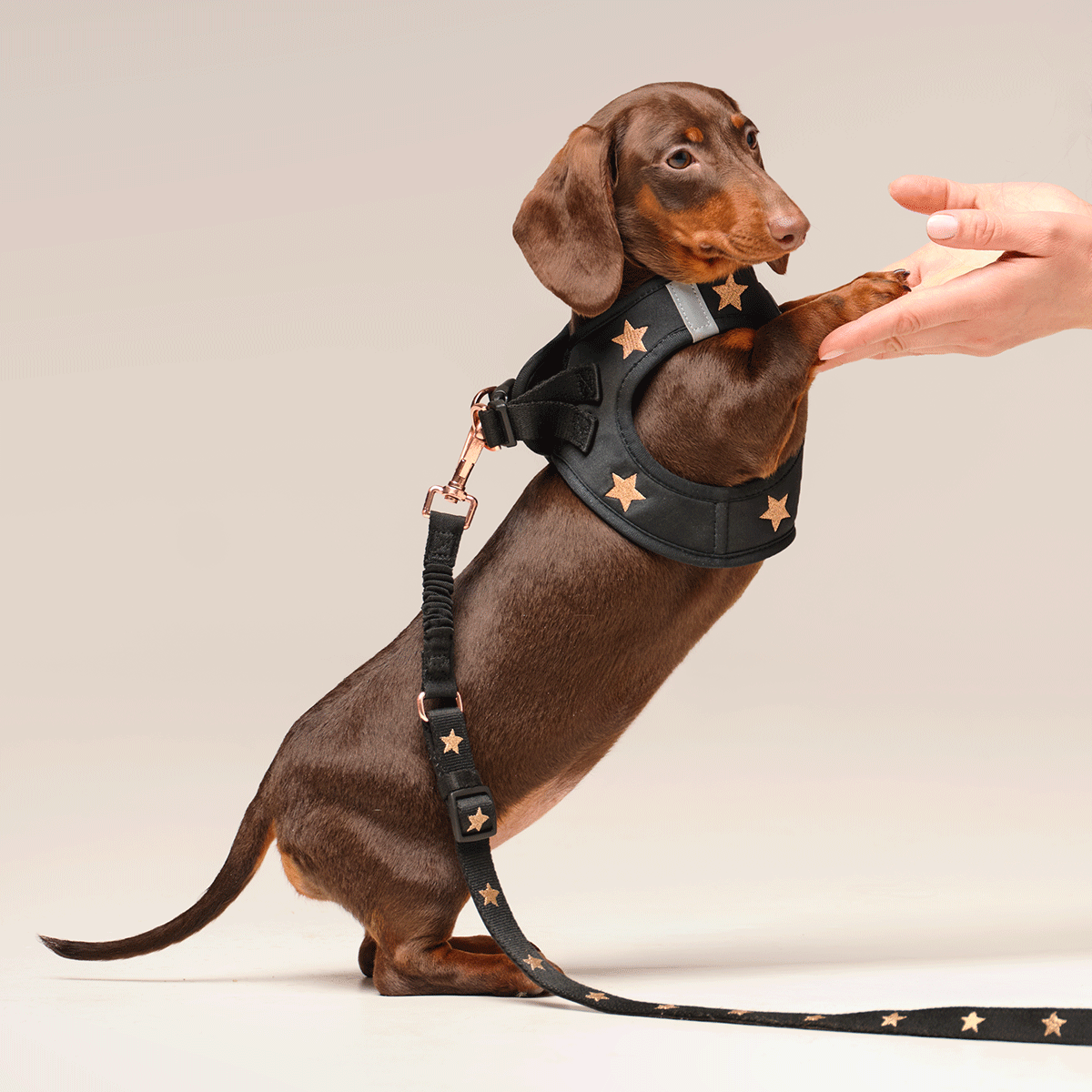
The SoHo Step-In No-Pull Harness is one of Dogistry’s most popular options for dogs who pull on the leash. Its design makes it easy to use while offering consistent support.
This harness is ideal for:
-
Dogs learning leash manners
-
Daily neighborhood walks
-
Dogs transitioning from collars
-
Owners who want ease and reliability
The step-in design simplifies the routine, while the front clip provides effective pull redirection without discomfort.
Adjustable No-Pull Options for Long-Term Use
Some dogs need flexibility in fit due to growth, weight changes, or coat thickness. The NoMad Adjustable Luxe Harness offers no-pull support while allowing fine adjustments for comfort and security.
Adjustable features help:
-
Maintain a proper fit over time
-
Reduce pressure points
-
Improve overall stability
-
Extend the life of the harness
This makes adjustable no-pull harnesses a practical choice for puppies and long-term use.
Training Benefits Beyond Pull Reduction
Using a no-pull harness isn’t just about stopping pulling — it’s about teaching better walking habits. Dogistry harnesses support positive training by encouraging dogs to focus and respond.
Over time, dogs often:
-
Check in more frequently with their handler
-
Walk closer to the handler’s side
-
React less strongly to distractions
-
Show increased confidence on walks
The harness becomes a communication tool rather than a correction device.
Comfort Matters During Training
Training only works when dogs feel comfortable and safe. A harness that rubs, shifts, or restricts movement can slow progress and create resistance. Dogistry harnesses are designed to stay in place without digging into the body.
Comfort features include:
-
Soft yet structured materials
-
Smooth edges to reduce friction
-
Secure fit that doesn’t slide
-
Balanced weight distribution
This allows dogs to focus on learning rather than discomfort.
No-Pull Harnesses for Urban and Busy Environments
Busy streets, crowds, and unexpected distractions can trigger pulling behavior. Dogistry no-pull harnesses offer better control in these environments without requiring constant force.
Urban walking benefits include:
-
Improved response during sudden stops
-
Better control near traffic
-
Reduced lunging toward distractions
-
Increased confidence for both dog and owner
These features make Dogistry harnesses well-suited for city lifestyles.
When to Use Front Clip vs Back Clip
Dogistry harnesses offer versatility by allowing leash attachment at different points.
Front clip is best for:
-
Training sessions
-
Dogs who pull
-
Busy or distracting environments
Back clip is best for:
-
Relaxed walks
-
Dogs with good leash manners
-
Short, low-distraction outings
This flexibility allows the harness to adapt as your dog’s behavior improves.
Transitioning a Dog to a No-Pull Harness
Some dogs may need a short adjustment period when switching to a no-pull harness. This is normal and usually temporary.
Helpful tips include:
-
Letting the dog wear the harness indoors first
-
Practicing in quiet areas
-
Rewarding calm walking
-
Keeping initial walks short
Most dogs adapt quickly once they understand the new walking dynamic.
Long-Term Benefits of No-Pull Walking
Consistent use of a no-pull harness can lead to lasting improvements in behavior and comfort.
Long-term benefits include:
-
Reduced strain on the neck and shoulders
-
Improved leash manners
-
More enjoyable daily walks
-
Stronger communication between dog and owner
Dogistry harnesses are designed to support these outcomes over time.
Why Dogistry No-Pull Harnesses Are a Smart Choice
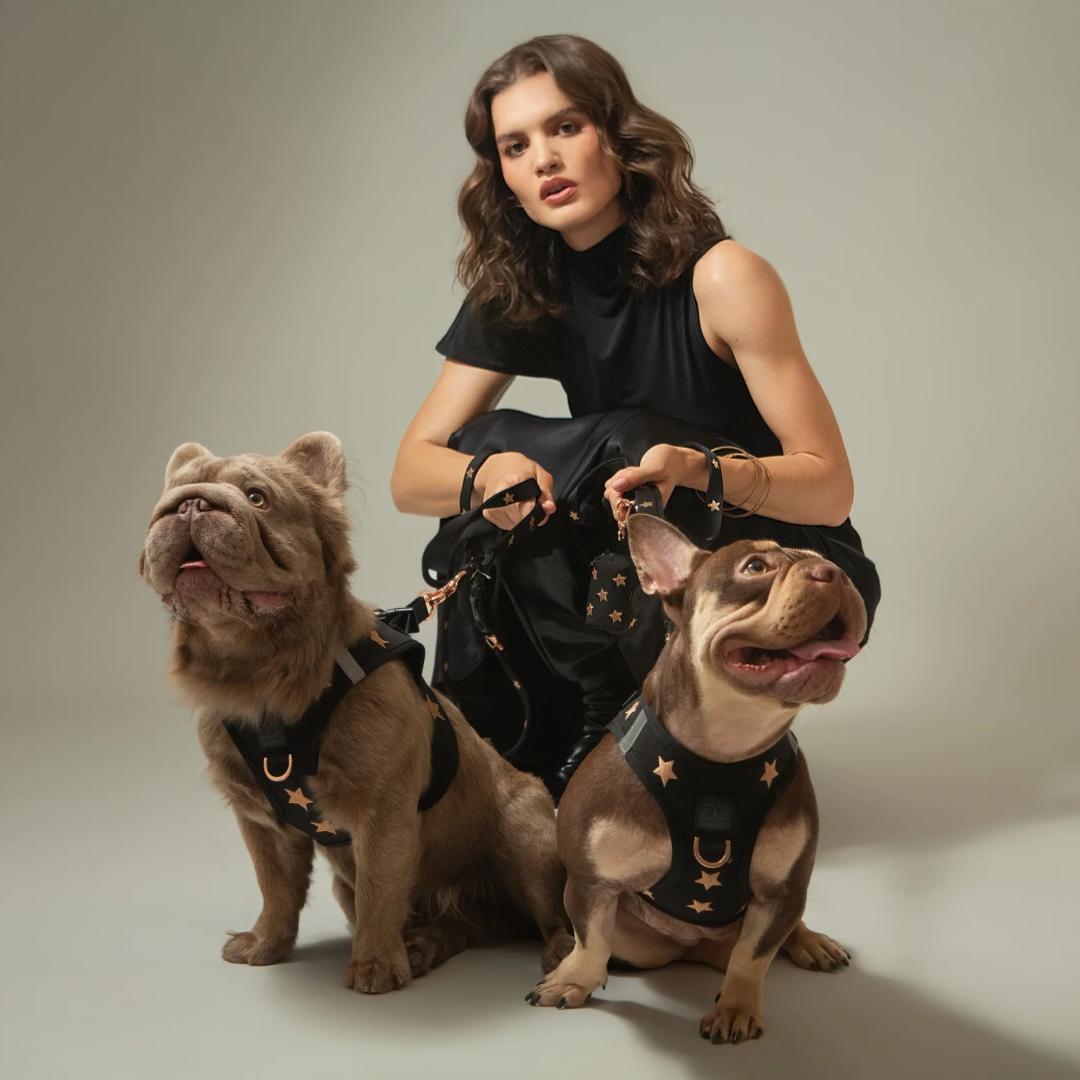
Dogistry combines thoughtful design with premium materials to create harnesses that support training while maintaining style. No-pull features are integrated seamlessly, ensuring dogs feel supported rather than restricted.
Choosing a Dogistry no-pull harness means investing in:
-
Better walking experiences
-
Safer handling
-
Long-term comfort
-
Refined everyday style

Final Thoughts
Leash pulling doesn’t have to define your walks. With the right harness and consistent use, dogs can learn calmer, more controlled walking habits. Dogistry no-pull harnesses are designed to guide this process gently, effectively, and comfortably.
When walks feel balanced and stress-free, they become something both you and your dog genuinely enjoy.