Recognizing the Signs Your Dog Has Outgrown Its Harness: An Expert Guide for Responsible Pet Owners
A quality dog harness is more than a walking accessory—it's an essential part of your dog's daily routine. From early morning neighborhood walks to weekend adventures and family vacations, a harness plays a vital role in how your dog moves, explores, and experiences the world.
Despite its importance, many owners replace a harness only when it becomes visibly worn. Frayed stitching, damaged buckles, or broken hardware are obvious reasons for an upgrade, but they are rarely the first indicators that a harness is no longer meeting your dog's needs.
In many cases, the earliest signs are far more subtle.
Dogs grow, mature, gain muscle, lose weight, and adapt to new lifestyles throughout their lives. Puppies develop rapidly during their first year, active adult dogs often build strength through regular exercise, and senior dogs may require equipment that supports changing mobility needs. As these natural changes occur, a harness that once fit perfectly may gradually become less suitable.
Recognizing these changes is an important part of responsible pet ownership. Rather than waiting until a harness fails, proactive owners regularly evaluate how their dog's equipment performs during everyday activities.
At Dogistry, we believe premium pet accessories should evolve alongside the dogs who wear them. A thoughtfully designed harness should provide dependable performance while adapting to your dog's changing needs, allowing every walk to remain comfortable, secure, and enjoyable.
This guide explores the practical indicators that suggest it may be time to reassess your dog's current harness and explains why regular evaluations contribute to a better walking experience.

A Harness Should Support Movement—Not Restrict It
Every healthy dog has a natural way of moving. Whether your companion enjoys energetic hikes, brisk neighborhood walks, or leisurely strolls through the park, unrestricted movement is essential to both comfort and confidence.
A well-fitted harness should work with your dog's body rather than against it. As your dog walks, turns, climbs, and explores, the harness should remain stable without interfering with normal motion.
Because physical changes often happen gradually, many owners don't immediately notice when their dog's movement has become less fluid.
Instead of waiting for obvious problems, observe your dog during routine walks.
Consider questions such as:
- Does your dog move with the same confidence as before?
- Has your walking pace changed noticeably over the past several months?
- Does the harness appear to sit differently than it once did?
- Have you needed to adjust the straps more frequently?
These observations can provide valuable insight into whether your current harness continues to meet your dog's needs.
Your Dog's Lifestyle Is Constantly Evolving
A harness purchased for a young adult dog may not remain the ideal choice several years later.
Lifestyle changes occur naturally over time.
Some dogs become enthusiastic hiking companions, while others transition into calmer routines centered around neighborhood walks. Seasonal changes may increase outdoor activities, family vacations introduce new environments, and changes in exercise habits can influence body condition.
Each of these factors affects how frequently your harness is used and how well it should perform.
Choosing premium walking equipment isn't simply about today's needs—it's about investing in accessories that continue supporting your dog's lifestyle as it evolves.
Dogistry harnesses are designed with adjustability and everyday practicality in mind, helping owners maintain a comfortable fit through different life stages and activity levels.
Small Changes Often Tell the Biggest Story
Owners sometimes expect major warning signs before considering new walking equipment.
In reality, the most meaningful indicators are usually the smallest.
Perhaps your dog pauses briefly before heading outside.
Maybe the harness requires frequent readjustment after walks.
You might notice that putting the harness on has become less straightforward than it used to be.
Individually, these moments may seem insignificant.
Taken together, however, they suggest it's time to evaluate whether your dog's current harness continues to provide the support and convenience you expect.
Developing the habit of periodically assessing your dog's equipment helps prevent minor issues from becoming larger concerns while ensuring every walk begins with confidence.
Evaluate Your Harness Before Every Season
Many dog owners think about replacing a harness only after years of use, but experienced pet owners know that a harness should be evaluated regularly—not simply replaced when it looks worn.
Seasonal weather, changing activity levels, and your dog's physical development can all affect how a harness performs. A quick inspection at the beginning of each season helps ensure your dog's equipment continues to provide the support needed for daily adventures.
Instead of asking, "Is my harness broken?", ask a better question:
"Is this harness still the best choice for my dog today?"
This simple shift in thinking encourages proactive care rather than reactive replacement.
Five Questions Every Dog Owner Should Ask
Before every season, take a few minutes to evaluate your dog's harness by asking the following questions.
1. Has My Dog's Body Changed?
Dogs naturally change throughout their lives.
Puppies experience rapid growth during their first year, while adult dogs may gain muscle through increased activity or lose weight due to dietary adjustments. Senior dogs may also experience changes in body condition that influence harness fit.
Even small physical changes can affect how a harness sits on the body.
If your dog has experienced noticeable growth or weight changes since you purchased the harness, reassessing the fit is a smart first step.
2. Does the Harness Still Fit Securely?
A premium harness should remain secure throughout the walk without constant adjustment.
Take a moment to inspect how the harness sits before leaving home.
Look for signs such as:
- Twisted straps.
- Loose adjustment points.
- Buckles that no longer align correctly.
- Sections that shift excessively during movement.
A properly adjusted Dogistry harness should remain balanced while allowing your dog to walk, sit, turn, and explore naturally.
3. Has Your Routine Changed?
Many owners overlook how lifestyle changes affect walking equipment.
Perhaps your dog now accompanies you on weekend hikes.
Maybe you've moved to a neighborhood with longer walking paths.
Perhaps your dog now joins family vacations or visits pet-friendly restaurants more often.
As routines evolve, your walking equipment should continue meeting those new demands.
Choosing accessories that support your current lifestyle helps create a more enjoyable experience every time you head outdoors.
4. Is Your Dog Still Comfortable Wearing It?
Comfort isn't always obvious.
Rather than focusing only on the harness itself, observe your dog's behavior before, during, and after walks.
Notice whether your dog:
- Walks confidently.
- Moves freely around obstacles.
- Appears relaxed while wearing the harness.
- Maintains a natural walking rhythm.
These everyday observations often provide better insight than simply inspecting the harness visually.
5. Is the Harness Ready for Another Year of Adventures?
A harness accompanies your dog through hundreds of memorable moments.
Morning walks before sunrise.
Afternoons at the local park.
Road trips.
Camping weekends.
Beach vacations.
Holiday gatherings.
Every outing adds to the story your dog shares with your family.
Before beginning another season of adventures, make sure your equipment is ready to support every new experience ahead.
Matching Your Harness to Your Lifestyle
The ideal harness isn't determined only by your dog's size—it should also reflect how you spend time together.
The Daily Neighborhood Walker
If most outings involve neighborhood sidewalks and nearby parks, consistency becomes the priority.
A dependable Dogistry harness helps create an enjoyable routine that fits naturally into everyday life.
The Outdoor Explorer
Some dogs spend weekends exploring hiking trails, lakes, forests, and nature preserves.
These adventures require equipment designed to perform across changing environments while allowing dogs to move naturally.
Preparing before each trip helps ensure both owner and dog can enjoy the journey with confidence.
The Frequent Traveler
More families than ever include their dogs in vacations and weekend getaways.
Whether you're staying in a pet-friendly hotel or taking a scenic road trip, keeping your walking equipment organized simplifies every stop along the way.
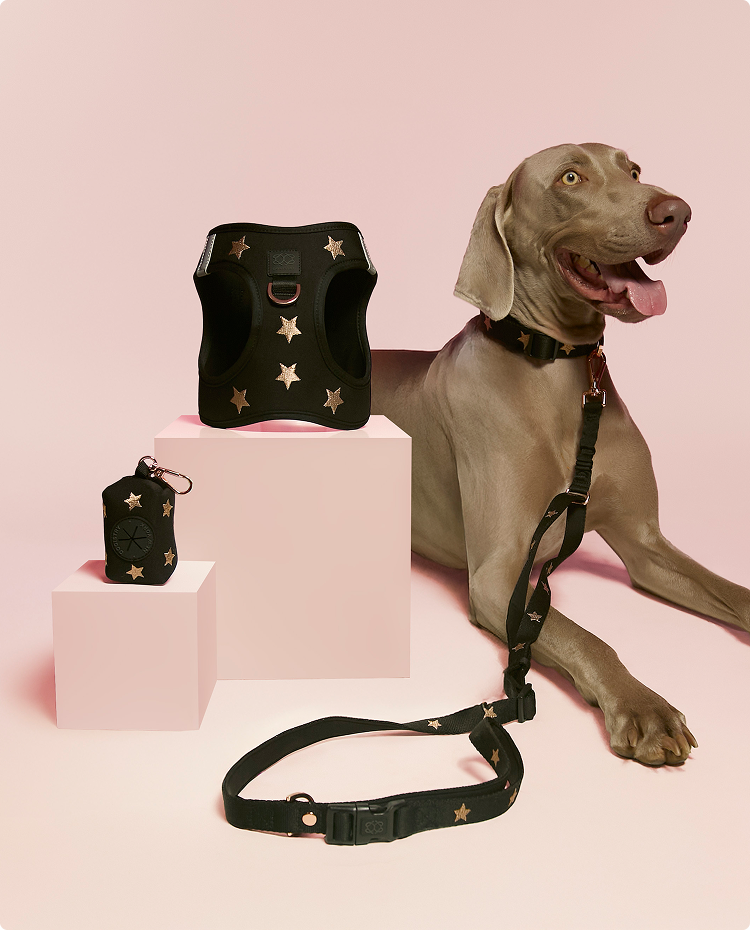
Pairing your Dogistry harness with a matching leash, collar, and poop bag holder creates a coordinated setup that's always ready for the next destination.
Why Quality Matters Beyond Appearance
Many harnesses look similar at first glance, making it tempting to compare products based only on color or style.
However, long-term value comes from thoughtful design, dependable construction, and consistent performance.
A premium harness should support your dog's lifestyle throughout changing seasons, growing confidence, and countless daily walks.
Rather than viewing a harness as a simple accessory, think of it as part of your dog's everyday well-being.
Investing in quality walking equipment isn't just about appearance—it's about supporting years of shared experiences.
Professional Tips for Responsible Dog Owners
Experienced pet owners often develop simple habits that help keep walking equipment performing at its best.
Consider adding these practices to your routine:
- Inspect buckles before every outing.
- Check strap adjustments monthly.
- Clean the harness after muddy adventures.
- Allow the harness to dry completely before storing it.
- Store all walking accessories together in one convenient location.
- Reassess fit after noticeable weight or coat changes.
These small habits require only a few minutes but help maintain a consistent and enjoyable walking routine throughout the year.
Creating a Long-Term Harness Care Routine
Purchasing a premium dog harness is only the beginning. Like any accessory your dog uses every day, regular care and inspection help ensure it continues to perform as intended throughout years of daily use.
Responsible dog owners understand that maintenance isn't about waiting for something to fail—it's about preventing problems before they happen. A simple monthly inspection takes only a few minutes and can help keep your walking routine consistent.
Developing a maintenance routine also helps you become more familiar with your dog's equipment, making it easier to notice small changes before they become larger concerns.
Your Monthly Harness Inspection Checklist
Setting aside a few minutes each month to inspect your dog's harness is one of the easiest ways to maintain dependable walking gear.
Examine the Stitching
Look closely at every stitched section of the harness.
The stitching should remain secure and consistent without loose threads or signs of excessive wear. While premium craftsmanship is designed for everyday use, regular inspections help identify areas that may need attention after months of frequent adventures.
Inspect Buckles and Fasteners
Every buckle should close smoothly and lock securely.
Open and close each fastening point several times to ensure it functions properly before heading outdoors.
Reliable hardware contributes to a safer and more enjoyable walking experience.
Review the Adjustment Straps
Adjustment straps should remain secure after fitting your dog.
If you notice that adjustments frequently loosen over time, take a few moments to readjust the harness and confirm it continues to provide an even, balanced fit.
Keep the Harness Clean
Outdoor adventures naturally expose walking gear to dirt, dust, mud, grass, and moisture.
Cleaning your harness regularly helps maintain its appearance while removing debris that may accumulate after frequent use.
Always allow the harness to dry completely before storing it to help preserve its condition.
When Should You Replace a Harness?
A common question among dog owners is:
"How long should a dog harness last?"
There isn't a universal answer because every dog lives a different lifestyle.
A harness used for occasional weekend walks experiences very different wear than one worn several times a day throughout the year.
Instead of focusing only on age, evaluate the overall condition of the harness.
Consider replacing your harness if you notice:
-
Hardware that no longer functions smoothly.
-
Visible damage that affects performance.
-
Significant changes in your dog's size or body shape.
-
Difficulty achieving a secure adjustment.
-
Reduced confidence in the equipment during walks.
Choosing to replace equipment before problems develop reflects responsible ownership and helps maintain a positive walking experience.
Building a Complete Walking System
A harness performs best when it's part of a coordinated walking setup.
Many experienced pet owners choose accessories designed to work together rather than purchasing unrelated items over time.
A complete Dogistry walking system may include:
-
A premium Dogistry harness.
-
A matching Dogistry leash.
-
A comfortable Dogistry collar for everyday identification.
-
A convenient Dogistry poop bag holder.
Keeping these essentials together simplifies preparation before every outing while creating a consistent routine for both owner and dog.
Frequently Asked Questions
Can a dog outgrow a harness without gaining much weight?
Yes. Changes in muscle development, body shape, coat thickness, or overall growth can influence how a harness fits, even if your dog's weight remains relatively stable.
How often should I check my dog's harness?
A quick visual inspection before each walk and a more detailed monthly inspection are good habits for maintaining dependable walking equipment.
Should I wash my dog's harness regularly?
Yes. Cleaning your harness after muddy or wet adventures helps keep it in good condition and ready for future use. Always follow the manufacturer's care recommendations.
Can I use the same harness for different activities?
A well-designed premium harness can support many everyday activities, from neighborhood walks to weekend outings. Always ensure it remains properly adjusted for your dog's current size and activity level.
Why choose a Dogistry harness?
Dogistry designs premium dog harnesses for pet owners who value thoughtful craftsmanship, dependable performance, and modern design. Every harness is created to support everyday adventures while helping dogs move comfortably and confidently.

Final Thoughts
The best dog owners don't wait for problems to appear—they develop habits that help prevent them. Regularly evaluating your dog's harness, observing changes in behavior, and maintaining your walking equipment all contribute to a safer and more enjoyable experience.
A harness is more than a functional accessory. It becomes part of your dog's everyday life, accompanying countless walks, family outings, road trips, and memorable adventures. Choosing equipment that continues to meet your dog's changing needs demonstrates a commitment to responsible pet ownership and long-term care.
Rather than viewing your harness as something to replace only when it wears out, think of it as equipment that deserves periodic evaluation. Small adjustments and routine inspections today can help support years of comfortable walks tomorrow.
Discover the Dogistry Difference
At Dogistry, we believe every adventure deserves thoughtfully designed accessories that combine functionality, durability, and timeless style. Our premium harness collection is created for modern dog owners who expect more from their everyday walking gear.
Whether you're welcoming a growing puppy, supporting an active adult dog, or helping a senior companion enjoy comfortable daily walks, Dogistry offers premium products designed to grow with every stage of your journey together.
Explore the Dogistry collection today and discover harnesses designed for comfort, confidence, and every adventure still waiting around the corner.