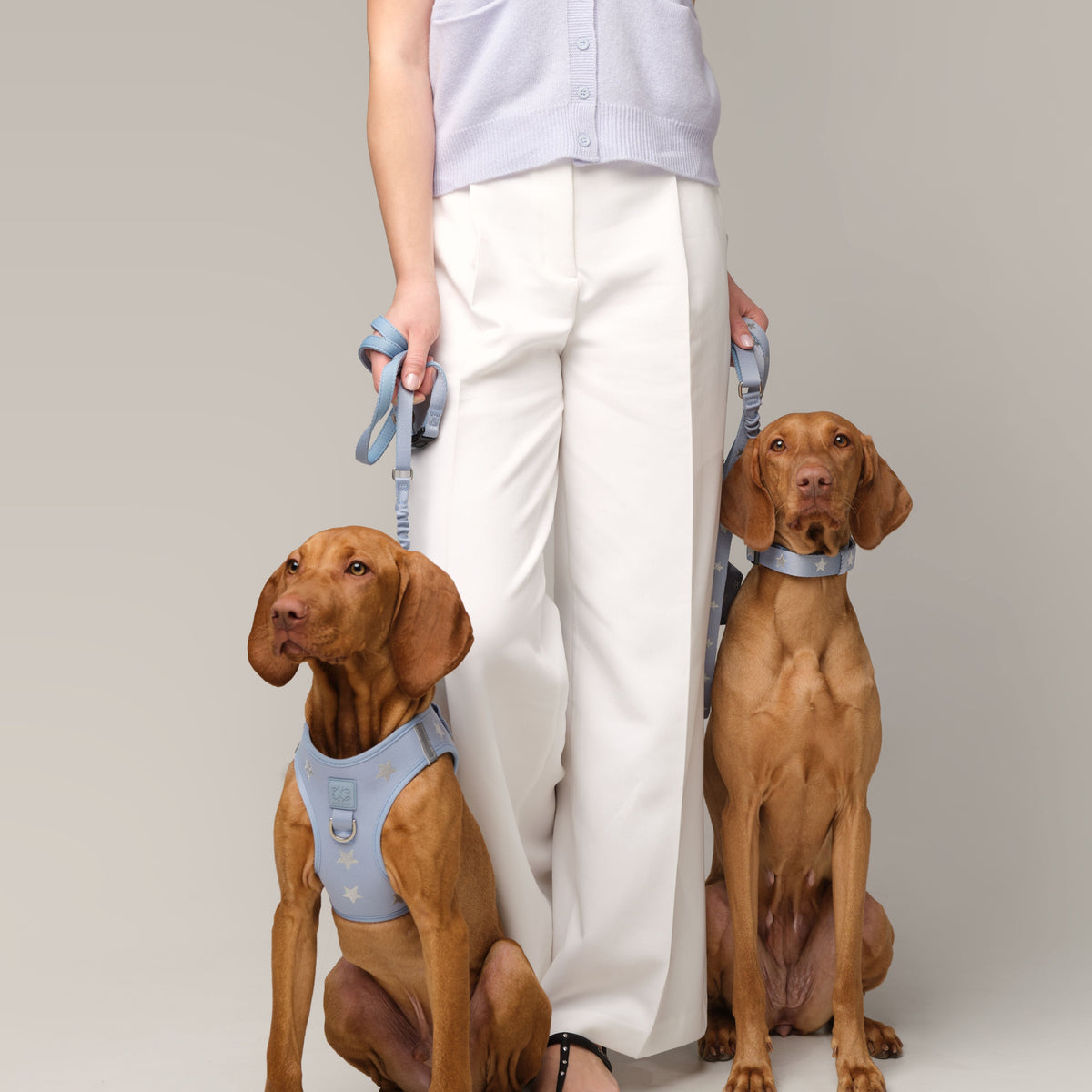
The Right Fit Changes Everything: How to Choose a Comfortable DOGISTRY Dog Harness
Choosing a dog harness is about more than finding an attractive accessory. The right harness should support your dog's natural movement, fit comfortably against the body, and make everyday outings easier to manage. When a harness fits properly, it can become a dependable part of your dog's routine rather than something you struggle to put on before every walk.
DOGISTRY approaches dog accessories with attention to comfort, functionality, and design. Its harness collection offers options for different dog sizes and walking preferences, helping owners find a style that suits their dog's needs while reflecting their own sense of style. Understanding how to choose and use a harness properly can help you make a more informed decision for your companion.

Why a Well-Fitted Dog Harness Matters
A harness distributes contact around a dog's body rather than relying exclusively on a narrow band around the neck. Depending on its design and fit, this can offer a more comfortable option for many dogs during everyday walking activities. The goal is to create a secure connection without unnecessarily restricting movement or creating pressure points.
A harness should never be treated as a substitute for supervision or training. Instead, it is one part of a responsible walking routine that includes appropriate handling, gradual introductions, and regular checks of the equipment.
Comfort Begins With Proper Sizing
A harness that is too tight may rub against the skin, restrict movement, or make a dog reluctant to wear it. A harness that is too loose may shift around the body or allow a dog to back out of it, especially when the dog moves unexpectedly.
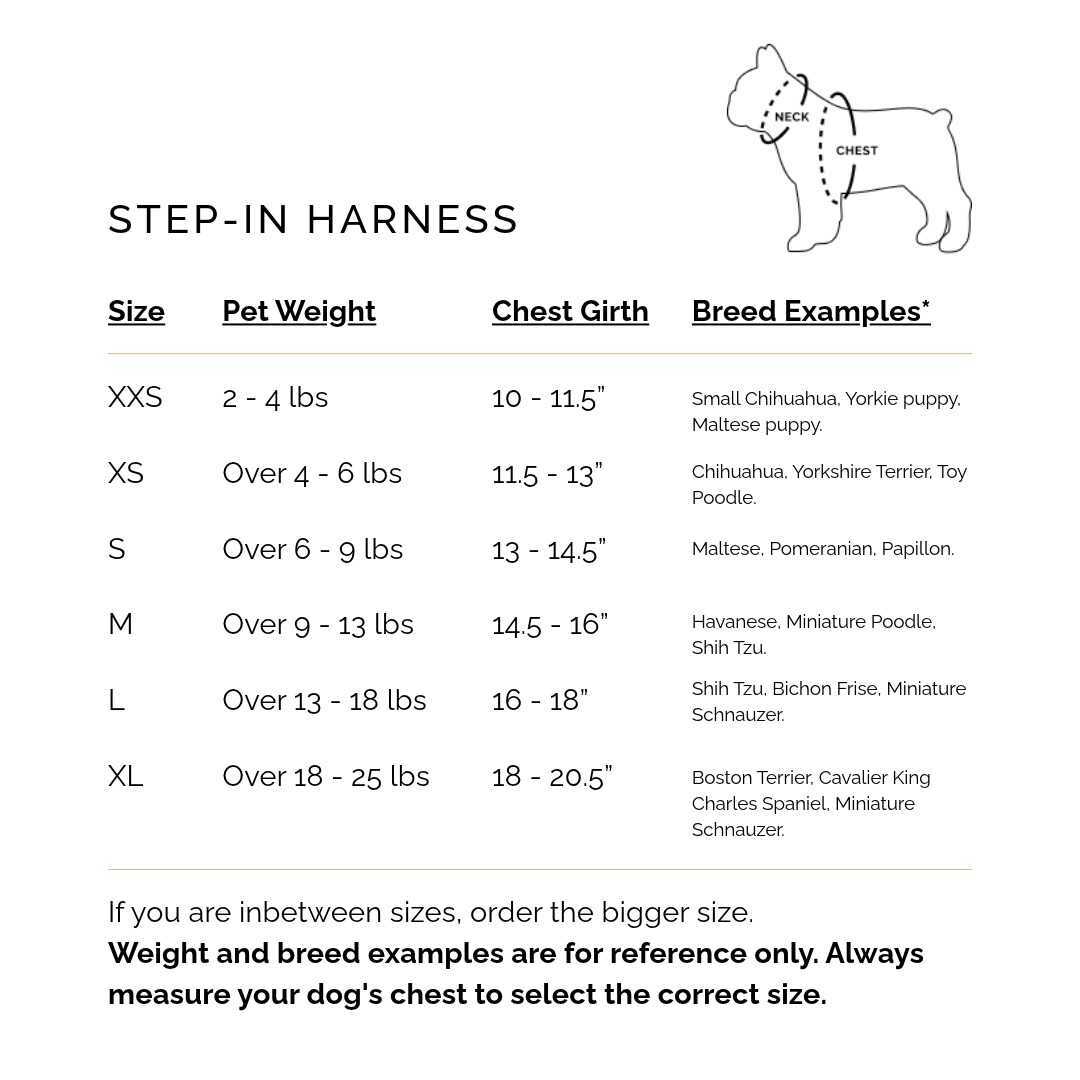
Measurements are more reliable than selecting a size based only on breed or weight. Two dogs of the same breed can have different chest proportions, body lengths, and builds, so owners should consult the specific size chart for the DOGISTRY harness they are considering.
A Better Experience for Everyday Walks
A comfortable harness can make getting ready to leave the house feel less stressful. When a dog accepts the harness calmly and the equipment sits correctly, owners can spend less time adjusting straps and more time preparing for the outing.
Consistency is important, too. Putting the harness on gently, rewarding calm behavior, and checking the fit before heading outside can help create a predictable routine that dogs learn to recognize.
Understanding the DOGISTRY Harness Collection
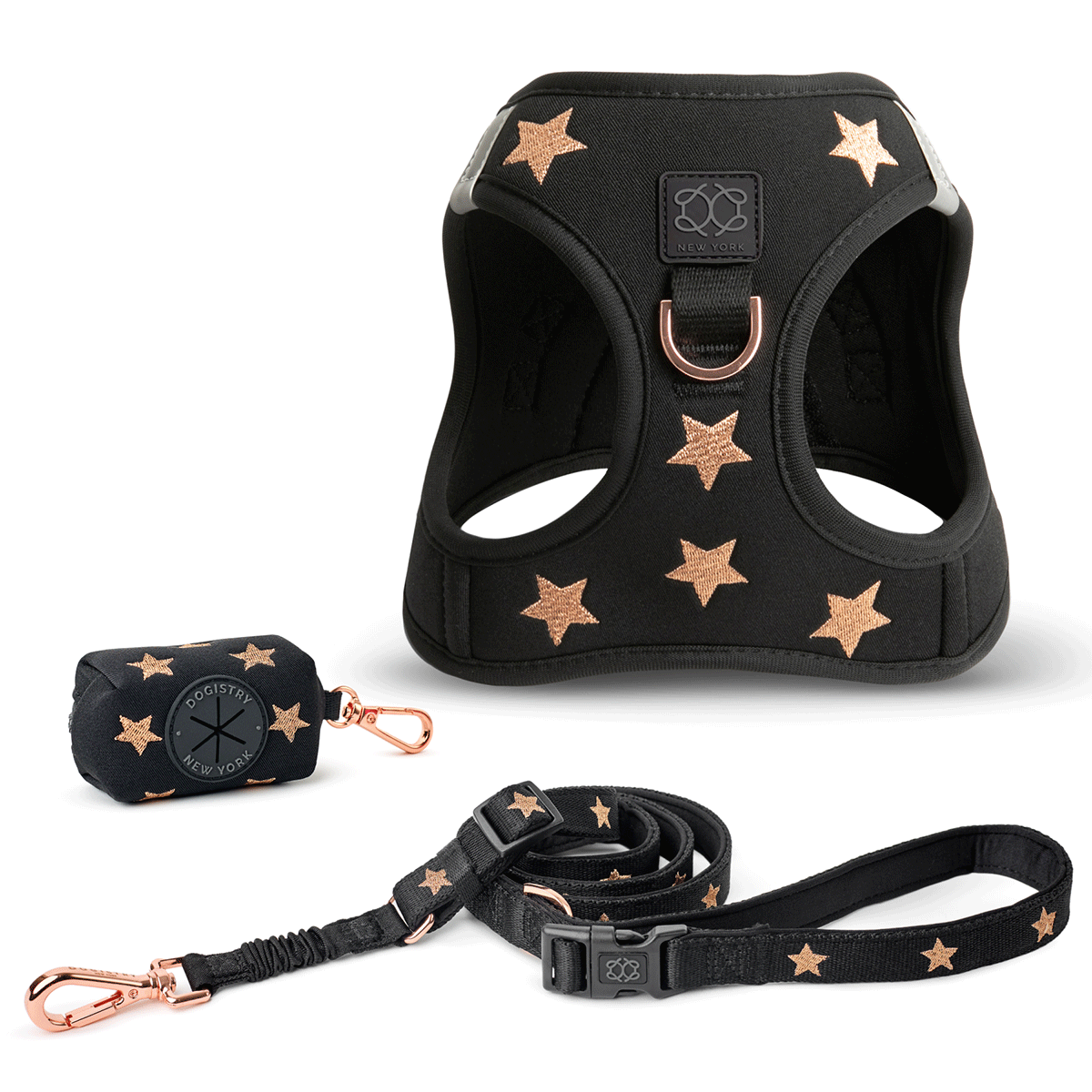
DOGISTRY offers harness designs intended to combine practical construction with a polished appearance. Two options include the SoHo Step-In Harness and the NoMad Adjustable Luxe Harness, each with a different approach to getting the harness on and achieving a suitable fit.
The best choice depends on your dog's size, body shape, comfort preferences, and tolerance for different dressing methods. Reviewing the product details before purchasing can help you choose a design that fits your daily routine.
The SoHo Step-In Harness
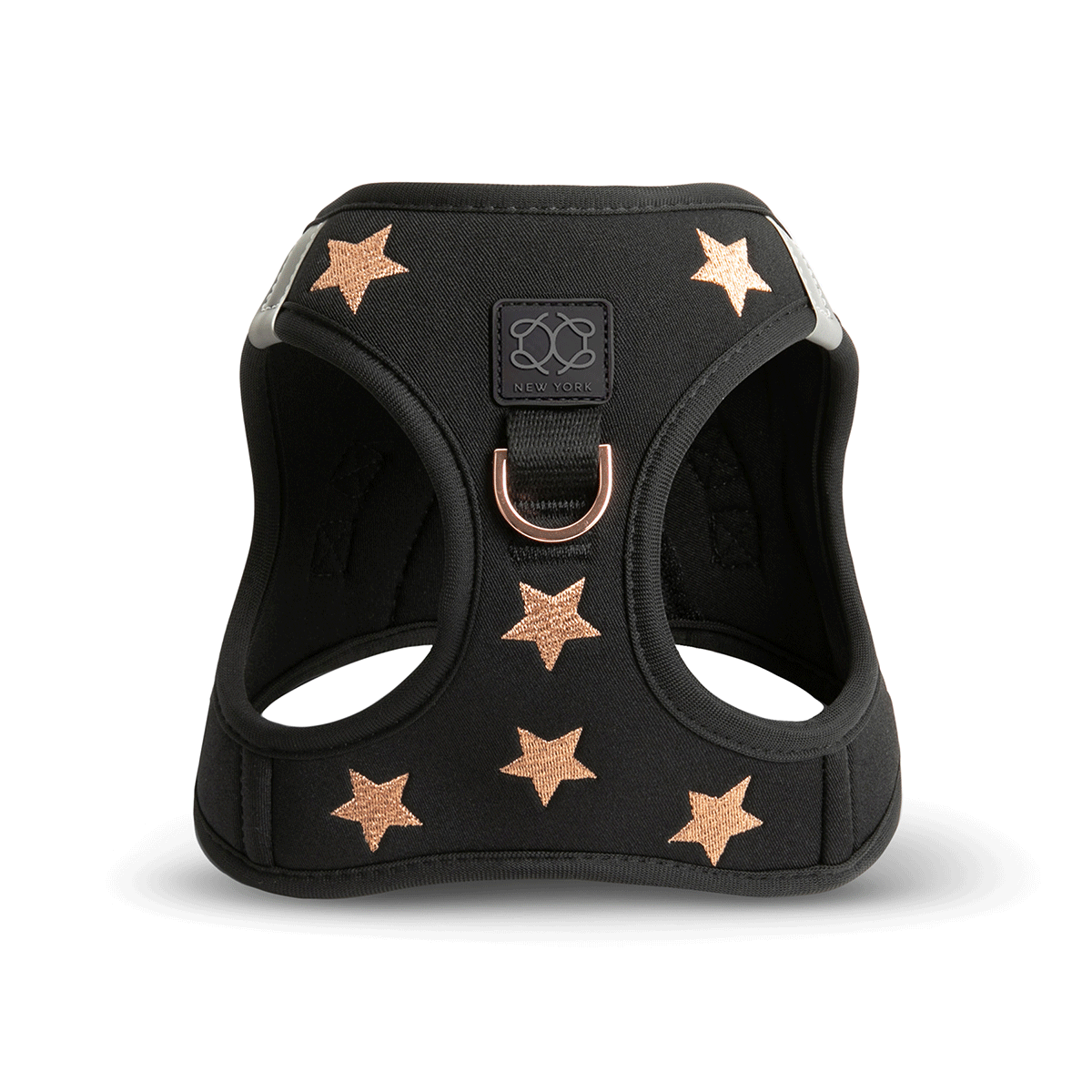
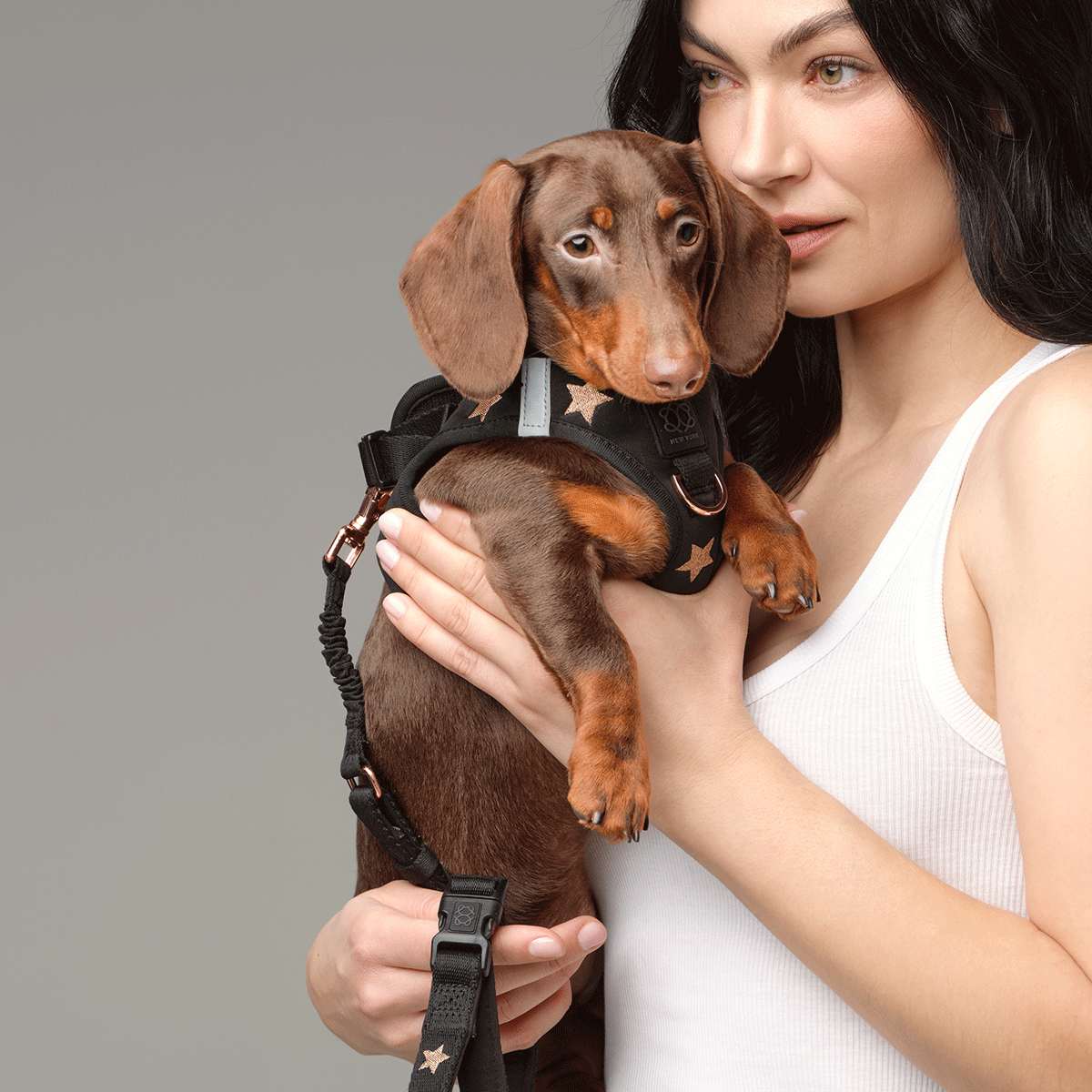
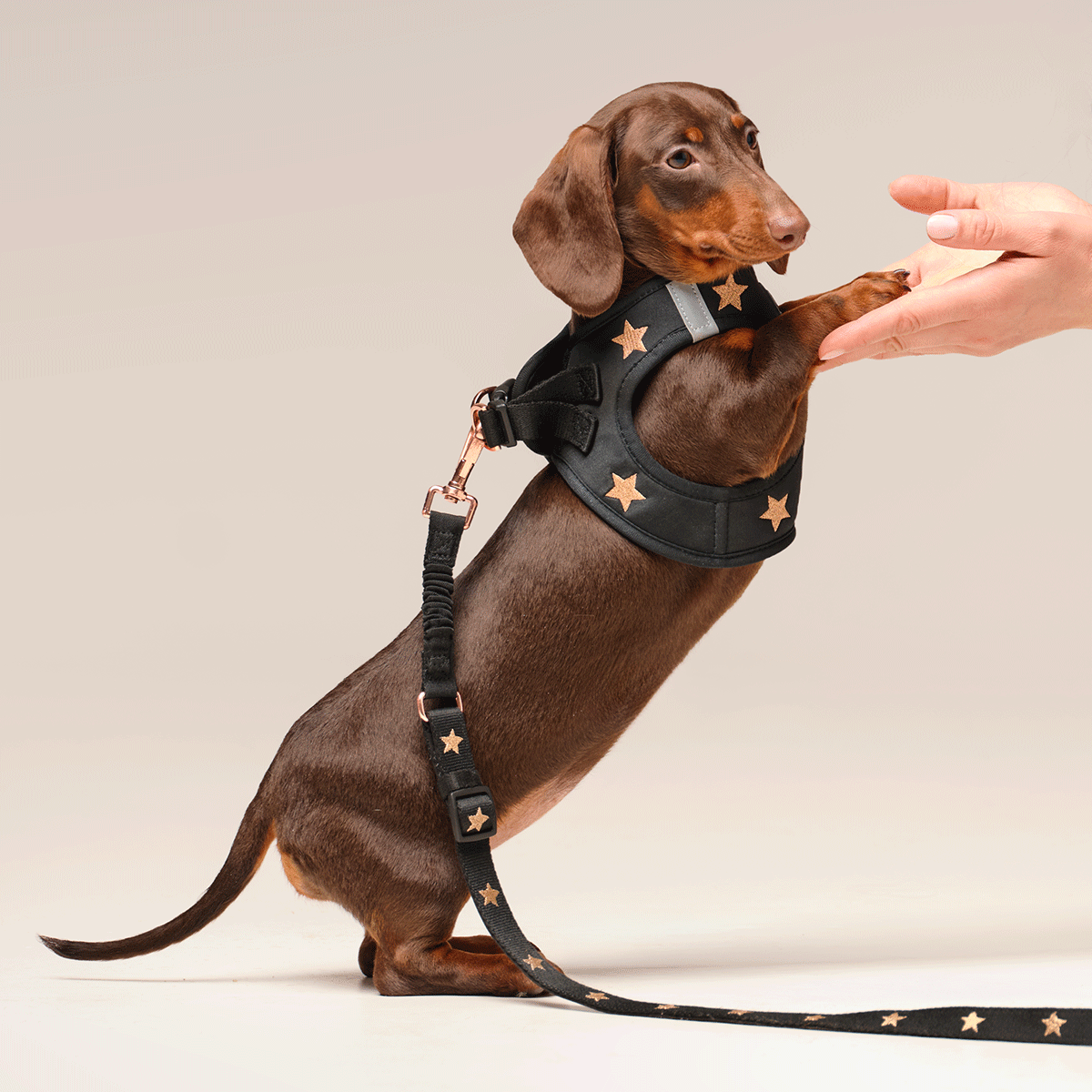
The SoHo Step-In Harness is designed for dogs who may benefit from a step-in dressing method. Instead of requiring the harness to be pulled over the dog's head, the dog places its front paws into the appropriate openings before the harness is secured.
This approach may be especially useful for owners of small dogs who dislike having equipment passed over their heads. However, every dog has individual preferences, so a step-in style should still be introduced gradually and without forcing the dog into position.
The SoHo design includes breathable mesh padding and adjustable closures intended to support comfort and a more personalized fit. Its front and rear attachment points offer different connection options, allowing owners to choose an appropriate configuration for their walking routine.
The NoMad Adjustable Luxe Harness
The NoMad Adjustable Luxe Harness offers an over-the-head design with adjustable straps and features intended for everyday convenience. Its construction includes reflective trim, dual D-rings, and a padded grab handle, with details that may appeal to owners seeking additional handling options.
The adjustable design allows owners to customize the fit within the appropriate size range. Its grab handle can provide a convenient point for brief, controlled assistance when needed, but it should not replace proper leash handling or be used to lift a dog unless the product instructions explicitly permit that use.
When comparing the NoMad and SoHo options, consider how your dog responds to dressing, how much adjustability is needed, and which features are useful for your lifestyle. Neither design is automatically the right choice for every dog.
How to Measure Your Dog for a Harness
Accurate measurements are among the most important steps in selecting a harness. Before ordering, gather a flexible measuring tape and allow your dog to stand naturally on a stable surface.
Measure the Chest
The chest measurement is especially important because the harness must fit securely around the dog's body without squeezing it. Follow the specific measuring instructions provided for the harness, and keep the tape comfortably close to the coat without pulling it tight.
Take the measurement more than once if your dog moves around. If the readings differ, repeat the process when your dog is standing calmly and use the product's sizing guidance to determine the appropriate size.
Consider Body Shape and Coat
Weight can provide helpful context, but it does not tell the whole story. A broad-chested dog may need a different fit from a narrow-bodied dog with the same weight, while a thick coat can affect how the harness sits against the body.
For dogs between sizes, do not assume that choosing the larger option will automatically solve the problem. Review the adjustable range, chest measurements, and manufacturer's recommendations before deciding.
Check the Fit After Delivery
Once the harness arrives, test it indoors before using it outside. Fasten all closures according to the instructions, adjust the straps carefully, and observe how the harness sits when your dog stands, walks, and turns.
Look for even positioning, secure closures, and freedom of movement. The harness should not rotate excessively, slip toward the shoulders, press into the armpits, or leave enough space for your dog to back out.
Features That Support Everyday Comfort
A harness is used repeatedly, so small design details can influence the experience over time. Materials, adjustment points, closures, and attachment hardware all deserve attention when selecting a product.
Breathable Padding
Breathable materials can help improve comfort during ordinary activity, particularly when a dog wears a harness for extended periods. The amount of airflow and cushioning depends on the design, so owners should inspect how the material rests against their dog's coat and skin.
Even a breathable harness should be checked regularly. Heat, moisture, dirt, and trapped debris can affect comfort, making it important to remove the harness when appropriate and keep it clean.
Adjustable Closures
Adjustment features allow owners to fine-tune the fit rather than relying on one fixed measurement. A secure closure should remain fastened during normal use and should be checked before every outing.
Follow the manufacturer's instructions when tightening or loosening the harness. Over-tightening can compromise comfort, while leaving straps too loose can create movement and increase the chance of an escape.
Attachment Points
Different attachment points can support different handling approaches. A rear attachment may suit familiar walks for a dog who already walks comfortably on a leash, while a front attachment may help some owners redirect forward movement during training.
A front attachment does not automatically stop pulling. Loose-leash skills still require patience, consistent reinforcement, and appropriate training methods suited to the dog's behavior.
Introducing a Harness to a Reluctant Dog
Some dogs accept a new harness immediately, while others need time to become comfortable with the feel and process. A calm introduction can prevent the harness from becoming associated with frustration.
Start With Short Sessions
Allow your dog to inspect the harness before putting it on. Reward calm curiosity with praise or treats, then begin with a brief session that ends before your dog becomes uncomfortable.
If your dog backs away, freezes, or repeatedly tries to escape, pause and make the next attempt easier. Gradual progress is more useful than forcing the harness on and expecting the dog to adapt immediately.
Build Positive Associations
Pair the harness with activities your dog enjoys, such as a short play session, gentle praise, or a few treats. At first, the goal is simply to help your dog remain relaxed around the equipment.
Once your dog is comfortable, introduce the dressing process in small steps. Secure the harness for a short period indoors, observe your dog's movement, and remove it calmly before gradually extending the time.
Practice Before Busy Outings
Do not make a crowded street or an unfamiliar environment the first place your dog wears a new harness. Practice indoors or in a quiet outdoor area where you can observe the fit without unnecessary distractions.
This allows you to notice rubbing, slipping, or discomfort before the harness becomes part of a longer walk. It also gives your dog time to become familiar with the new sensation.
Harnesses and Loose-Leash Training
A harness can support walking practice, but equipment alone cannot teach a dog to walk calmly. Pulling may be related to excitement, fear, frustration, curiosity, or a lack of experience, and each cause may require a different approach.
Reward your dog when the leash remains loose and the dog checks in with you. If pulling begins, consider pausing or changing direction in a calm, consistent way that is appropriate for the environment and your dog's training plan.
Use the Right Attachment Configuration
If your harness includes more than one attachment point, understand how each one is intended to be used. Follow the manufacturer's guidance and select the configuration that gives you suitable control without compromising comfort.
Never attach a leash to a point that is not designed for that purpose. Check hardware, stitching, and closures regularly, particularly if your dog pulls strongly or uses the harness frequently.
Match Training to Your Dog
A young puppy may need short, positive sessions, while an adult dog with established pulling habits may benefit from a more structured plan. Dogs who lunge, panic, or show aggression may require professional support rather than a simple change of equipment.
A properly fitted harness is a useful tool, but safe handling, environmental awareness, and training remain essential. Owners should choose an approach that protects both the dog and the people sharing the walking environment.
Caring for Your DOGISTRY Harness
Routine care helps preserve the appearance and function of a harness. Dirt, moisture, and friction can gradually affect fabric, closures, and hardware, especially when the harness is used every day.
Clean According to the Product Instructions
The SoHo Step-In Harness is described as machine washable on a gentle, cold cycle, with air drying recommended. Always confirm the care instructions for your exact harness before washing, because different materials and hardware may have different requirements.
Close any fasteners as directed before cleaning and avoid harsh chemicals that could damage the fabric. Let the harness dry completely before putting it back on your dog.
Inspect Before Every Walk
Take a moment to check the fabric, stitching, adjustment points, and attachment rings. Look for fraying, loose threads, damaged closures, or hardware that no longer moves or fastens correctly.
Replace equipment that is significantly damaged or no longer fits securely. A harness should not remain in service simply because it still looks attractive.
Store It Properly
After use, place the harness in a dry, accessible location away from excessive heat and moisture. Avoid leaving it crumpled beneath heavy items, which may make it harder to inspect before the next outing.
Keeping the harness in a consistent location also helps establish a reliable pre-walk routine. The easier it is to find and check, the less likely you are to rush through preparation.
Choosing a Style That Suits Your Dog
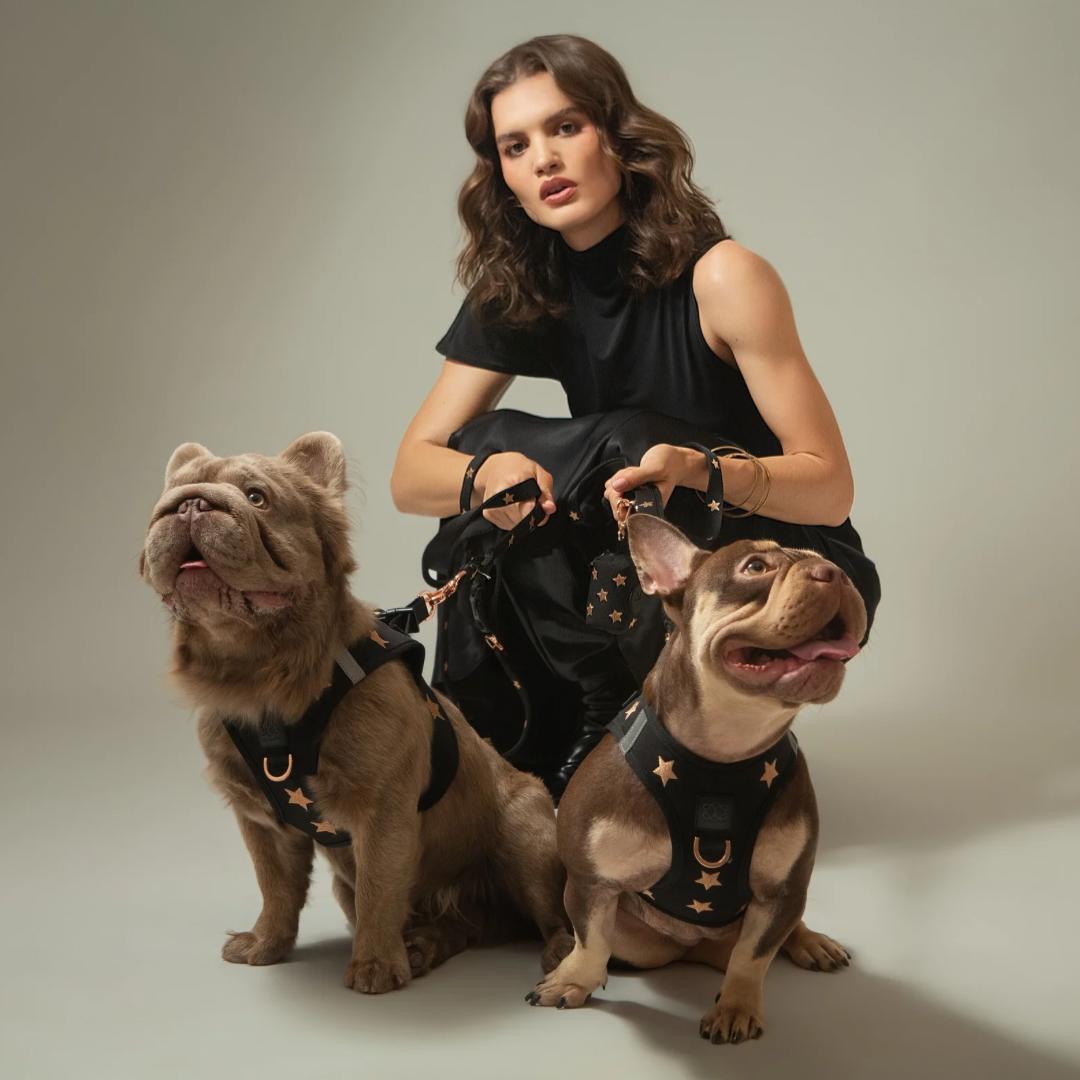
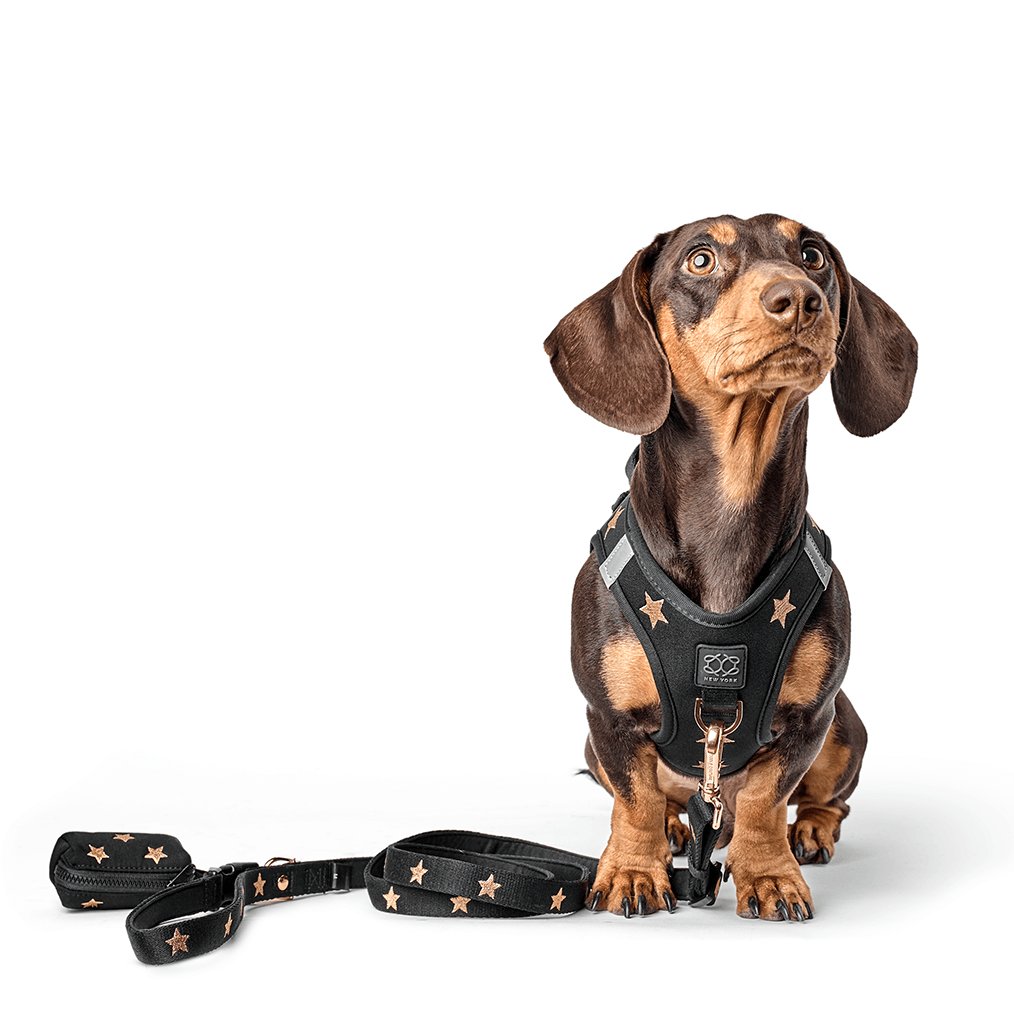
Function should come first, but appearance can also be part of the decision. DOGISTRY offers different colors and design options, allowing owners to choose a harness that suits their preferences while meeting their dog's practical needs.
Think about where the harness will be used and how often it will be worn. A versatile color may work well for daily outings, while a distinctive pattern can add personality to a dog's wardrobe.
Do not let appearance override fit, comfort, or secure construction. The best design is one that works for your dog and makes sense for the activities you regularly enjoy together.

Common Harness Buying Mistakes to Avoid
One common mistake is choosing a harness based entirely on a photograph. Product images can show the style, but they cannot confirm whether the selected size will fit an individual dog's chest and body proportions.
Another mistake is assuming that a harness advertised as adjustable will fit every dog within a broad weight range. Adjustment features have limits, so measurements and the manufacturer's size chart should always guide the decision.
Owners should also avoid ignoring signs of discomfort. Persistent scratching, rubbing, reluctance to move, or repeated attempts to remove the harness are reasons to stop and investigate the fit rather than simply tightening the straps.
Finally, do not treat a harness as equipment that never needs replacement. Dogs can gain or lose weight, coats can change, and frequent use can wear down materials over time.
Frequently Asked Questions
Is a step-in harness suitable for every dog?
Not necessarily. A step-in design can be convenient for dogs who dislike having equipment placed over their heads, but some dogs may prefer a different dressing method. Individual comfort and a secure fit should guide the choice.
Does a harness automatically prevent pulling?
No. A suitable harness may give an owner useful handling options, but loose-leash walking is a learned behavior. Consistent training and appropriate management are still necessary.
How often should I check the fit?
Check the fit before every walk and reassess it whenever your dog grows, gains or loses weight, or develops a different coat. Also inspect the harness after cleaning or adjusting it.
Can my dog wear a harness all day?
That depends on the design, the dog's comfort, and the manufacturer's recommendations. For many dogs, removing the harness when it is not needed allows the skin and coat to breathe and makes it easier to inspect for irritation.
How do I choose between the SoHo and NoMad harnesses?
Compare the dressing method, size range, adjustability, attachment options, and other features of each design. The best option is the one that fits your dog correctly and suits your everyday handling needs.
Final Thoughts: Make Fit the First Priority
A good harness should feel like a practical part of your dog's routine, not an obstacle to getting outside. Proper measurements, careful adjustment, positive introductions, and regular inspection can all help make harness use more comfortable and reliable.
DOGISTRY's SoHo Step-In and NoMad Adjustable Luxe Harnesses offer different approaches to fit, functionality, and design. By evaluating your dog's needs before choosing a style, you can invest in an option that supports everyday outings while reflecting the thoughtful details you value.
Explore the DOGISTRY harness collection and choose a design based on your dog's measurements, comfort, and walking needs. A well-considered fit is the starting point for a better experience, one outing at a time.