A puppy’s first experiences with the outside world can shape how they respond to walks, new surroundings, and everyday routines. From the first time they explore the sidewalk to the moment they become comfortable walking around the neighborhood, each experience is an opportunity to build confidence. The right walking equipment can make those early moments more manageable for both puppies and their owners.
For a small puppy, choosing a harness requires more consideration than simply finding a cute design. A harness should be appropriately proportioned, lightweight, comfortable, and secure when correctly fitted. Puppies have small frames and are still growing, so bulky equipment or an unsuitable fit can make the process of getting ready for a walk more difficult than it needs to be.

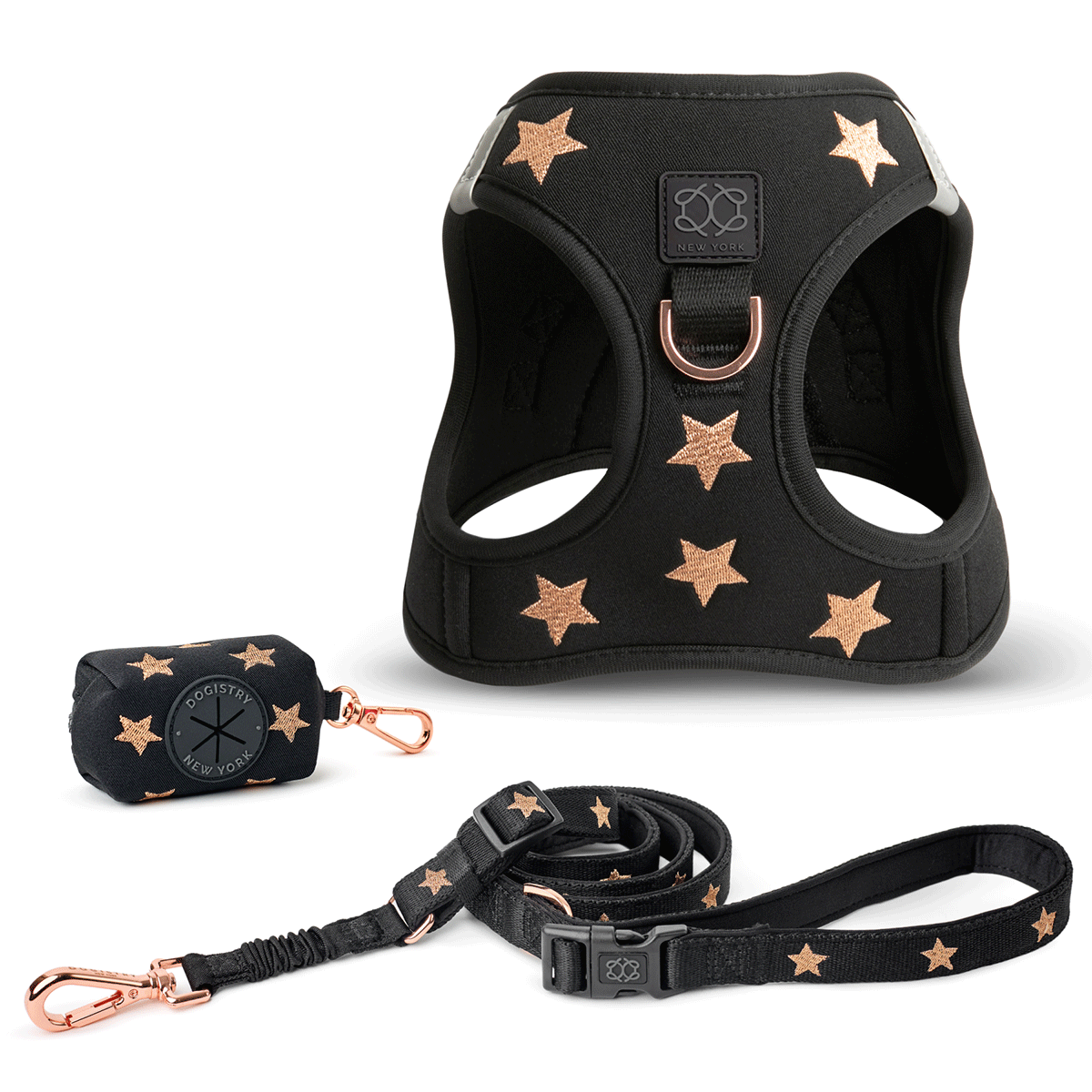
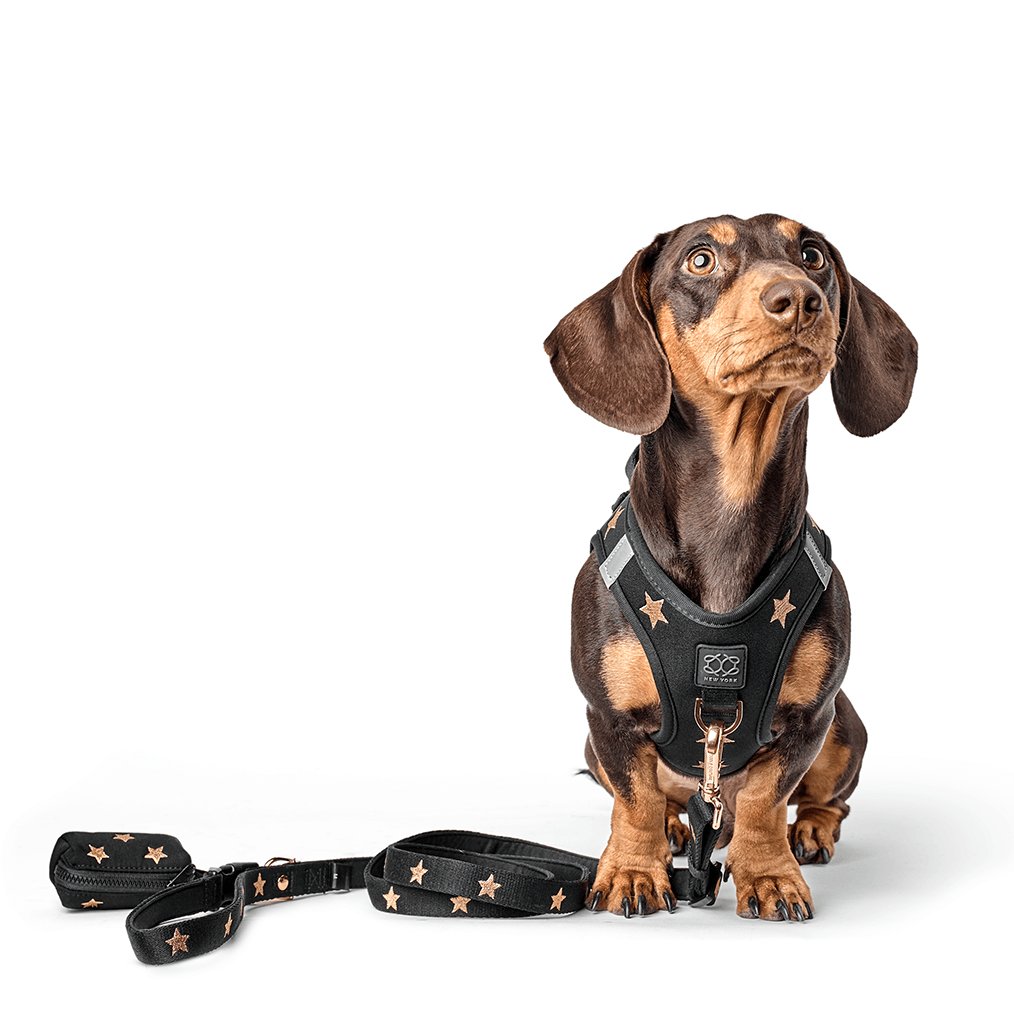
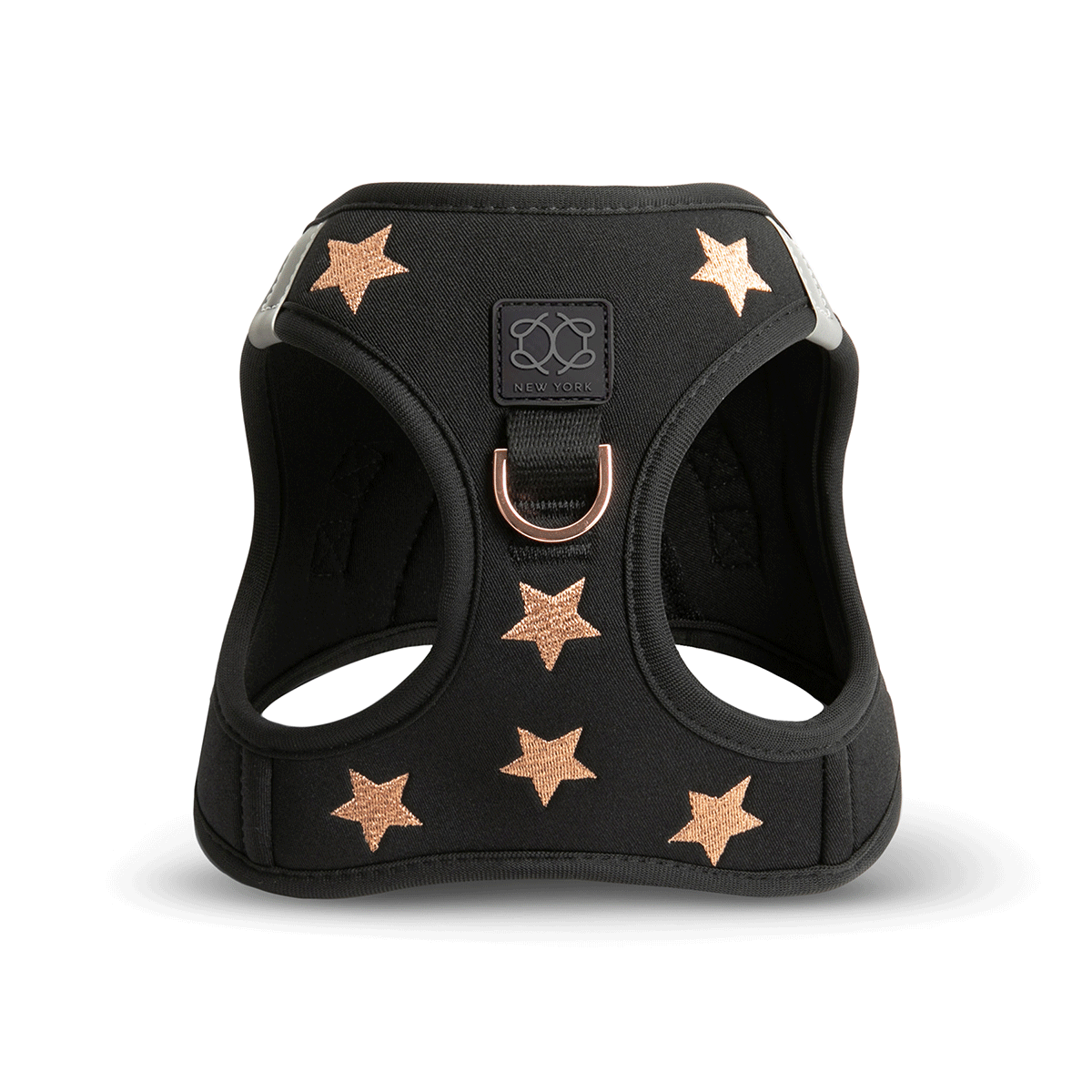
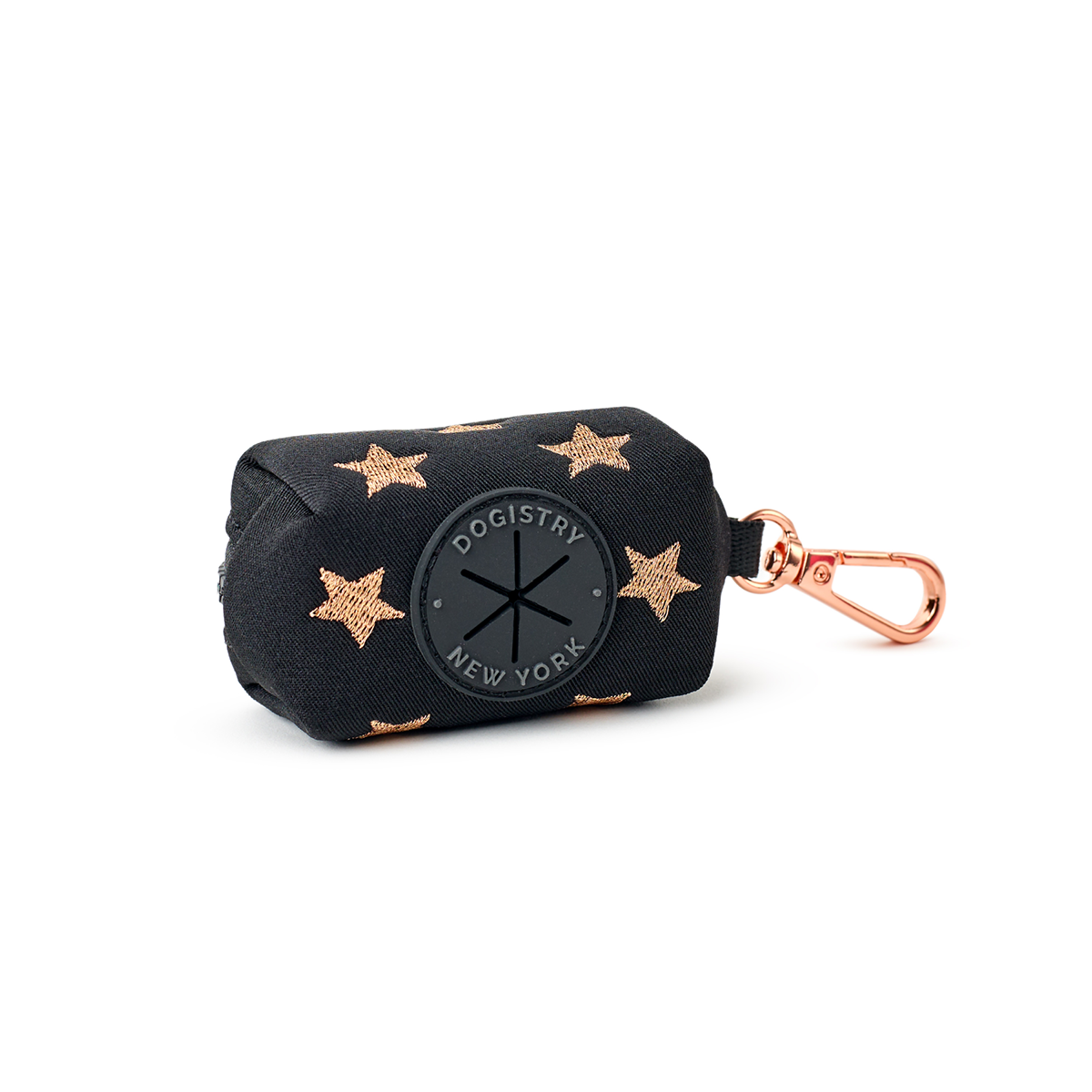
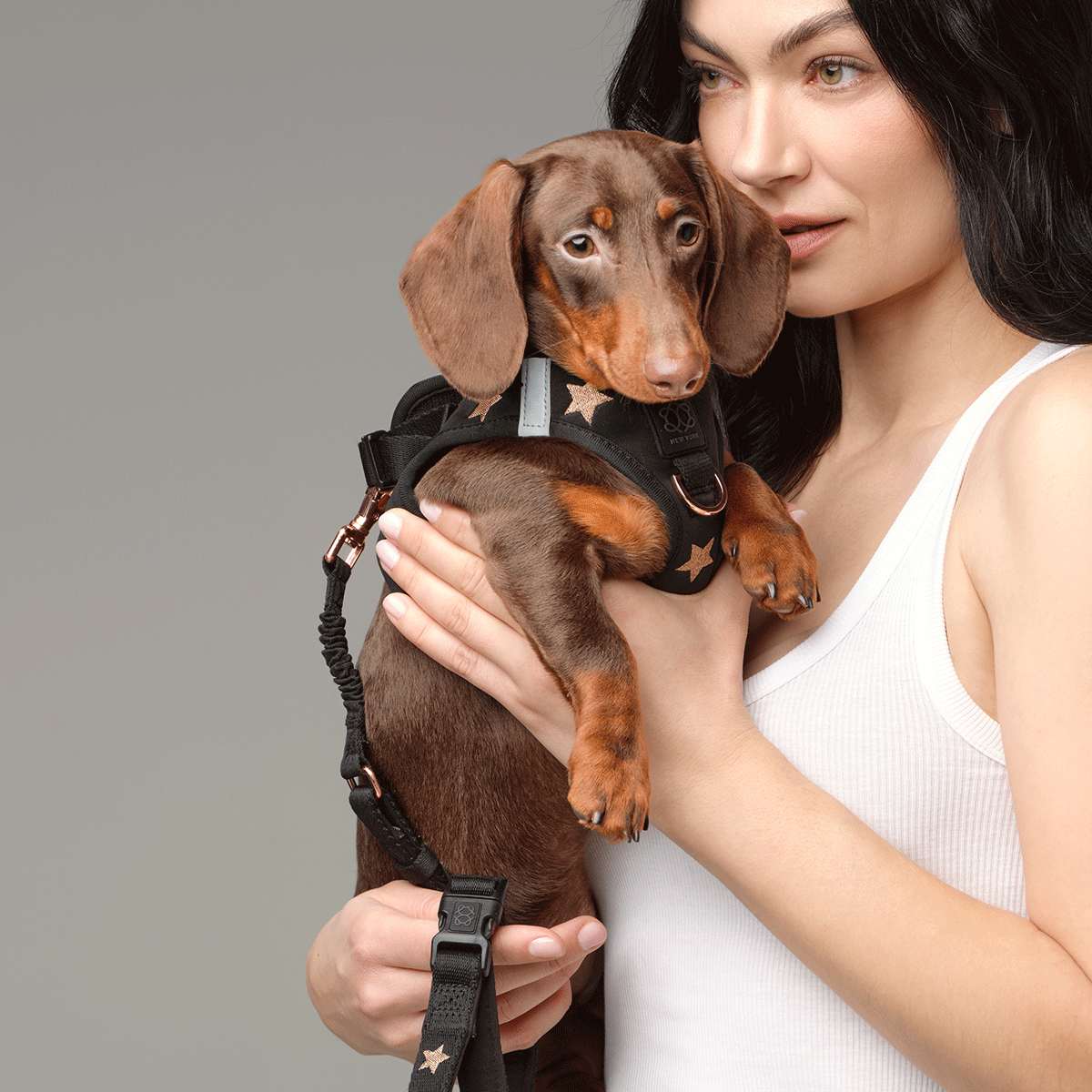
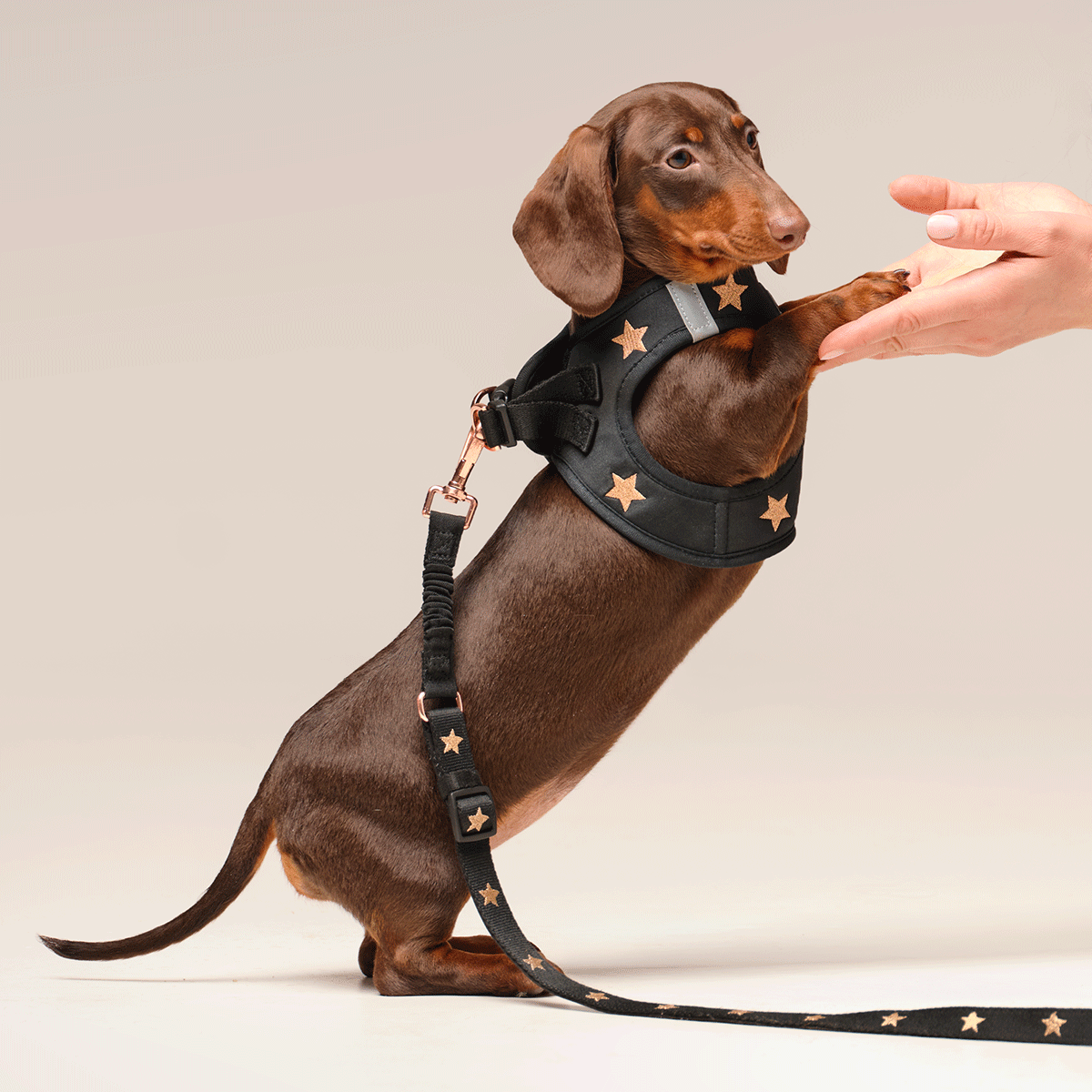
The DOGISTRY Puppy Lightweight Step-In Harness was created with these early experiences in mind. Part of the DOGISTRY Puppies Collection, it features soft textured fabric, delicate embroidered designs, lightweight construction, and a step-in format intended for tiny dogs. Its thoughtful details make it an option for puppy parents looking to introduce a comfortable and coordinated harness into their dog's everyday routine.
Why a Puppy Needs a Properly Fitted Harness
Puppies are naturally curious. A leaf moving across the pavement, a new smell, another dog, or a passing vehicle can quickly capture their attention. During walks, they may pause, turn, move forward, or change direction as they become familiar with their surroundings.
A properly fitted harness gives owners a practical point of connection for a leash while distributing contact around the puppy's body rather than relying only on a collar. This can be especially useful when introducing a young dog to walking equipment and beginning basic leash routines.
However, a harness is not a substitute for supervision or training. Puppies still need patient guidance, positive reinforcement, and gradual exposure to new environments. The harness is one part of a larger routine that helps make walks more organized and comfortable.
Supporting Early Walking Experiences
The first few walks do not need to be long or complicated. A puppy may need time to become comfortable wearing a harness before being expected to walk confidently outside. Starting indoors can help the puppy investigate the new item without the added excitement of a busy environment.
Allow the puppy to sniff the harness and reward calm behavior. Once the puppy is comfortable, introduce the step-in process slowly. Keep the experience positive, and avoid rushing if the puppy seems uncertain.
A harness that is easy to put on and remove can help make this routine simpler. DOGISTRY's Puppy Harness uses a step-in design, so owners do not need to pull the harness over the puppy's head. This can be helpful for puppies that are still learning to accept walking equipment.
Designed for Tiny Frames
Not every dog harness is proportioned for a very small puppy. Equipment designed for larger dogs may feel bulky or place unnecessary weight on a tiny frame. The DOGISTRY Puppies Collection was created specifically for small adventurers, with lightweight fabrics, smaller proportions, and specially designed hardware.
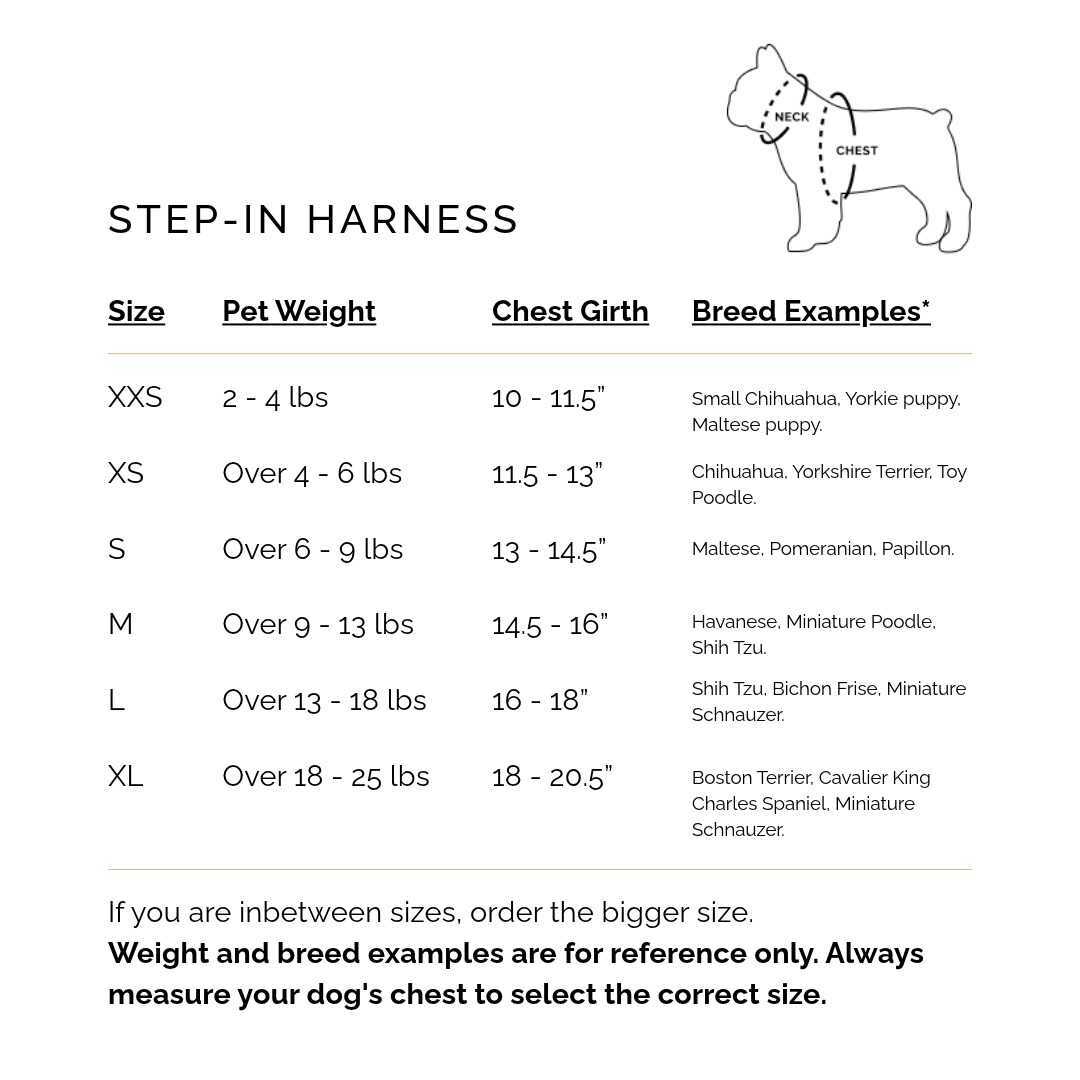
The collection is intended for tiny dogs up to around 10 pounds. The puppy harness is offered in XXS, XS, and S options, with the product page listing approximate weight ranges of 2–4 pounds, 4–6 pounds, and 6–9 pounds respectively. These ranges are a guide, not a replacement for measuring your puppy.
Lightweight Construction
One of the defining details of the DOGISTRY Puppy Harness is its lightweight construction. DOGISTRY describes its specially designed rear buckle as 50% lighter than the buckle used on its original SoHo harness.
For a small puppy, reducing unnecessary bulk can make a difference in how walking equipment feels. A harness should provide a secure connection point without making the puppy feel weighed down by oversized hardware.
Lightweight construction is particularly relevant during the first stages of introducing a harness. Puppies are still learning how to move naturally while wearing equipment, and a design created for their smaller proportions can make that introduction easier.
Soft, Textured Fabric
The DOGISTRY Puppy Harness features delicately textured fabric inspired by the softness of a baby's onesie. The Clouds design includes embroidered cloud details, while the Puppies Collection also offers Hearts, Bows, and Bears designs.
The fabric and visual details give the harness a distinctive appearance while keeping the focus on a product made for small dogs. Choosing a harness should begin with fit and function, but a design that owners enjoy seeing their puppy wear can make the everyday routine feel more personal.
Understanding the Step-In Design
A step-in harness is designed to be put on by guiding the dog's front paws through the appropriate openings before securing the harness. This differs from styles that must be pulled over the dog's head.
For puppies that are hesitant about objects moving over their face or ears, a step-in design may be easier to introduce. It also gives owners an opportunity to make putting on the harness part of a predictable routine.
Making Harness Time Less Stressful
Begin by placing the harness on the floor and allowing the puppy to investigate it. Reward curiosity and calm behavior. When the puppy is comfortable, gently guide the paws into the openings and secure the closure according to the product instructions.
Avoid forcing the puppy into position. If they pull away, pause and try again later. A few short, positive introductions are often more useful than one long session that leaves the puppy frustrated.
The DOGISTRY Puppy Harness includes an easy-click, one-button release. This is intended to make putting the harness on and taking it off more convenient for owners.
Building a Consistent Routine
Puppies benefit from predictable experiences. Using the same calm sequence before walks can help them understand what happens next. For example, an owner might bring out the harness, allow a brief sniff, reward the puppy, secure the harness, and then attach the leash.
Keep the routine relaxed. The goal is not to make the puppy hurry outside but to help them become comfortable with each step. Over time, the harness can become a familiar part of getting ready for an outing.
Front and Rear Leash Attachments
The DOGISTRY Puppy Harness includes front and rear leash attachment options. These provide flexibility for different walking situations and training approaches.
The front attachment is designed to help gently redirect pulling. When a puppy moves forward with tension on the leash, a front connection can guide their direction rather than simply allowing them to continue pulling straight ahead. This feature can support leash training, but it does not replace teaching calm walking behavior.
The rear attachment offers another connection point for everyday walks. Owners can select the attachment that best suits their puppy's needs and their training guidance.
Introducing Leash Skills Gradually
A puppy does not automatically understand how to walk on a leash. They may stop, sit, turn around, or become distracted. These behaviors are a normal part of learning about the world.
Start in a quiet, familiar area and allow the puppy to become comfortable with the leash. Reward them for walking near you and responding to gentle guidance. Keep the leash experience positive rather than using it to force the puppy forward.
If pulling becomes a regular concern, consider working with a qualified positive-reinforcement trainer. The front attachment can be one useful part of the setup, but good leash manners develop through consistency and practice.
How to Choose the Correct Puppy Harness Size
Sizing is one of the most important steps when selecting a puppy harness. A harness that is too loose may allow a puppy to slip out, while one that is too tight may restrict movement or create uncomfortable pressure.
DOGISTRY recommends measuring the puppy's chest and neck and comparing those measurements with the size chart on the product page. Weight and breed can provide context, but measurements should guide the final decision.
Measure the Chest
Use a flexible measuring tape to measure around the widest part of the puppy's chest, usually just behind the front legs. Keep the tape comfortably close to the body without pulling it tight.
Record the measurement and compare it with the harness size chart. Avoid estimating based on appearance alone, because puppies of the same breed or weight can have different body proportions.
Measure the Neck
Measure around the neck as directed by the product's size guide. Keep the tape in a natural position and avoid compressing the puppy's fur or skin.
Even though the harness is designed around the chest and body, checking the neck measurement can help you understand the puppy's proportions and select the appropriate size.
Recheck the Fit as Your Puppy Grows
Puppies can change size quickly. A harness that fits well today may need to be reassessed as the puppy grows. Make checking the fit a regular part of your walking routine, especially during periods of rapid development.
Look for signs that the harness is sitting incorrectly, including rubbing, restricted movement, excessive looseness, or difficulty securing the closures. Always check the fit before attaching the leash and beginning a walk.

Four Designs for a Puppy’s First Adventures
The DOGISTRY Puppies Collection introduces four playful designs: Clouds, Hearts, Bows, and Bears. Each design features the collection's soft textured fabric and embroidered details.
Clouds
The Clouds design offers a gentle, sky-inspired look. Its embroidered details create a soft visual style that works well for owners who prefer a light, understated appearance.
Hearts
The Hearts design brings a sweet, playful detail to a puppy's walking essentials. It is a charming choice for owners who enjoy a more expressive pattern.
Bows
The Bows design adds a delicate decorative touch while retaining the collection's small-dog-focused construction.
Bears
The Bears design brings a friendly, whimsical look to the harness collection. It gives puppy parents another option when choosing a style that reflects their dog's personality.
The design is a matter of preference. The most important considerations remain correct sizing, comfortable positioning, and secure use.
Introducing Your Puppy to the Harness Indoors
A puppy's first harness experience does not need to happen immediately before a walk. In fact, introducing the harness indoors can help reduce distractions and give the puppy time to understand the new sensation.
Start with a short introduction. Place the harness nearby, reward the puppy for approaching it, and allow them to sniff it. When they seem relaxed, practice putting it on for a brief period.
Keep the First Sessions Short
Do not expect a puppy to wear a new harness for an extended period right away. Begin with a few minutes and gradually build familiarity. If the puppy becomes uncomfortable, remove the harness and try again later.
Pair the Harness With Positive Experiences
Offer praise, treats, or a favorite activity when the puppy remains calm. This helps create a positive association with the harness.
Practice Before Going Outside
Once the puppy is comfortable wearing the harness indoors, attach the leash and allow a few minutes of supervised movement in a safe area. This gives both puppy and owner a chance to become familiar with the setup before dealing with outdoor distractions.
Caring for the DOGISTRY Puppy Harness
Walking equipment should be checked and maintained regularly. Dirt, moisture, and everyday use can affect the appearance and condition of a harness over time.
DOGISTRY states that its puppy harnesses are machine washable. The recommended care is a gentle cycle with cold water, followed by air drying. Avoid tumble drying to help maintain the fabric's softness, shape, and fit.
Before washing, check the product's current care instructions and make sure the harness is secured appropriately. After cleaning, allow it to dry completely before using it again.
It is also useful to inspect the closures, leash attachment points, and fabric regularly. If any part appears damaged or no longer functions properly, stop using the harness until it has been replaced or appropriately addressed.
When Is It Time to Replace a Puppy Harness?
Puppies grow, and their walking equipment may need to change with them. A harness should not be kept simply because it was purchased recently or because it still looks attractive.
Reassess the fit whenever the puppy grows noticeably. If the harness becomes difficult to close, sits too tightly, shifts excessively, or no longer provides a secure fit, it may be time to move to another size or style.
The DOGISTRY Puppies Collection is intended for small dogs up to around 10 pounds. DOGISTRY recommends exploring its signature SoHo Step-In Harness Collection for puppies and dogs over that weight range, while still checking the measurements and product size chart.
Creating Better First-Walk Experiences
A puppy's first walks are about much more than reaching a destination. They are opportunities to explore new surfaces, hear unfamiliar sounds, experience different environments, and learn how to move comfortably beside their owner.
A well-fitted harness can help make these experiences more organized. The DOGISTRY Puppy Harness brings together a step-in format, lightweight construction, front and rear leash attachments, and small-dog-focused proportions.
Owners can support those features by keeping early outings short, choosing manageable environments, and rewarding calm behavior. There is no need to rush the process. A puppy's confidence develops through repeated, positive experiences.
Frequently Asked Questions About Puppy Harnesses
Is the DOGISTRY Puppy Harness made for small puppies?
Yes. DOGISTRY describes the Puppies Collection as designed for tiny dogs up to around 10 pounds, with smaller proportions and lightweight hardware.
What sizes are available?
The puppy harness product page lists XXS, XS, and S, with approximate weight ranges of 2–4 pounds, 4–6 pounds, and 6–9 pounds. Always compare your puppy's measurements with the current size chart before ordering.
Does the harness go over the puppy's head?
No. The Puppy Harness uses a step-in design, so the puppy does not need to have the harness pulled over its head.
Does it have a front leash attachment?
Yes. DOGISTRY describes front and rear leash attachment options. The front attachment is designed to help gently redirect pulling.
Can the puppy harness be washed?
DOGISTRY recommends machine washing the puppy harness on a gentle cycle with cold water and allowing it to air dry. Avoid tumble drying.
How often should I check the fit?
Check the fit before walks and reassess it regularly as your puppy grows. A harness that fit comfortably a few weeks ago may no longer be suitable.
Final Thoughts
A puppy's first harness is part of the beginning of a lifelong routine of walks, exploration, and shared experiences. Choosing a design that is appropriately sized, comfortable, and easy to use can help make those early moments more enjoyable for both the puppy and the person holding the leash.
The DOGISTRY Puppy Lightweight Step-In Harness was created for tiny frames, with delicately textured fabric, lightweight hardware, an easy-click closure, and front and rear leash attachments. Its Clouds, Hearts, Bows, and Bears designs offer different looks while keeping the focus on the needs of small dogs.
Most importantly, remember that a harness works best when it fits correctly and is introduced patiently. Measure your puppy, check the fit as they grow, supervise every walk, and make each new experience positive. With thoughtful preparation, those first little steps can become the start of many wonderful adventures.