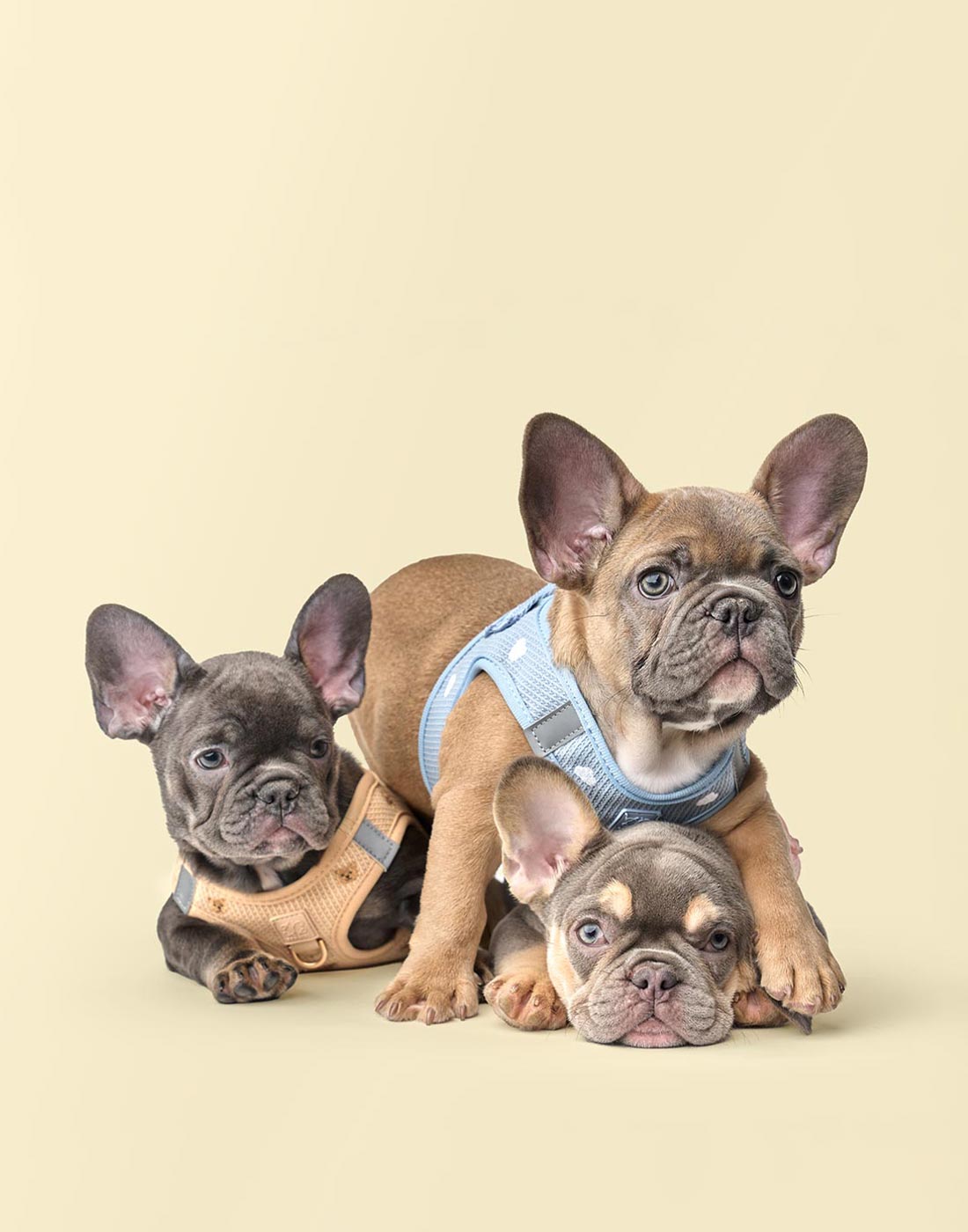
A puppy's first collar is often one of the first accessories a new dog owner chooses. It may be a simple item, but it becomes part of the puppy's daily routine and can help owners keep important identification information close at hand. Choosing the right collar means considering more than color or appearance. Size, weight, comfort, and proper use all matter.
Puppies have delicate proportions, and a collar designed for a larger dog may feel unnecessarily bulky around a tiny neck. A collar that is too loose may slip off, while one that is too tight can cause discomfort. Since puppies grow quickly, the fit also needs regular attention.

The DOGISTRY Lightweight Puppy Collar was created for the smallest members of the DOGISTRY family. Available in XS, it features delicately textured fabric, soft padded neoprene lining, and embroidered designs that coordinate with the Puppies Collection. It is intended for puppies approximately 3–10 pounds, with a recommended neck circumference of 9–11 inches. Measuring the puppy's neck before ordering is essential.
Why a Puppy’s First Collar Deserves Careful Selection
A collar can serve several everyday purposes. It can hold an identification tag, provide a familiar accessory for the puppy, and help owners maintain a consistent routine when getting ready to go outside.
However, a collar should never be selected based only on the puppy's current appearance. Two puppies with similar weights may have different neck measurements, and breeds can vary considerably in body shape. Measuring is more reliable than guessing.
A puppy's collar should sit comfortably without squeezing the neck or moving so loosely that it can slip over the head. Owners should be able to check the fit easily and make adjustments to their routine as the puppy grows.
A Collar Is Not a Substitute for Supervision
A collar can be useful for identification and everyday handling, but it does not replace responsible supervision. Puppies should be monitored when wearing accessories, particularly during play, crate time, or situations where the collar could catch on something.
For leash walks, owners should use equipment appropriate for the puppy and follow safe handling practices. A collar is not automatically the best point of attachment for every puppy. A properly fitted harness may be more suitable for walking, especially when a puppy is still learning leash skills.
The DOGISTRY puppy collar can be considered part of a puppy's everyday accessory collection, while walking equipment should be selected according to the puppy's size, training stage, and individual needs.
Designed for Tiny Necks
DOGISTRY created its Puppies Collection with smaller proportions and lightweight materials. The puppy collar is available exclusively in XS, reflecting its purpose as a first collar for tiny dogs.
The product page lists an approximate weight range of 3–10 pounds and a neck circumference of 9–11 inches. These figures are useful starting points, but owners should always measure the puppy before ordering.
Why Lightweight Construction Matters
A collar that feels comfortable on a larger dog may be too bulky for a very small puppy. Hardware and fabric should be proportionate to the dog's size so the accessory does not feel unnecessarily heavy.
DOGISTRY describes its puppy collar as lightweight by design, created for tiny necks without unnecessary bulk. This makes the product distinct from simply choosing the smallest available size of a standard adult collar.
Soft Padded Neoprene Lining
The DOGISTRY Puppy Collar features soft, padded neoprene lining. The lining is intended to provide a gentle, cushioned feel against the puppy's neck.
Comfort is especially important during the first stages of wearing a collar. A puppy may initially notice the sensation of something around the neck and try to scratch or rub against it. A thoughtfully designed lining can contribute to a more comfortable experience, although proper sizing and regular checks remain essential.
Finding the Correct Collar Size
A collar should fit securely without restricting the puppy's movement or breathing. Because the DOGISTRY Puppy Collar is offered in XS, measuring the neck is particularly important before purchasing.
Step One: Prepare a Flexible Measuring Tape
Use a soft measuring tape that can comfortably follow the shape of the puppy's neck. If you do not have one, a piece of string can be used and then measured against a ruler.
Keep the puppy calm and allow them to stand naturally. Avoid pulling the tape tightly or compressing the fur.
Step Two: Measure the Neck
Follow the measurement guidance on the DOGISTRY product page. Position the tape around the neck where the collar is intended to sit, keeping it level and comfortably close to the body.
Record the measurement carefully. The puppy collar product page lists a neck circumference of 9–11 inches, so compare your measurement with the current listing before making a decision.
Step Three: Consider the Puppy’s Growth
Puppies can grow quickly, and their neck measurements may change over a short period. A collar that fits today may need to be reassessed as the puppy develops.
Do not purchase a collar that is excessively loose simply to allow for future growth. A loose collar may create safety concerns. Choose a suitable current fit and check it regularly.
Step Four: Check the Fit Frequently
After putting the collar on, check that it sits comfortably and does not rub or restrict the puppy. Look for signs of irritation, hair loss, redness, or repeated attempts to scratch at the collar.
If the puppy seems uncomfortable, remove the collar and reassess the size and positioning. When in doubt, consult a veterinarian or qualified pet professional for guidance.
Four Playful Designs in the DOGISTRY Puppies Collection
The DOGISTRY Puppy Collar is part of a coordinated collection featuring four designs: Clouds, Hearts, Bows, and Bears. Each option combines the collection's soft textured fabric with embroidered details.
Clouds: A Soft, Calm Look
The Clouds design offers a light, gentle appearance. Its embroidered details create a playful style without making the accessory look overly busy.
Hearts: A Sweet Everyday Detail
The Hearts design brings a warm, cheerful touch to a puppy's accessories. It is a charming option for owners who enjoy a more expressive design.
Bows: A Delicate Finish
The Bows design adds a decorative detail that gives the collar its own personality. It can be a lovely choice for owners who prefer a softer, more delicate look.
Bears: A Whimsical Choice
The Bears design features a playful theme that suits the curious personality of a young dog. It offers another way to coordinate a puppy's everyday accessories.
The designs are a matter of personal preference. The right choice is the one that appeals to the owner while meeting the puppy's sizing and comfort needs.
Helping a Puppy Get Used to Wearing a Collar
Some puppies accept a collar quickly, while others need time. A new sensation around the neck can feel unfamiliar, so the introduction should be calm and gradual.
Begin by allowing the puppy to sniff the collar. Reward relaxed curiosity and avoid placing it on the puppy before they have had an opportunity to investigate.
Start With Short Periods
Once the puppy seems comfortable, put the collar on for a brief, supervised period. Offer praise and a positive activity. Remove it after a short time and repeat the process later.
Gradually increase the amount of time the puppy wears the collar if they remain relaxed. There is no need to force the process or leave the collar on for long periods immediately.
Watch the Puppy’s Body Language
A puppy may scratch at the collar, shake their head, or try to rub against furniture when first wearing it. These reactions may simply reflect unfamiliarity, but they can also indicate discomfort or an unsuitable fit.
Check the positioning and remove the collar if the puppy appears distressed. If irritation continues, consult a veterinarian.
Create a Positive Association
Pair collar time with pleasant experiences, such as praise, treats, or a calm play session. The goal is to help the puppy understand that wearing the collar is a normal and positive part of daily life.
Keep each introduction simple. A few short sessions can be more effective than expecting the puppy to accept the collar immediately.
Using a Collar for Identification
One of the practical reasons owners choose a collar is to carry identification information. A properly attached identification tag can help someone contact the owner if a puppy becomes separated from them.
Before attaching a tag, check that the collar's hardware and construction are appropriate for the tag's size and weight. Avoid adding unnecessary accessories that could make the collar cumbersome for a tiny puppy.
Keep identification details current. If your phone number or other contact information changes, update the tag as soon as possible.
A collar and identification tag can be useful, but they should not be treated as a replacement for microchipping or other responsible identification measures. Ask your veterinarian about appropriate identification options for your puppy.
Collar or Harness: Understanding the Difference
A collar and a harness serve different purposes. A collar sits around the neck and is commonly used for identification and everyday accessories. A harness fits around the body and provides a leash attachment point across the puppy's torso.
For a puppy learning to walk, a harness may be a practical choice because it avoids relying solely on the neck as the point of leash connection. The DOGISTRY Puppy Harness is designed with front and rear leash attachments, while the Puppy Collar is designed as a lightweight accessory for tiny necks.
Owners do not necessarily need to choose one item instead of the other. Each can have a place in a well-planned puppy care routine, provided both are correctly sized and used appropriately.
When a Collar Is Useful
A collar can carry an identification tag and help make the puppy's everyday accessories easy to recognize. It can also become part of the puppy's routine as they learn to accept wearing basic equipment.
When a Harness Is Useful
A harness provides a body-based leash connection and can be helpful during early walking practice. DOGISTRY's Puppy Harness includes front and rear attachment options, giving owners flexibility for different walking situations.
Choosing the Right Setup
Consider the puppy's age, size, behavior, and training needs. For walks, use equipment that fits securely and allows comfortable movement. For identification, ensure the collar is appropriately fitted and the tag is safely attached.

Caring for the DOGISTRY Puppy Collar
Regular care helps keep a puppy's collar in good condition. Check the fabric and lining for dirt, moisture, or signs of wear. If the collar becomes dirty, follow the care instructions provided on the current DOGISTRY product page.
Allow the collar to dry completely if it becomes wet. Inspect the hardware and attachment points regularly, and stop using the collar if any part becomes damaged or unreliable.
Avoid using harsh cleaning products unless the manufacturer specifically recommends them. Gentle care can help preserve the appearance and feel of the fabric.
When Should a Puppy Move to a Larger Collar?
The DOGISTRY Puppy Collar is designed as a first collar for tiny dogs and is available only in XS. As a puppy grows, the collar may no longer provide an appropriate fit.
DOGISTRY recommends exploring its signature City Collar Collection as puppies grow, since that collection offers additional sizes. Owners should still measure the dog's neck and compare it with the size chart for the next collar.
Do not wait until a collar becomes uncomfortable before checking the fit. Regular measurement makes it easier to recognize when the puppy is ready for a different size.
Making the First Collar Part of Everyday Care
A collar can become a familiar part of a puppy's routine when it is introduced patiently and used consistently. Put it on calmly, check the fit, and monitor the puppy's comfort.
Avoid leaving a collar on without considering the puppy's environment. During unsupervised play or situations where the collar could catch, follow appropriate safety guidance. A veterinarian can help answer questions about when a puppy should wear a collar and when it should be removed.
Frequently Asked Questions About Puppy Collars
What size is the DOGISTRY Puppy Collar?
The DOGISTRY Lightweight Puppy Collar is available in XS. Its product page lists an approximate weight range of 3–10 pounds and a neck circumference of 9–11 inches. Measure your puppy before ordering.
Is the puppy collar lightweight?
Yes. DOGISTRY describes it as lightweight and designed for tiny necks without unnecessary bulk.
What is the collar lined with?
The product page describes a soft, padded neoprene lining designed to provide a cushioned feel.
What designs are available?
The Puppies Collection includes Clouds, Hearts, Bows, and Bears designs.
Can the collar be used instead of a harness for walks?
A collar and harness serve different purposes. For leash walking, consider a properly fitted harness and follow appropriate training guidance. The collar can be used for identification and everyday wear when safely fitted.
When should my puppy move to a larger collar?
Recheck the fit regularly as your puppy grows. DOGISTRY recommends exploring its City Collar Collection as the puppy outgrows the XS puppy collar. Always compare neck measurements with the current size chart.
Final Thoughts
A puppy's first collar is a small but meaningful part of welcoming a new dog into the family. It can carry identification, become familiar through daily routines, and add a personal touch to the puppy's accessories. Choosing the right one means prioritizing fit and comfort before appearance.
The DOGISTRY Lightweight Puppy Collar is designed for tiny necks, with an XS size, soft padded neoprene lining, lightweight construction, and four embroidered design options. It offers puppy parents a coordinated accessory created specifically for the smallest members of the DOGISTRY family.
Measure carefully, monitor the fit as your puppy grows, and introduce the collar gradually. When the puppy is ready for a larger size, explore an appropriate next option rather than keeping an outgrown collar in use. Thoughtful choices at the beginning can help make everyday care more comfortable and consistent.