Ready for Every Walk: The DOGISTRY Guide to Poop Bags and Waste Bag Holders
Taking a dog outside brings plenty of enjoyable moments, from familiar neighborhood routes to new places worth exploring. It also comes with a simple responsibility: cleaning up after your dog and leaving shared spaces pleasant for everyone.
The easiest way to manage cleanup is to prepare before leaving home. Having bags ready, knowing where they are stored, and checking the supply regularly can prevent the frustration of discovering that the last bag was used on a previous walk.
DOGISTRY offers waste bag holders and refill options designed to make this routine more organized. With the right preparation habits, cleanup can become a straightforward part of responsible dog ownership rather than an afterthought.

Why Preparation Matters
Dog waste should be collected promptly and disposed of according to local rules. Leaving it behind can create unpleasant conditions for other people, contribute to contamination, and make shared walking areas less enjoyable.
Carrying bags is a simple step that helps owners take responsibility wherever they go. A reliable routine is particularly useful when walking in residential neighborhoods, parks, sidewalks, and other places where people and pets share the same space.
Preparation also reduces last-minute decisions. Instead of searching for a bag when your dog needs one, you can keep supplies in a predictable place and check them before every outing.
The DOGISTRY Waste Bag Holder
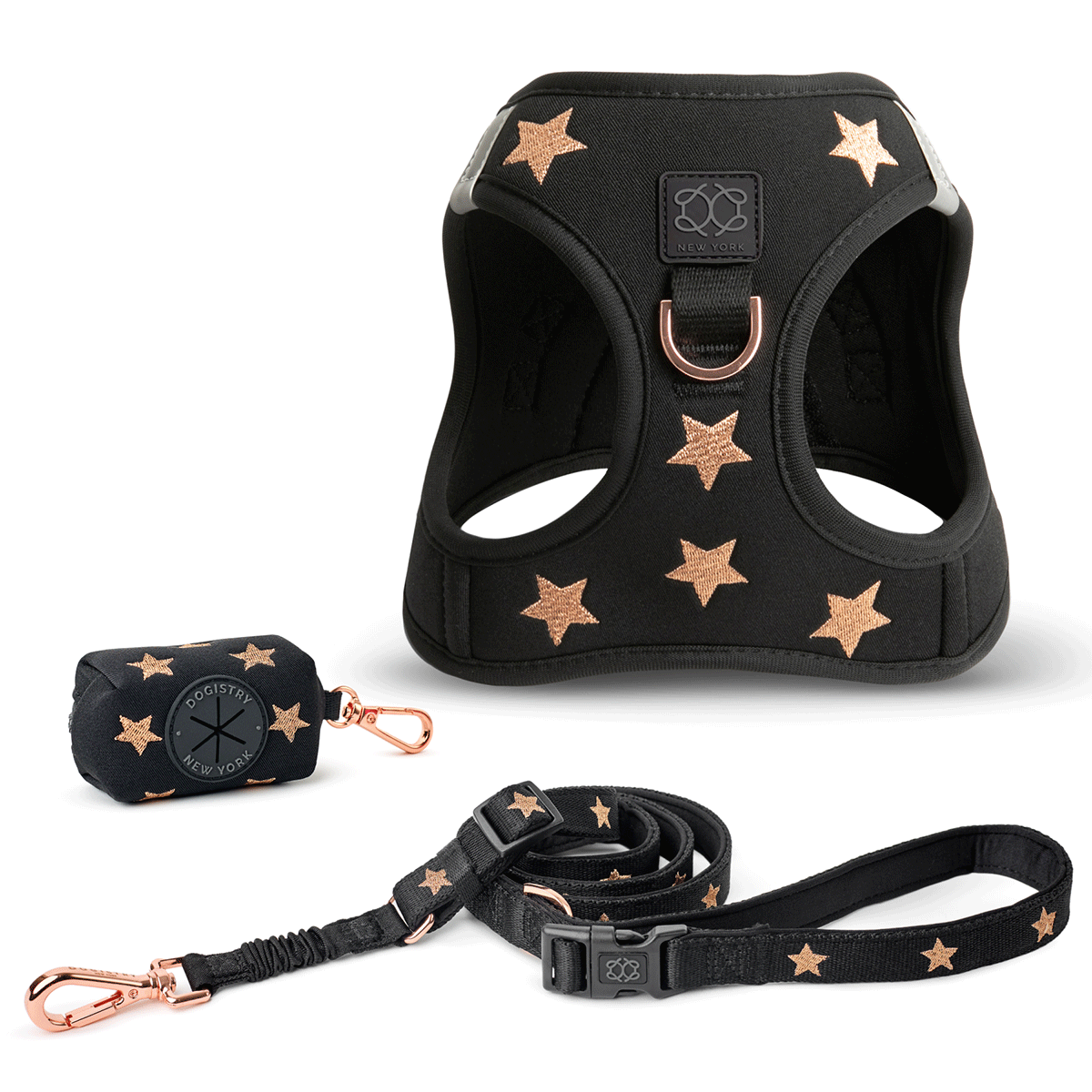
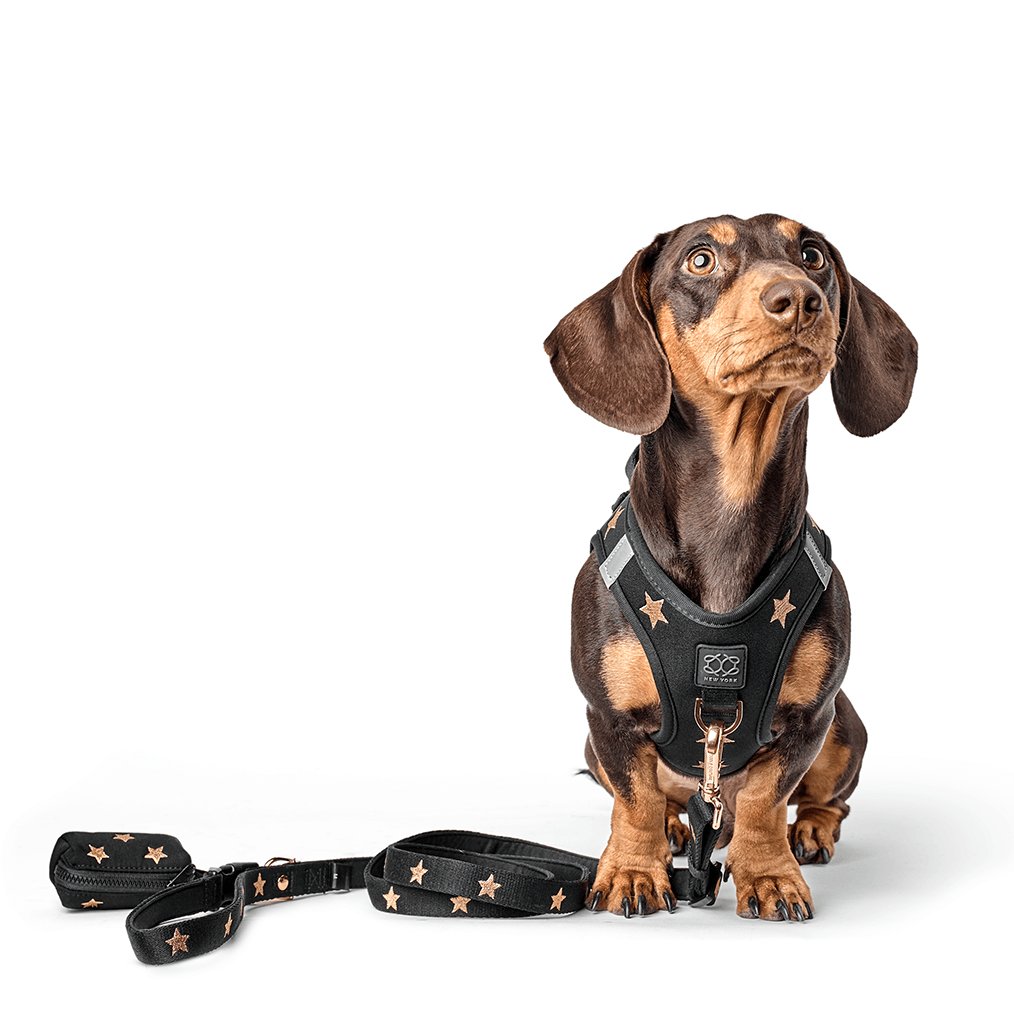
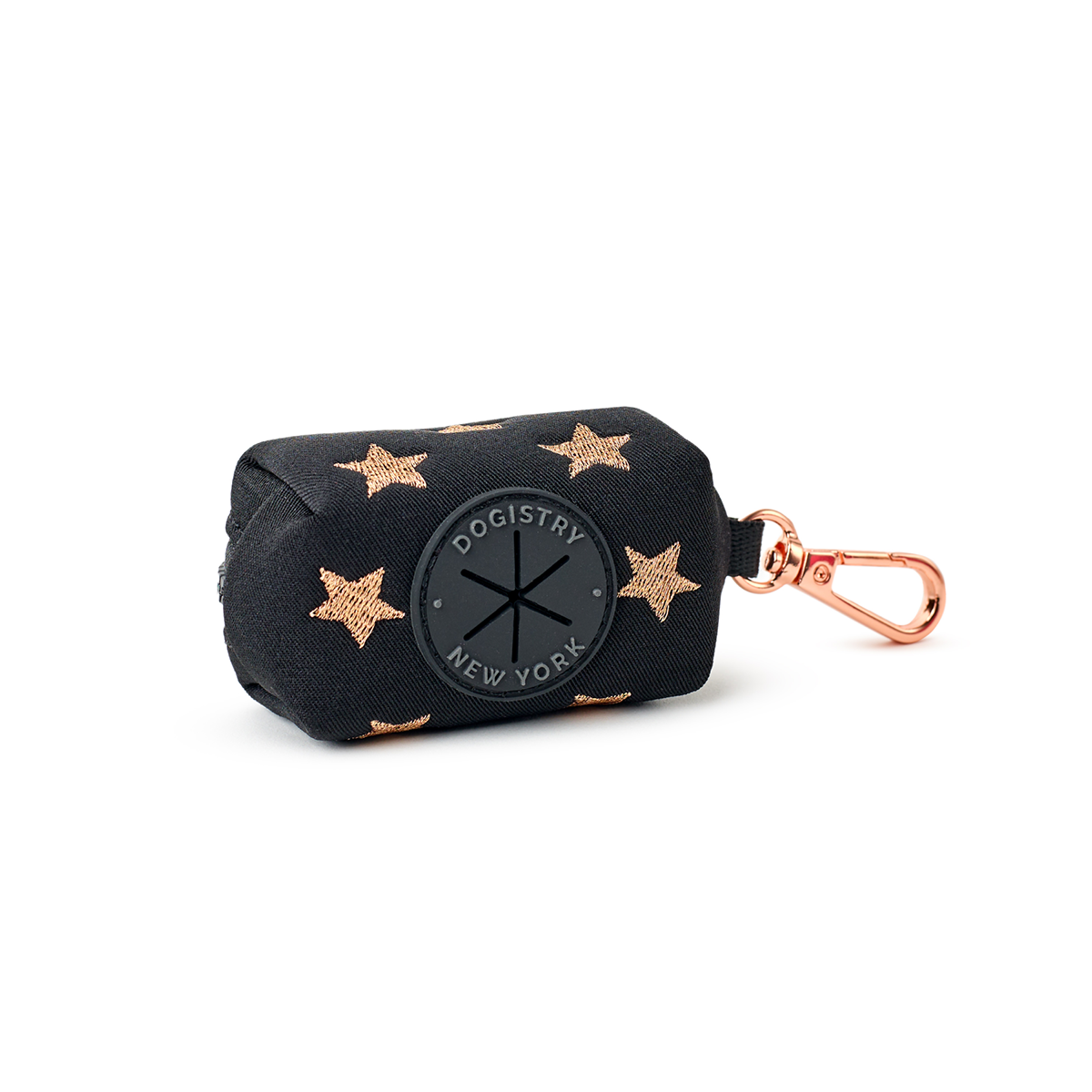
The DOGISTRY Waste Bag Holder is designed to keep waste bags close at hand while maintaining a compact, polished appearance. The product is described as using premium fabric and a metal clasp that can attach to a suitable leash or bag.
Its compact dimensions are approximately three inches by two and a half inches by two inches, with a design intended to accommodate standard waste bag rolls. A bonus roll has been included with some product listings, but buyers should verify the current listing to confirm exactly what comes with their purchase.
A dedicated holder can make it easier to keep bags organized and accessible. Rather than carrying a loose roll in a pocket or bag, owners have one designated place to store the supply.
A Dedicated Place for Your Bags
When supplies have a consistent location, they are easier to check and replenish. A holder creates a simple system: the roll stays inside the dispenser, and the dispenser stays with the walking essentials.
This arrangement is useful for people who walk their dogs several times each day. The less often you have to search for a bag, the easier it is to maintain a consistent cleanup habit.
Compact Design for Everyday Carrying
A waste bag holder should be easy to carry without adding unnecessary bulk. DOGISTRY's compact design is intended to keep supplies accessible while maintaining a streamlined appearance.
Before attaching the holder, consider where it will sit and whether it can swing into your hand or other equipment. Choose a secure attachment point and make sure the holder does not interfere with your grip or create a snagging hazard.
A Clasp for Convenient Attachment
The holder's metal clasp is designed to attach to a suitable leash or bag. Before each outing, check that the clasp is fully closed and that the holder remains secure when you move.
Do not attach it where it could interfere with leash handling, catch on nearby objects, or create a risk for your dog. If the clasp becomes damaged or unreliable, stop using it until it can be replaced.
Choosing the Right Waste Bag Refills
The usefulness of a holder depends on having compatible refills ready when needed. Standard-sized rolls can make replacement simpler, but owners should confirm compatibility with their specific dispenser before purchasing.
DOGISTRY has offered refill packs described as containing 120 bags across eight rolls, made from recycled materials. Product quantities, materials, and availability may change, so check the current refill listing for the exact details before ordering.
Look for Reliable Dispensing
A useful waste bag should separate cleanly from the roll and open without unnecessary difficulty. Easy-tear perforations can make dispensing more convenient, especially when you are outdoors and need to work quickly.
Test the roll when you first load it into the holder. Make sure the bags feed through the opening properly and that the roll is oriented according to the product instructions.

Consider Leak Protection
Bag strength matters because the purpose of a waste bag is to contain waste during collection and disposal. Choose bags designed for the intended task and check the manufacturer's description for details about leak resistance and material.
No bag should be assumed to be indestructible. Avoid overfilling it, keep sharp objects away from the roll, and use an appropriate bag size for the task.
Understand the Material Claims
DOGISTRY's refill bags have been described as being made from recycled materials. If material composition is important to your purchasing decision, read the current product description to confirm the specific claim and any additional information provided.
Recycled content and disposal instructions are separate considerations. Do not assume that a bag is compostable or suitable for home composting simply because it contains recycled material.
How to Refill a Waste Bag Holder
Refilling takes only a short time, but doing it before the roll is empty can prevent an avoidable interruption. A simple procedure also reduces the chance of loading the roll incorrectly.
Step One: Open the Holder
Open the dispenser according to its design. Avoid forcing a closure or pulling sharply on fabric or hardware, since this can cause damage.
If the opening feels difficult to operate, inspect it and consult the product instructions. A holder should be handled in a way that preserves its structure and fastening components.
Step Two: Insert the Roll
Place a compatible refill roll into the holder and orient it so that the bags can be dispensed through the intended opening. If the roll has a cardboard core or a particular orientation requirement, follow the manufacturer's guidance.
Do not force an oversized roll into a compact holder. Using a compatible size can help the roll move freely and reduce unnecessary strain on the dispenser.
Step Three: Feed the First Bag Through
Pull the first bag through the dispensing opening gently. Leave enough material accessible to make it easy to grasp on the next outing, without pulling out multiple bags unnecessarily.
Close the holder securely and test the dispensing process before leaving home. A quick check can reveal an incorrectly loaded roll before you need it.
Step Four: Check the Remaining Supply
Once the roll is installed, consider how many bags remain and whether you need to carry a spare. If you walk frequently, make refilling part of a regular household routine instead of waiting until the supply is exhausted.
A small amount of preparation can prevent the inconvenience of discovering an empty holder away from home.
Build a Reliable Cleanup Routine
The best cleanup system is one that becomes part of your everyday habits. A few consistent steps can make it easier to leave the house prepared without turning the process into a complicated checklist.
Keep Supplies Near the Exit
Choose a dedicated location for waste bag refills near the place where you normally prepare for walks. This might be a small basket, drawer, or shelf where supplies remain dry and easy to find.
Keep the holder with your other walking essentials so it is less likely to be forgotten. Consistency is more important than the exact location.
Refill Before You Run Out
Do not wait until the final bag before checking the holder. If the roll is nearly empty, replace it before the next outing and put the next refill where you can find it easily.
This habit is particularly helpful when schedules are busy or several people in the household take turns walking the dog. A quick supply check reduces uncertainty for everyone.
Carry Enough for the Outing
The number of bags you need depends on the duration of the walk and your dog's usual routine. For longer outings, consider carrying an additional roll or spare bags in a secure location.
Avoid assuming that one bag will always be enough. Having a small reserve can be useful when an unexpected situation arises or a bag tears during collection.
Responsible Cleanup in Shared Spaces
Carrying a bag is only the first step. Owners should also use it properly and dispose of the collected waste in accordance with local requirements.
Collect Waste Promptly
Use the bag to collect the waste without unnecessary contact, then turn the bag inside out as appropriate and secure it for disposal. Follow the instructions provided by the bag manufacturer and local waste rules.
Avoid leaving a filled bag beside a path or in a public area. If a bin is not immediately available, carry the sealed bag until you reach an appropriate disposal point.
Respect Local Rules
Waste disposal requirements can vary between municipalities, parks, apartment communities, and other shared spaces. Some locations provide dedicated bins, while others require owners to carry waste to an approved container.
Check posted signs and follow the rules of the place you are visiting. Responsible disposal is part of being considerate toward other people and protecting shared environments.
Maintain Hygiene After Cleanup
Avoid touching unnecessary surfaces while handling a waste bag. If possible, use a suitable handwashing facility after disposal; when one is not available, a portable hygiene product can be useful as an additional precaution.
Keep used bags separate from clean supplies. If a holder becomes contaminated, clean it according to its care instructions and allow it to dry fully before reuse.
Organizing Waste Bags at Home
A small storage system can make supplies easier to manage and help prevent last-minute shortages. Store unused rolls in a clean, dry place away from excessive heat, moisture, or sharp objects.
Create a Refill Station
Choose one place for spare rolls and the holder when it is not being used. A consistent location helps everyone in the household know where supplies belong.
Keep new rolls separate from used or contaminated items. This simple distinction supports a cleaner and more predictable routine.
Track Usage Without Overcomplicating It
You do not need an elaborate inventory system to manage waste bags. A quick visual check of the remaining rolls is often enough to tell you when it is time to reorder.
If your household walks a dog multiple times daily, consider checking supplies on a set day each week. A regular review can prevent running out unexpectedly.
Plan for Trips and Longer Walks
Before traveling, check the number of bags you have and pack enough for the expected duration. Bring extra supplies for unfamiliar routes where bins may be less convenient to find.
Keep refills in a clean pouch or compartment so they remain protected. When you return home, replenish the holder and put unused rolls back in their designated storage area.
Style and Practicality in One Accessory
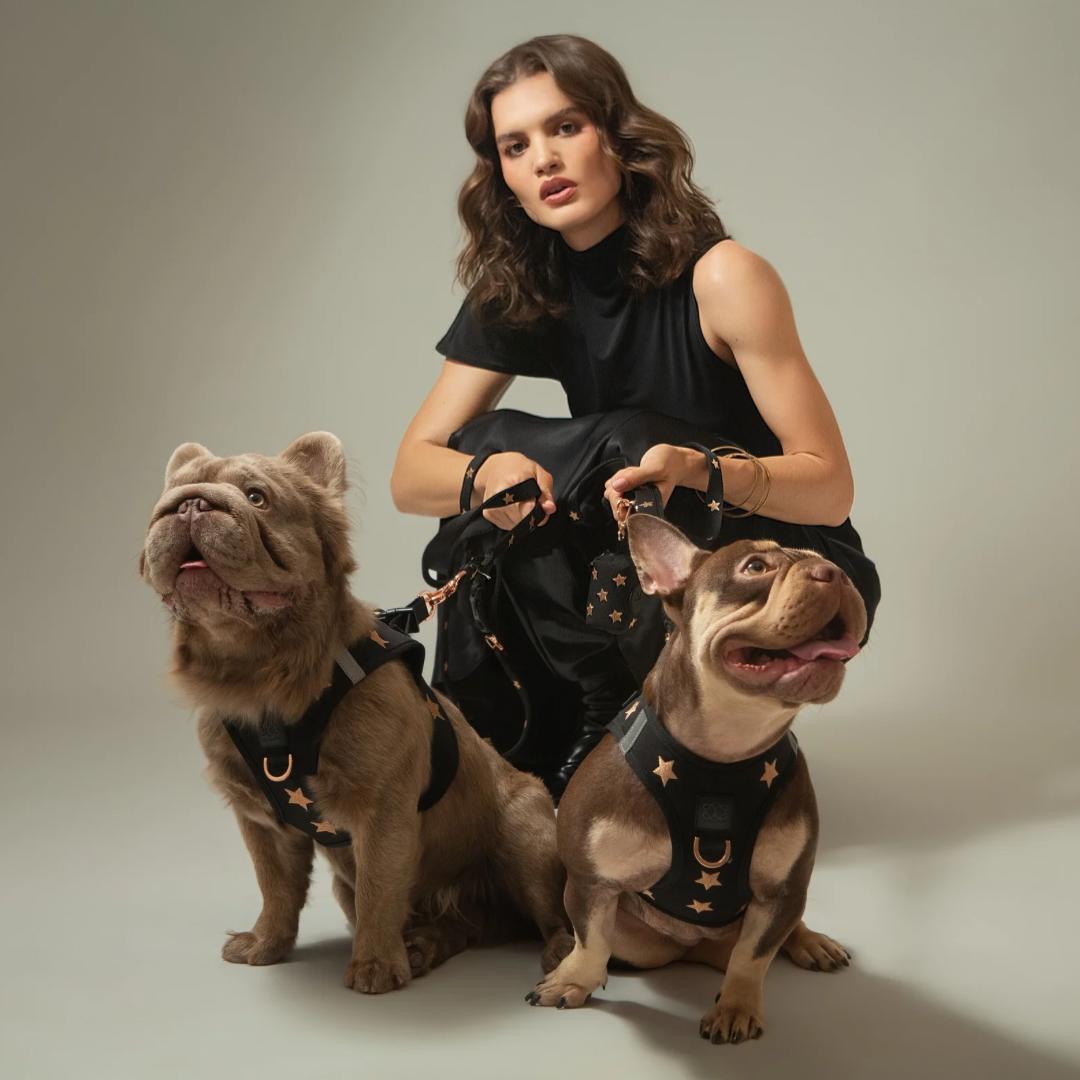
Everyday essentials do not have to look purely utilitarian. DOGISTRY's waste bag holders have been offered in a range of colors and patterns, including options that can suit different personal styles.
A neutral holder may appeal to owners who prefer a minimal look, while a distinctive pattern can add personality to an everyday accessory. Current colors and pricing should always be confirmed on the live product page.
Appearance should complement function, not replace it. The most useful holder is one that remains secure, dispenses bags reliably, and is easy to refill.
Common Waste Bag Mistakes to Avoid
One common mistake is leaving home without checking the roll. A holder may be attached and ready, but that does not guarantee that bags remain inside it.
Another mistake is choosing a refill based only on appearance or price without checking compatibility. A roll that does not fit correctly may be difficult to dispense or may not close properly inside the holder.
Owners sometimes pull out several bags at once or wait until the final bag to refill. Practicing a quick pre-walk check and replacing low rolls can reduce both problems.
Finally, never assume that every waste bag can be disposed of in every type of bin or compost system. Follow local waste rules and the manufacturer's disposal instructions.
Frequently Asked Questions
What size is the DOGISTRY Waste Bag Holder?
The product listing describes a compact holder measuring approximately three inches by two and a half inches by two inches. Confirm the current dimensions and compatibility details on the live product page.
Will standard waste bag rolls fit?
The holder is described as accommodating standard waste bag rolls. Check the current product details and confirm the dimensions of any refill you plan to use.
How many bags come in a refill pack?
DOGISTRY has listed refill packs containing 120 bags across eight rolls. Because product details can change, verify the quantity on the current listing before purchasing.
Are DOGISTRY refill bags made from recycled materials?
DOGISTRY has described its refill bags as being made from recycled materials. Consult the current product page for the latest material information and any additional environmental claims.
How often should I refill the holder?
Refill it whenever the roll is running low, ideally before the final bag is used. The right timing depends on how frequently you walk your dog and how many bags you typically use.
Final Thoughts: Make Cleanup Preparation a Habit
Responsible dog ownership includes preparing for cleanup before you leave home. A dependable supply of bags, a convenient holder, and a consistent refill routine make it easier to handle this responsibility wherever your day takes you.
DOGISTRY's waste bag holder and refill options are designed to bring convenience and thoughtful design to an everyday task. By choosing compatible supplies, inspecting the holder, and following local disposal rules, you can make cleanup a more organized part of your walking routine.
Explore the DOGISTRY waste bag holder and refill collection to prepare for your next outing. With supplies ready and a clear routine in place, you can focus more on enjoying time with your dog and less on searching for a bag when you need one.