Everyday Comfort Meets Signature Style: The DOGISTRY City Collar Guide
A collar is one of the most familiar items in a dog's everyday wardrobe. It can provide a place for identification information, contribute to a recognizable personal style, and serve as part of a responsible pet-care routine when it fits properly and is used appropriately.
Because collars are worn close to the neck, comfort and fit should always come before appearance. A collar that looks beautiful but rubs, slips, or sits too tightly is not the right choice for everyday use.
DOGISTRY's City Collar collection brings together distinctive colors, carefully considered materials, and a polished look. By understanding the details that matter most, owners can select a collar that supports their dog's comfort while adding a personal touch to their everyday essentials.

Why Collar Fit Deserves Attention
A collar needs to sit securely without squeezing the neck or irritating the skin. If it is too tight, it can cause discomfort and restrict normal movement; if it is too loose, it may slip over the dog's head or become caught on surrounding objects.
Fit can change as a dog grows, gains or loses weight, or develops a different coat. Regular checks are especially important for puppies and dogs whose body size changes over time.
A collar is not automatically suitable for every activity. Owners should follow the manufacturer's guidance about intended use and choose appropriate equipment for walking, identification, and other needs.
Discover the DOGISTRY City Collar
The DOGISTRY City Collar is designed with an emphasis on premium appearance and everyday wear. Its construction features a distinctive outer fabric and a plush padded neoprene interior intended to support a softer feel against the dog's neck.
These material choices are part of the product's design, but comfort still depends on the individual dog and the selected size. Owners should examine the collar after putting it on and watch for signs of rubbing, sensitivity, or changes in movement.
The collection includes a range of styles and colors, subject to current availability. Options have included Black, Dune, Blush, Steel, Denim, Iconic Red, Lilac Gray, Park Ave Pink, Hamptons, Rockstar, and Rockstar Hudson.
Softness Against the Neck
A padded interior can help reduce the harsh feel of a narrow, rigid surface against the neck. However, padding alone does not guarantee a perfect fit, and the collar should be checked for areas that bunch, twist, or rub during movement.
Inspect the area beneath the collar regularly, particularly after long periods of wear or exposure to moisture. If you notice irritation, hair loss, redness, or persistent scratching, remove the collar when safe to do so and assess whether a different size or design is needed.
Durable Construction for Everyday Use
A collar is handled repeatedly, fastened and unfastened, and exposed to the conditions of daily life. Materials, stitching, closures, and hardware all influence how well it holds up over time.
No collar should be considered maintenance-free. Regular inspection helps identify fraying, loose stitching, damaged fasteners, or other problems before they compromise use.
A Distinctive Outer Design
A collar is visible during everyday activities, so appearance may be important to owners who enjoy thoughtful design. DOGISTRY's City Collar collection offers different colors and patterns, making it possible to choose a look that reflects your preferences.
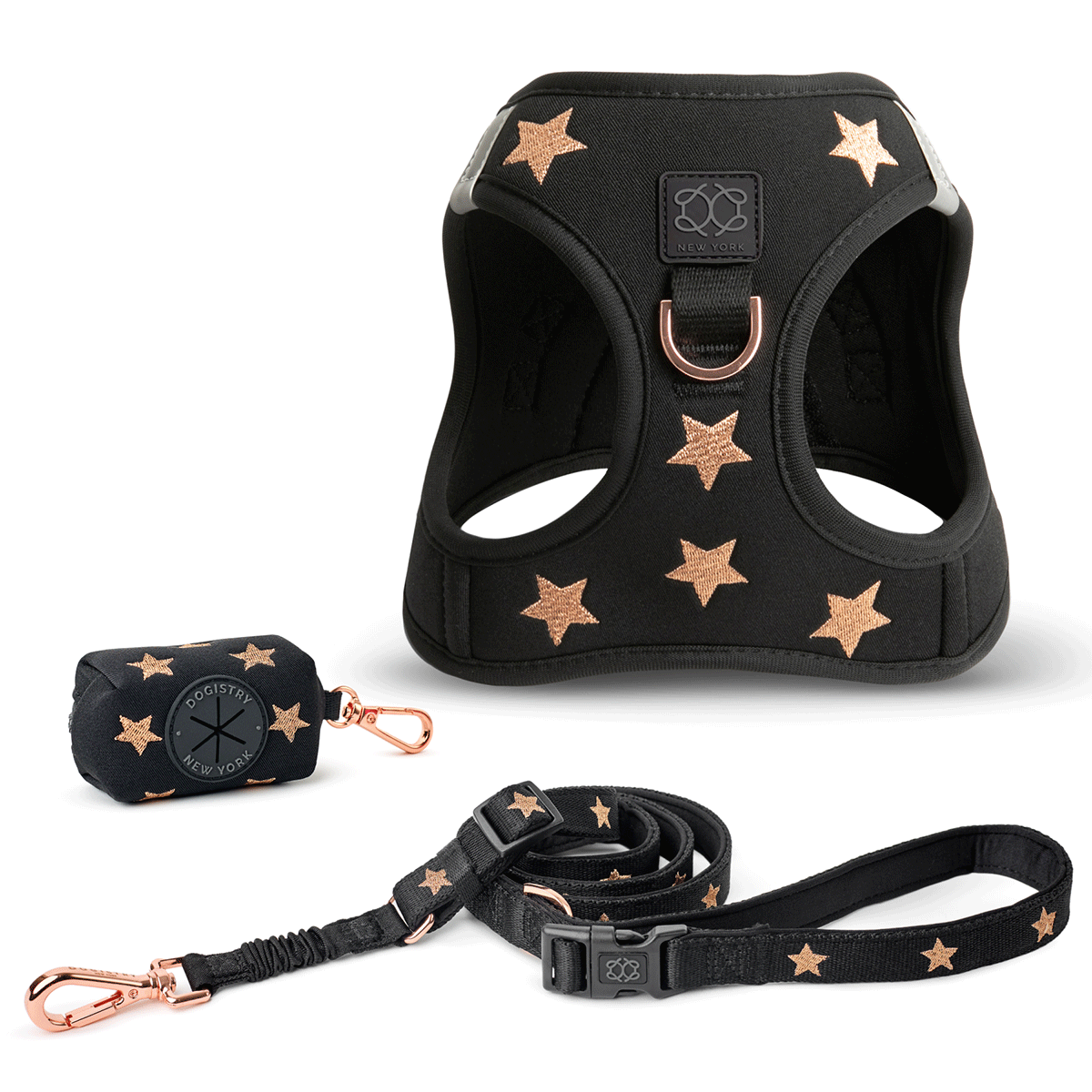
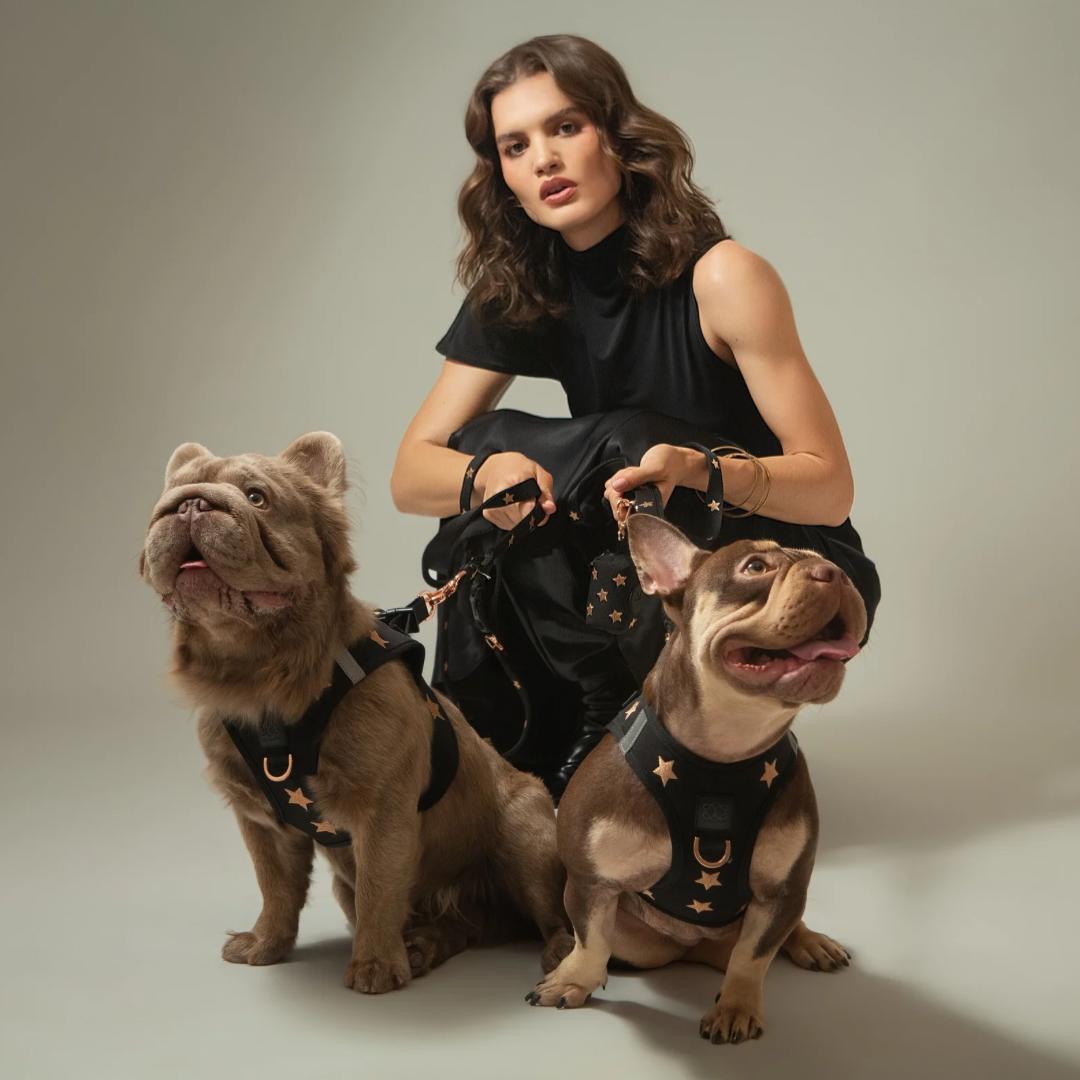
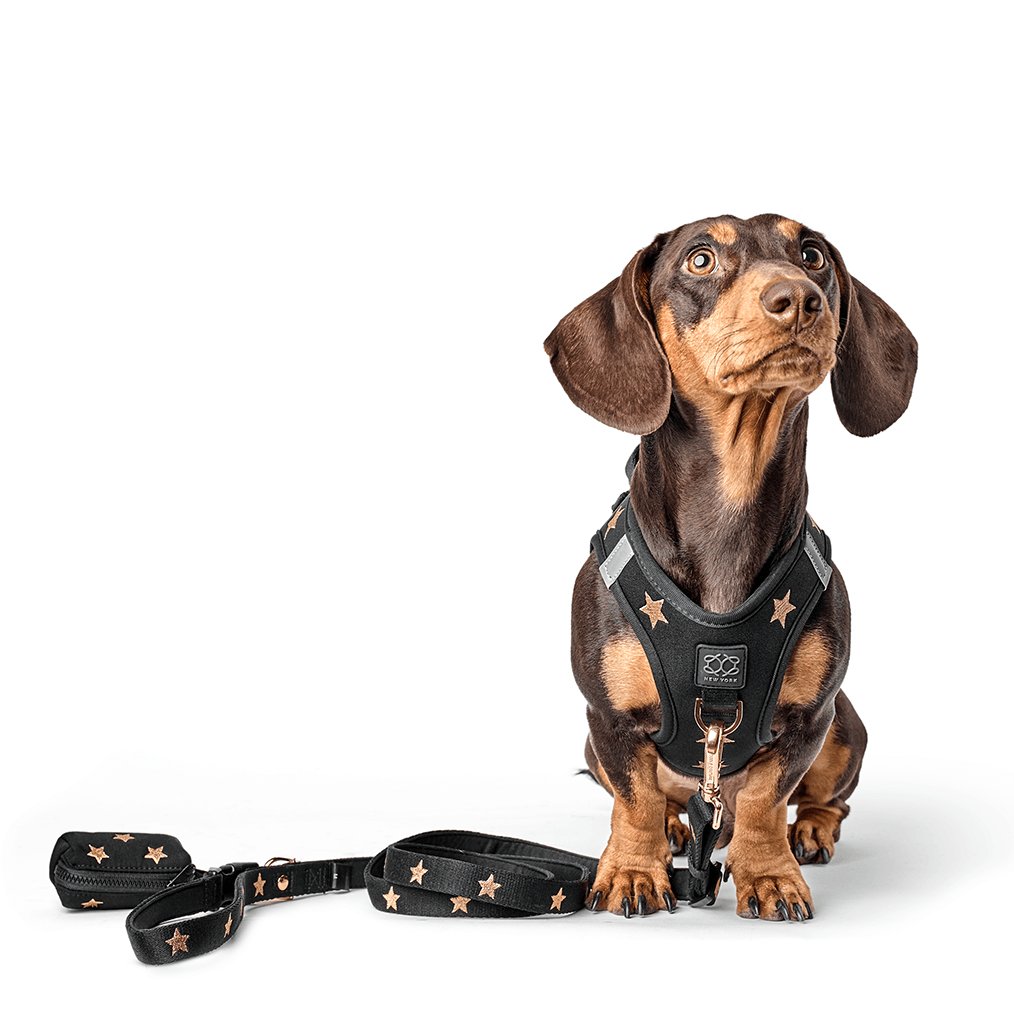
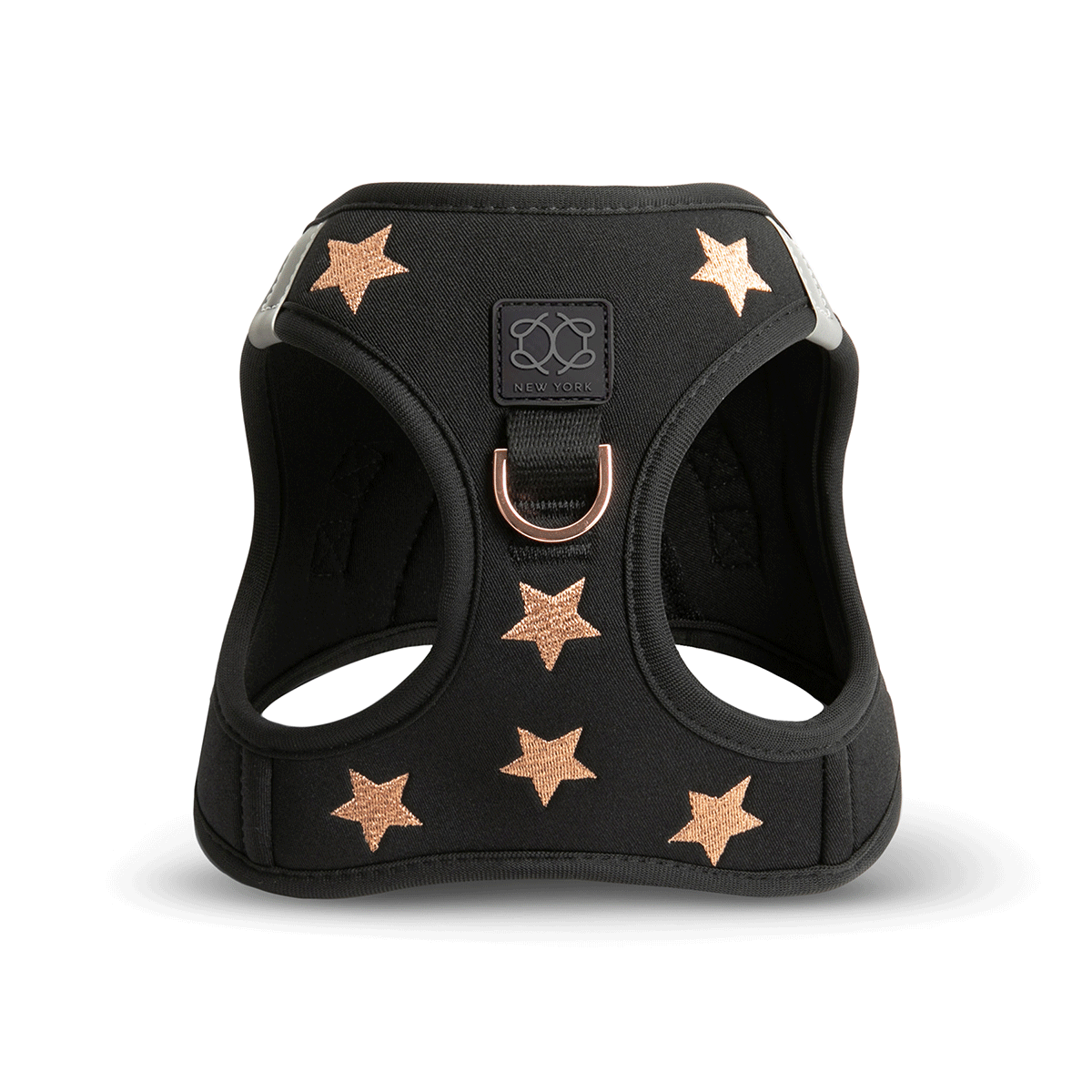
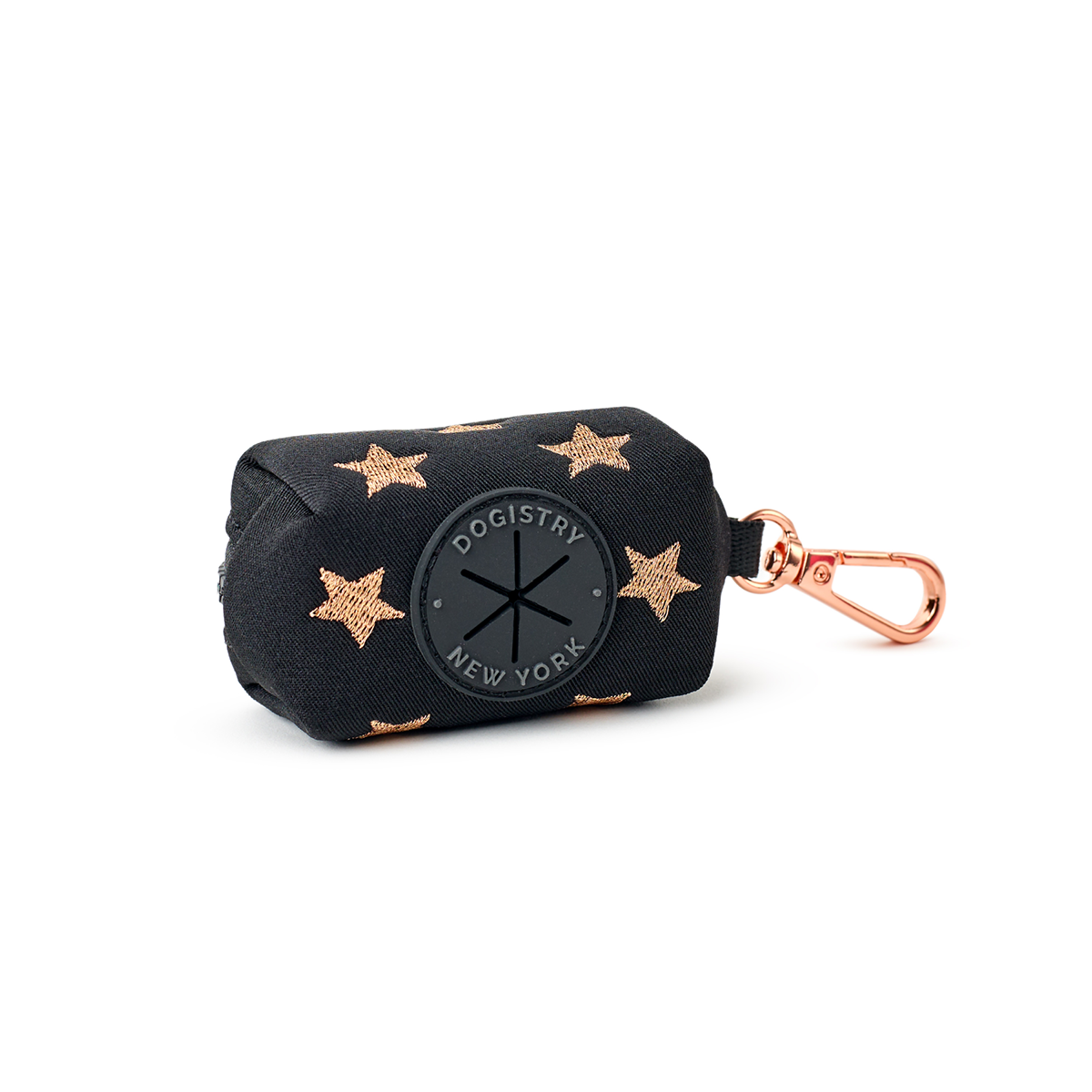
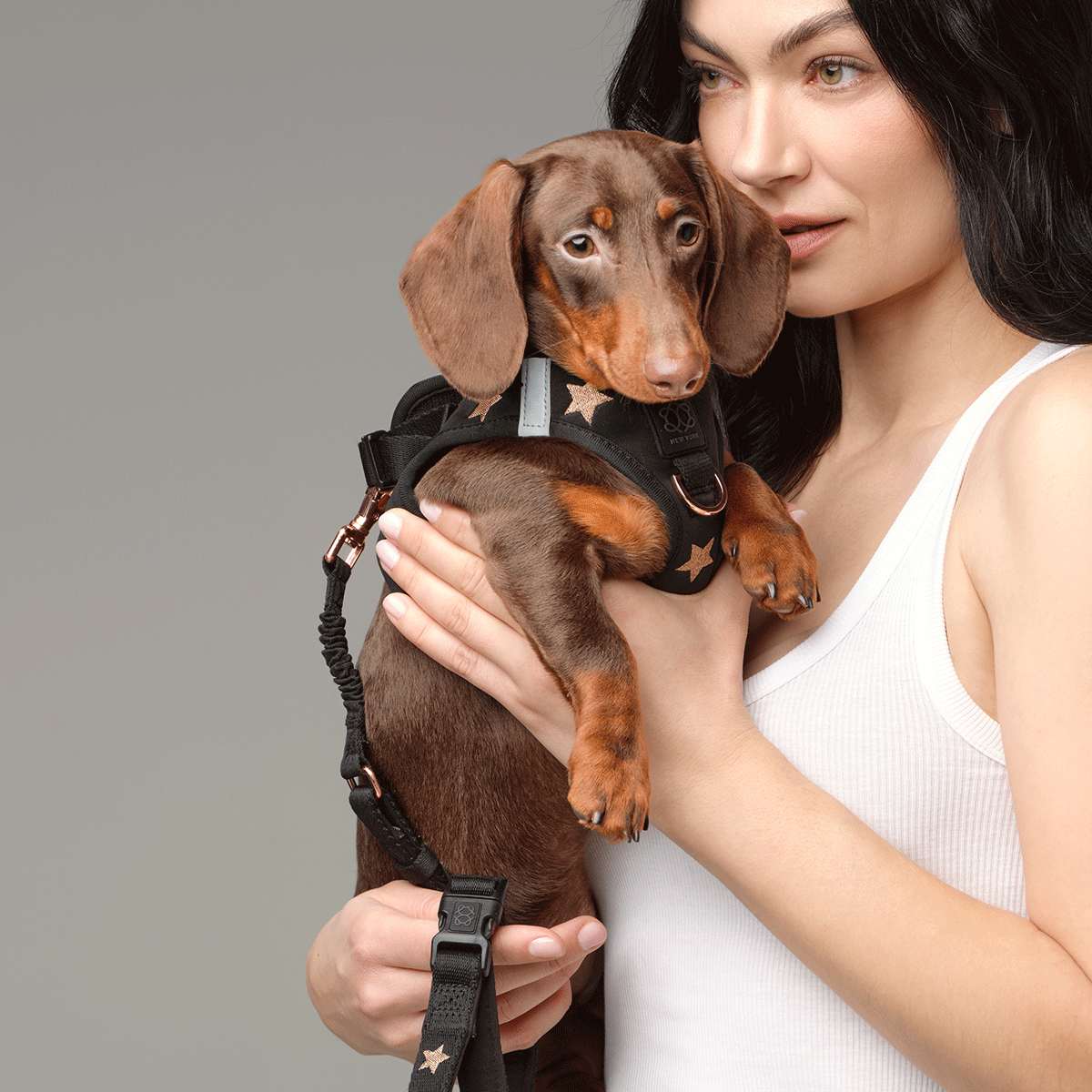
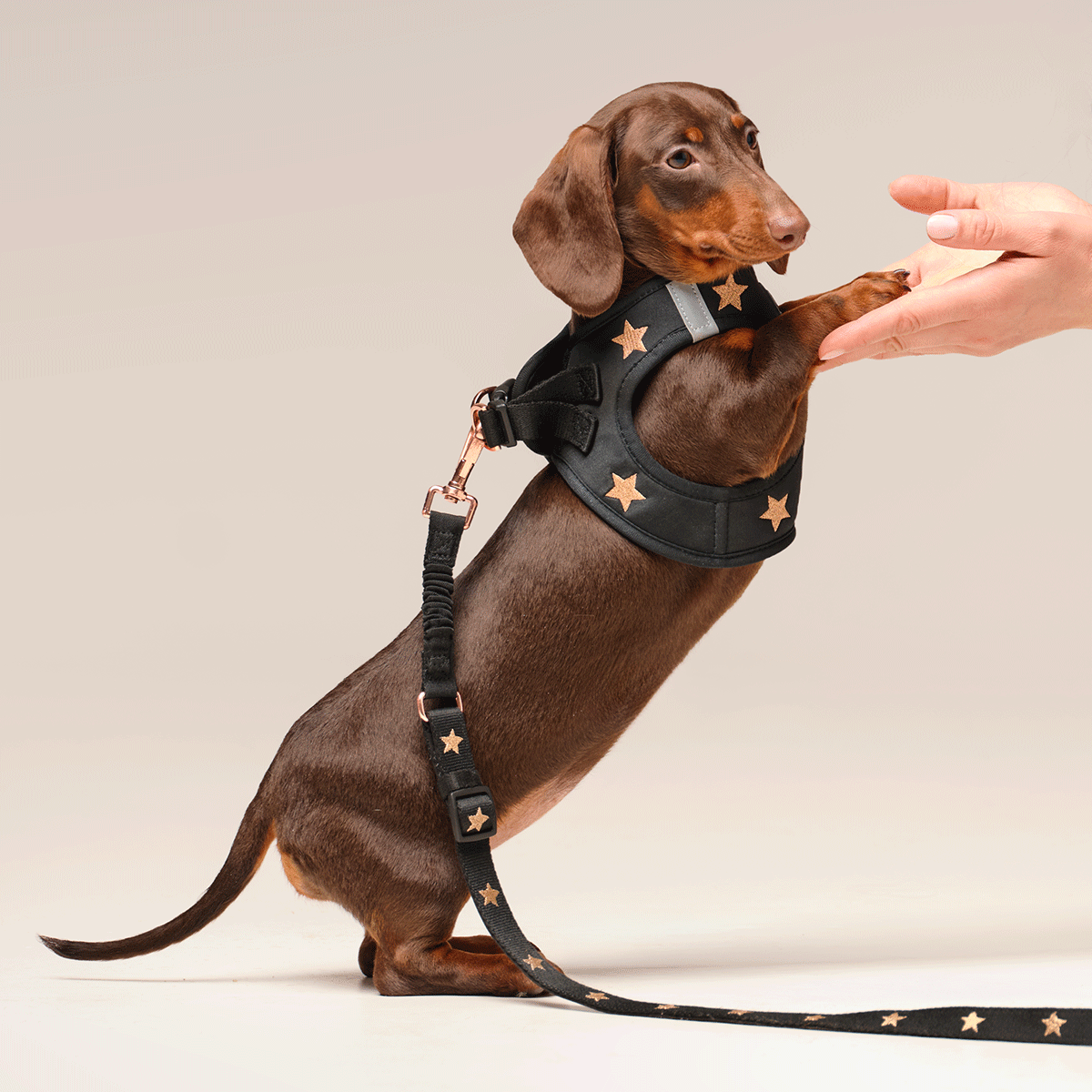
The Rockstar Hudson style, for example, features signature silver embroidered stars. Other styles offer different visual personalities, from understated colors to bolder designs.
Choose a style that you enjoy, but let comfort, secure fit, and reliable construction guide the final decision. A distinctive appearance is most valuable when the collar also suits the dog's everyday needs.
How to Measure Your Dog's Neck
Accurate measurement is the foundation of choosing the correct collar size. A flexible measuring tape makes the process easier, but it is important to follow the brand's sizing instructions rather than guessing from the dog's breed.
Measure the Neck Carefully
Place the tape around the area where the collar is intended to sit, following the manufacturer's measuring guidance. Keep the tape close to the coat without pulling it tight, and ensure that it lies flat rather than twisting.
Repeat the measurement if your dog moves or the tape slips. If the result falls between sizes, compare it with the adjustable range and sizing recommendations for the exact collar.
Apply the Two-Finger Check Thoughtfully
A commonly used preliminary fit check is to see whether two fingers can fit comfortably between the collar and the dog's neck. This is a general guideline, not a substitute for the manufacturer's instructions or an assessment of the collar's actual fit.
The collar should not be so loose that the dog can easily back out of it, nor so tight that it presses uncomfortably against the neck. Consider the dog's size, coat, and collar construction when assessing the fit.
Recheck the Fit Over Time
A collar that fit well several months ago may no longer be appropriate. Puppies can grow quickly, while adult dogs may experience weight changes or seasonal coat changes that affect how the collar sits.
Make fit checks part of your regular pet-care routine. Reassess the collar after adjusting it, after cleaning it, and whenever you notice changes in your dog's behavior or comfort.
Choosing the Right Collar Size
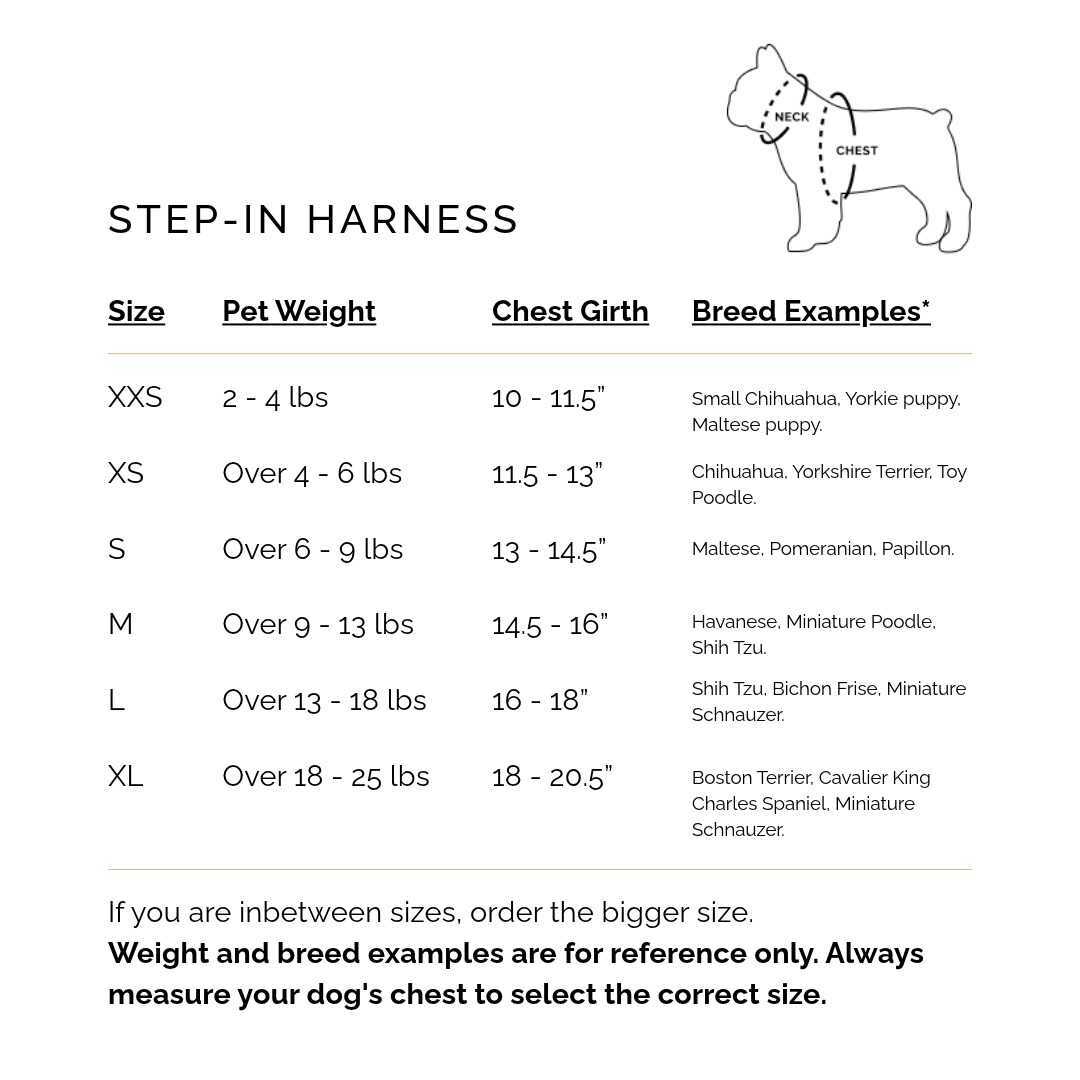
DOGISTRY's available sizes and measurements should be checked on the current product listing because sizing can vary by style. For example, the published Black City Collar size ranges have included XS for dogs around 3–10 pounds, S for 8–25 pounds, M for 20–50 pounds, and L for 45–100 pounds or more.
These weight ranges are product guidance, not a guarantee that a size will fit every dog within the range. Neck measurement, body proportions, and the actual adjustment range are more useful for confirming the final choice.
Why Weight Is Not Enough
Two dogs that weigh the same amount can have different neck circumferences. Breed, muscle distribution, body condition, and coat thickness can all influence how a collar fits.
Use weight as a reference point, then confirm the neck measurement. If you remain unsure, consult DOGISTRY's current size chart or customer support before purchasing.
Avoid Sizing Up Without Checking
Choosing a larger collar does not always provide a better fit. If the collar cannot be adjusted securely around the dog's neck, it may rotate, slip, or become easier to escape.
Similarly, a smaller collar should not be forced to fit simply because it matches a preferred style. The right size is the one that falls within the manufacturer's intended range and remains comfortable and secure when properly fastened.
Everyday Collar Wear and Identification
Many owners use collars to carry identification information, helping others identify their dog if they become separated. If you choose to attach an identification tag, make sure the attachment is secure and does not create an unnecessary snagging hazard.
Keep identification details current and check that tags remain legible. A collar and identification tag can be useful parts of a broader safety plan, but they do not replace supervision, secure fencing, or appropriate handling outdoors.
Know When a Collar Should Be Removed
Some dogs may be more comfortable without a collar when resting at home, particularly if they are unsupervised in an environment where the collar could catch on furniture, crates, or other objects. Follow the manufacturer's guidance and consider your home's specific hazards.
For dogs sharing a play area, collar-related entanglement can be a concern. Owners should assess the setting and remove collars when appropriate to reduce the risk of snagging or injury.
Do Not Assume Every Collar Is for Leash Walking
Different collar designs are intended for different uses. Confirm that the specific product is designed for the type of handling you plan to use, and do not attach a leash to a collar unless the manufacturer indicates that it is appropriate.
For dogs who pull strongly or have neck sensitivity, consult a veterinarian or qualified trainer about suitable walking equipment. A comfortable everyday collar may be best used primarily for identification and ordinary wear, depending on the dog and the product instructions.
Introducing a New Collar
A new collar can feel unfamiliar, particularly to puppies or dogs who have not worn one before. A gradual introduction helps owners identify discomfort and build a positive association.
Begin With a Calm Introduction
Let your dog inspect the collar before fastening it. Reward relaxed behavior and avoid rushing the process, especially if your dog moves away or appears anxious.
Fasten the collar for a short period while supervising your dog. Watch for scratching, freezing, repeated attempts to remove it, or unusual movements that suggest the collar is uncomfortable.
Increase Wear Gradually
If your dog remains relaxed, gradually extend the time the collar is worn, while checking the fit and skin. Pair the experience with familiar routines so that the collar does not become associated only with stressful events.
If your dog shows persistent distress, stop and reassess. A different size, material, or approach to introduction may be more appropriate.
Caring for Your DOGISTRY City Collar
Regular care helps keep a collar looking good and makes it easier to notice wear. The right cleaning method depends on the materials and hardware, so consult the product's current care instructions before washing.
Keep the Collar Clean
Dirt, sweat, oils, and moisture can accumulate during everyday use. Clean the collar using an appropriate method and allow it to dry fully before putting it back on your dog.
Avoid using harsh chemicals or methods that may damage the fabric, padding, embroidery, or hardware. If the collar becomes wet during an outing, inspect it and make sure it dries properly.
Inspect the Stitching and Fasteners
Check the collar for loose threads, fraying, damaged closures, and hardware that no longer works correctly. Pay attention to areas where the collar bends or experiences frequent friction.
If the collar's structure becomes unreliable, replace it. A product should not remain in use solely because its exterior still looks attractive.
Check for Skin Irritation
When removing the collar, inspect the area underneath for redness, moisture, hair loss, or other signs of irritation. Persistent symptoms should be discussed with a veterinarian, especially if they continue after the collar has been removed.
A good collar should not create ongoing discomfort. Adjusting the fit, keeping the area clean and dry, or selecting a different design may help, depending on the cause.
Choosing a Collar Style That Fits Your Dog's Personality
The visual design of a collar can be a small way to express your dog's personality. Some owners prefer neutral shades that work across different settings, while others enjoy colors and patterns that make their companion stand out.
DOGISTRY's collection has included classic Black, soft Blush, cool Lilac Gray, rich Denim, and more distinctive options such as Rockstar and Rockstar Hudson. Availability and product details may change, so check the current collection before making a decision.
Consider the dog's coat color and your personal preferences, but remember that a beautiful collar is only a good choice if it fits correctly. Comfort and safe use should always take priority over matching a particular look.

Common Collar Mistakes to Avoid
One of the most common mistakes is purchasing by weight or breed alone. Measurements are essential because dogs within the same weight range may have very different neck sizes.
Another mistake is leaving a collar on without regular checks. Fit can change over time, and moisture or friction can contribute to irritation that may go unnoticed beneath the collar.
Owners should also avoid assuming that a padded collar is automatically suitable for long periods of wear. Padding can contribute to comfort, but the fit, material, dog's skin, and environment still matter.
Finally, do not ignore worn hardware or damaged stitching. A collar should be inspected regularly and replaced when it can no longer be used reliably.
Frequently Asked Questions
What makes the DOGISTRY City Collar distinctive?
Its design combines a distinctive outer fabric with a plush padded neoprene interior and a range of colors and patterns. Check the current product listing for the specific style's materials and features.
How do I know which collar size to buy?
Measure your dog's neck and compare the result with the size chart for the exact collar. Weight can be a useful reference, but it should not replace measurement.
Can my dog wear a collar all day?
Suitability depends on the dog, the collar, and the environment. Check the manufacturer's guidance, monitor the skin and coat, and remove the collar when appropriate to prevent snagging or discomfort.
How often should I inspect the collar?
Check the fit regularly and inspect the hardware and stitching before use. Reassess it whenever your dog's size changes or you notice signs of irritation.
Which DOGISTRY collar style should I choose?
Start with the correct size and material, then select the color or pattern you prefer. The best style is one that combines suitable fit, comfort, and dependable construction.
Final Thoughts: A Better Collar Starts With the Right Fit
A collar is a small everyday item, but its comfort and reliability can make a meaningful difference to your dog's routine. Proper sizing, regular inspection, gentle introduction, and suitable care are the foundations of responsible collar use.
The DOGISTRY City Collar collection gives owners different ways to combine practical everyday wear with a distinctive design. Compare the available styles, measure carefully, and choose a collar that suits your dog rather than relying on appearance alone.
Explore the DOGISTRY City Collar collection to find an everyday style that fits your dog's needs. When comfort and thoughtful design come together, even the simplest essentials can feel more considered.