Everyday Walks, Better Connection: A Guide to Choosing the Right DOGISTRY Dog Leash
A daily walk can be one of the simplest ways to spend meaningful time with your dog. It creates opportunities to explore, practice good walking habits, and enjoy a change of scenery, but the quality of the experience often depends on the equipment you use and how comfortably you handle it.
A dog leash is a small item with an important job. It helps maintain a connection between dog and owner while allowing movement within appropriate boundaries. The right leash should feel comfortable in your hand, suit the environments you visit, and support a consistent walking routine.
DOGISTRY's leash collection combines practical features with coordinated design options. Understanding what makes a leash useful can help you select a style that supports your everyday needs without sacrificing the polished appearance you appreciate.

Why Your Choice of Leash Matters
A leash influences how you manage distance, respond to changes in direction, and guide your dog through everyday environments. A design that feels awkward in your hand or is difficult to adjust may make routine walks more frustrating than they need to be.
The best choice depends on your dog's size, strength, walking behavior, and the places you usually visit. A short urban walk, a busy sidewalk, and a quiet open area may call for different handling considerations.
No leash replaces supervision or training. Owners should always use the leash according to its intended design, maintain a secure grip when necessary, and remain attentive to surrounding people, animals, traffic, and other hazards.
Discover the DOGISTRY 3-in-1 City Dog Leash
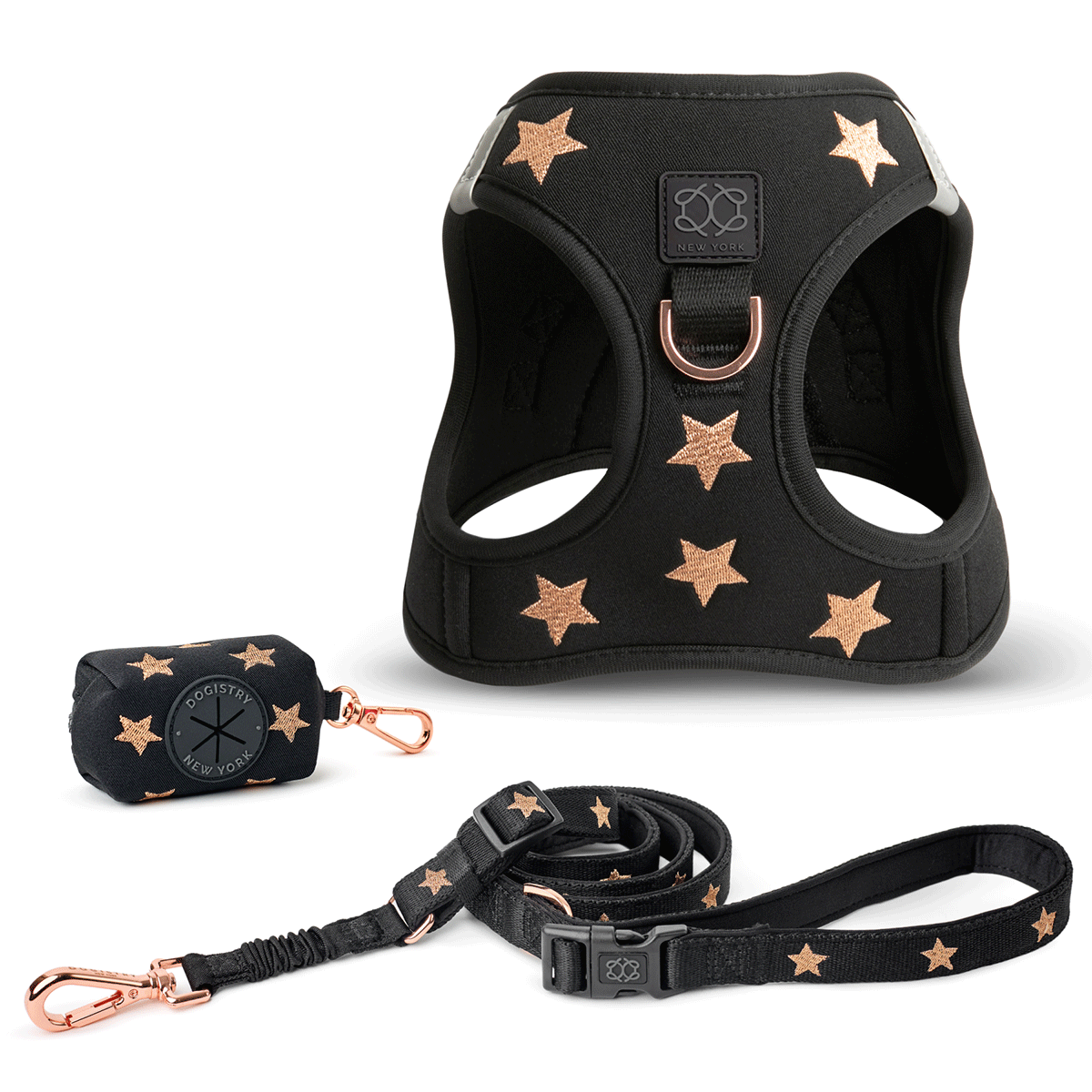
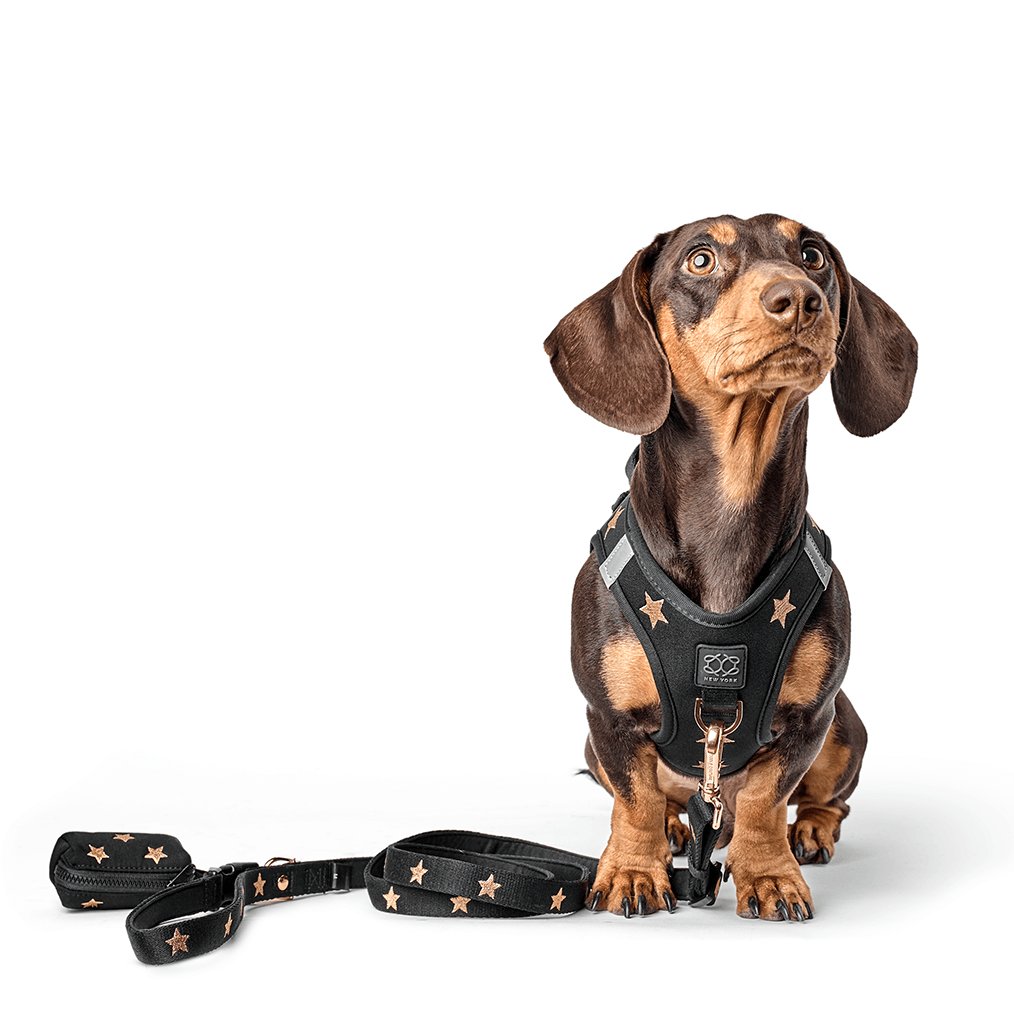
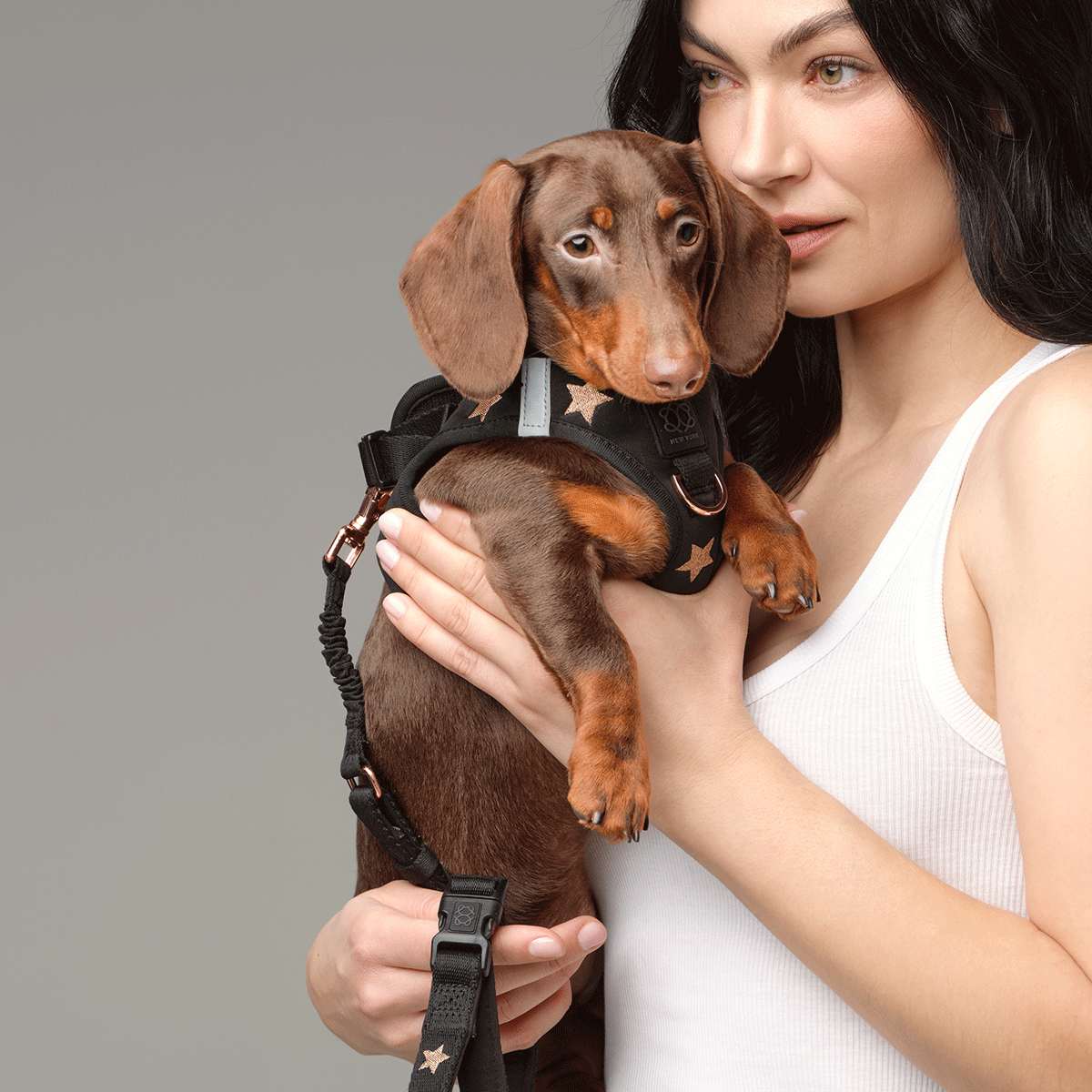
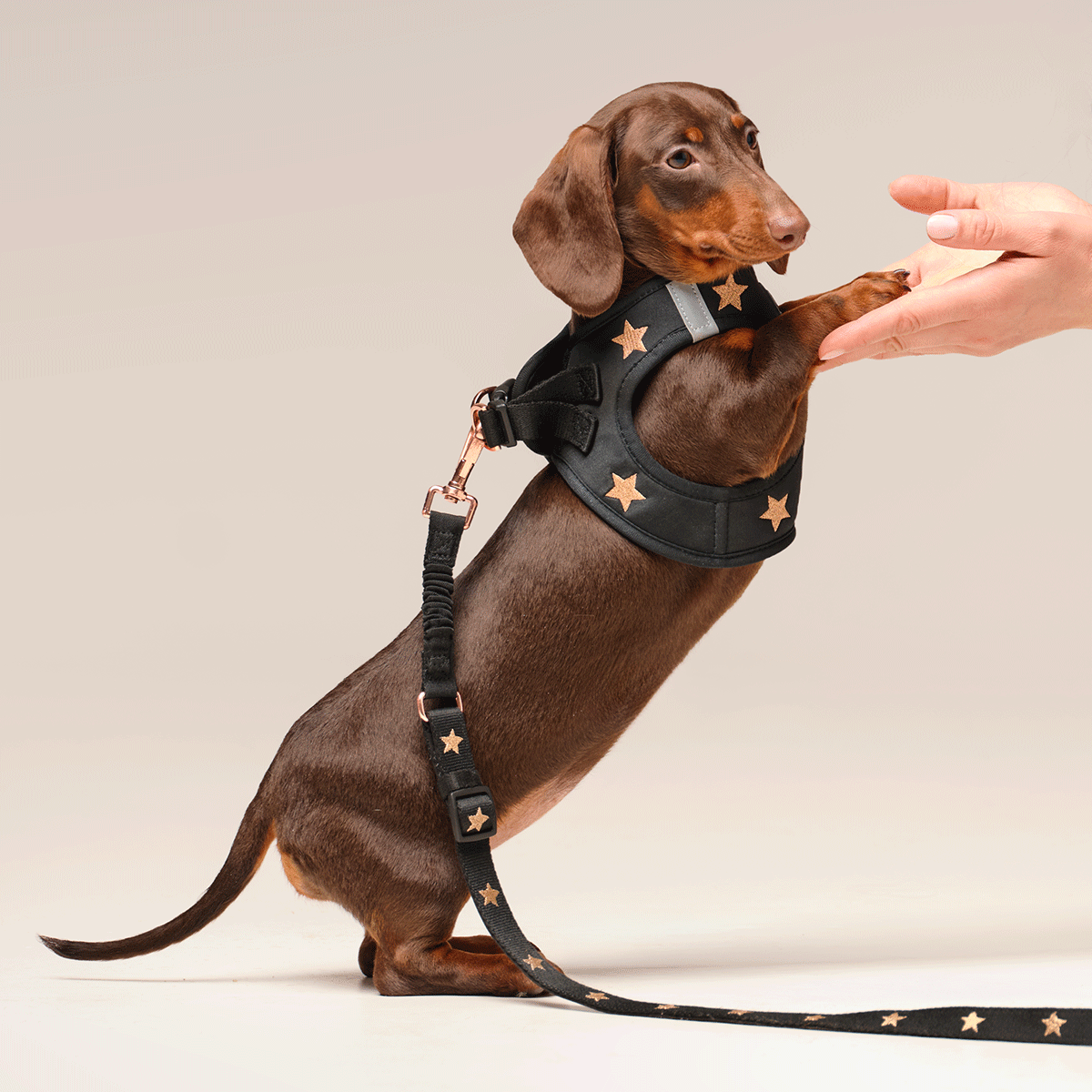
The DOGISTRY 3-in-1 City Dog Leash is designed to offer flexibility for everyday use. Its adjustable length, built-in comfort bungee, and convertible handle configuration provide several practical options for owners who want one leash to accommodate different situations.
The adjustable design ranges from approximately two to five feet, allowing the owner to choose a length suited to the environment. Shorter configurations may be useful in busy areas where closer handling is needed, while a longer configuration can provide additional room in appropriate, less crowded settings.
The built-in bungee is designed to absorb some tension when a dog suddenly moves forward. It should not be treated as a substitute for training or as a guarantee against abrupt movement, but it can be a helpful feature for owners seeking a leash with some flexibility.
Adjustable Length for Different Environments
Leash length affects how much space a dog can explore and how quickly an owner can respond to changing conditions. In crowded areas, keeping the leash shorter can help maintain a manageable distance and reduce the likelihood of tangling with other pedestrians.
On quieter routes, a longer setting may offer more room for sniffing and exploration while preserving a physical connection. Owners should choose the length based on the surroundings rather than assuming that maximum length is always best.
Adjustability also means you can adapt without carrying several different leashes. Before walking, check how the adjustment system works and confirm that the selected configuration is secure.
A Bungee Feature for Added Flexibility
Dogs sometimes change direction suddenly when they notice an interesting smell, another animal, or an unexpected sound. A leash with a bungee section can provide some give during these moments, potentially reducing the abrupt feeling of a sudden pull.
However, flexibility is not the same as control. Owners still need to anticipate their dog's behavior, maintain appropriate distance from hazards, and practice calm leash skills.
If a dog regularly lunges or pulls strongly, consider a structured training plan and assess whether the current walking setup is suitable. A bungee feature can complement responsible handling, but it should never be relied upon as the only solution.
A Convertible Handle for Different Situations
The 3-in-1 City Dog Leash includes a handle configuration intended to offer additional versatility, including hands-free moments and tethering when appropriate. This flexibility can be useful when an owner needs to adapt how the leash is held during a routine outing.
Any hands-free configuration requires careful judgment. Use it only in suitable environments, keep your dog close enough to manage safely, and avoid situations where a sudden pull could cause you to lose balance or control.
Never tether a dog where doing so would create a risk of entanglement, escape, injury, or interference with other people. Always follow the product's instructions and local rules for public spaces.
How to Choose the Right Leash for Your Dog
Not every dog has the same walking style. Some move calmly beside their owner, while others are enthusiastic explorers who need more practice with direction changes and loose-leash behavior.
Consider Your Dog's Size and Strength
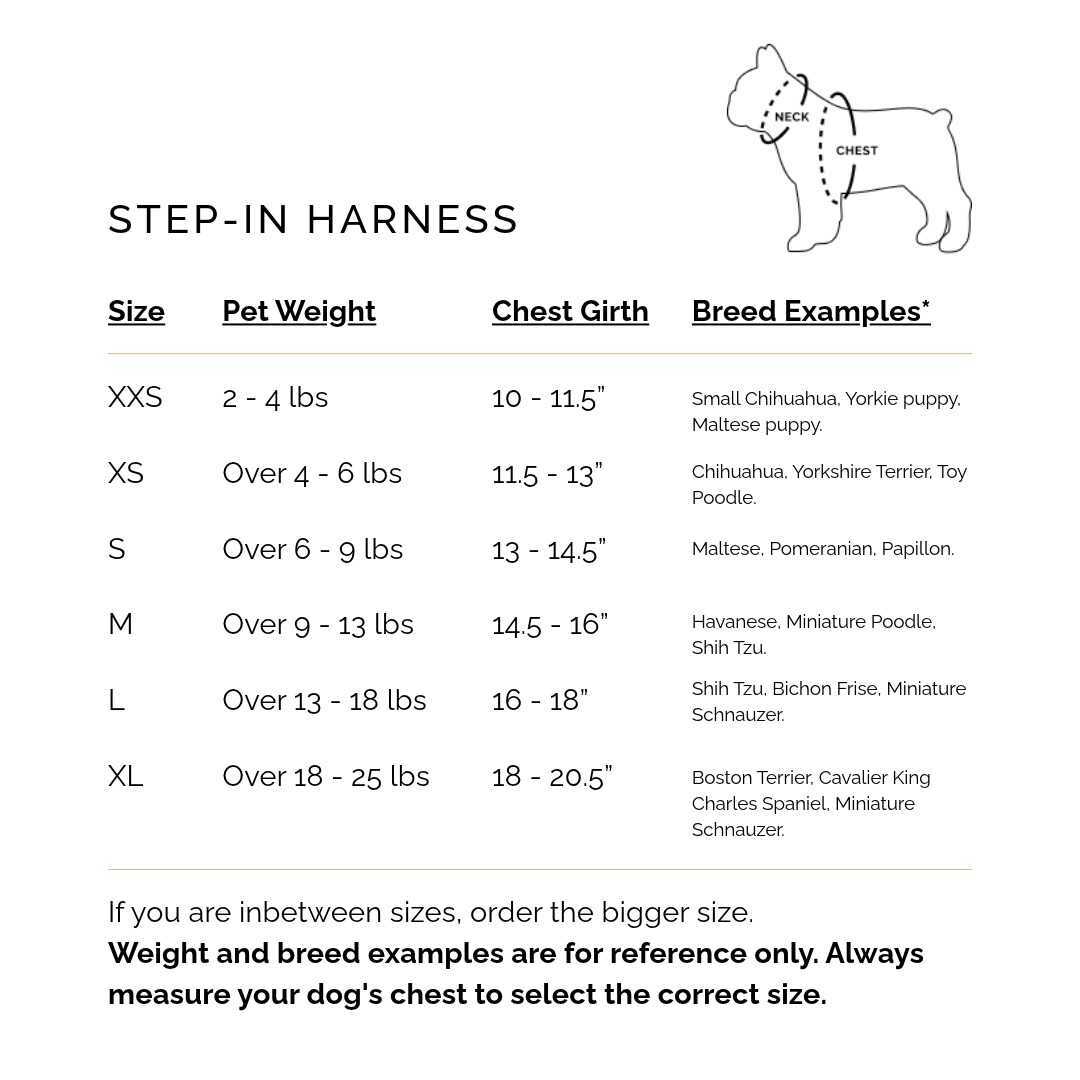
A leash should be appropriate for the dog's size and expected pulling force. Check the manufacturer's guidance on intended use and inspect the attachment hardware to ensure it is compatible with your dog's walking equipment.
A small dog may benefit from a lightweight leash that is easy to manage, while a larger or stronger dog may require equipment specifically designed for higher forces. Do not assume that appearance or thickness alone proves a leash is suitable for a particular dog.
Think About Your Walking Environment
Urban walks often involve narrow sidewalks, crossings, pedestrians, bicycles, and unexpected distractions. A leash that can be shortened quickly may help owners maintain a more manageable distance in these settings.
In quieter spaces, owners may have more room to allow sniffing and exploration. Even then, the leash should remain within a length that is safe and permitted, and dogs should not be allowed to approach unfamiliar animals or people without appropriate consideration.
Evaluate Your Own Handling Preferences
The leash should work for the person holding it as well as the dog wearing the walking equipment. Consider whether you prefer a conventional hand-held grip, an adjustable configuration, or a convertible design that provides additional options.
A leash that is intuitive to use is more likely to become a reliable part of your daily routine. Before the first walk, practice changing its configuration in a safe place so you understand how the adjustments work.
Building Better Walking Habits With a Leash
A well-designed leash supports the physical connection between dog and owner, but good walking habits come from consistent practice. The goal is not to keep a dog perfectly motionless beside you; it is to create a manageable walk where both of you can move safely and communicate clearly.
Practice Loose-Leash Walking
Begin in a quiet environment with limited distractions. Reward your dog for staying near you while the leash remains loose, using treats, praise, or another reward that works for your dog.
If the leash becomes tight, pause or change direction calmly when it is safe to do so. Avoid yanking the leash or turning every moment of tension into a confrontation, as these responses can increase frustration for some dogs.
Allow Appropriate Sniffing
Sniffing is a normal part of a dog's experience outdoors. Giving your dog opportunities to explore suitable areas can make walks more enriching and reduce the pressure to move continuously at the owner's pace.
Use the adjustable length thoughtfully. Allow additional room where the environment permits, then shorten the leash before approaching crossings, narrow paths, or other situations requiring closer handling.
Prepare for Distractions
Dogs may react to food on the pavement, wildlife, other dogs, loud vehicles, or unfamiliar people. Watch your dog's body language and create additional distance when you notice signs of excitement, anxiety, or overstimulation.
A leash can help maintain a connection, but it cannot guarantee that a dog will behave predictably. Plan routes that suit your dog's current skills and seek professional guidance when behavior creates a safety concern.
The DOGISTRY Metro Hands Free Leash
DOGISTRY also offers Metro Hands Free Leash options for owners who prefer a different way to carry the leash during suitable activities. A hands-free design may be useful for certain walking routines, provided it is used as intended and the owner can maintain effective control.
Before using any hands-free setup, consider your dog's pulling strength, the terrain, and your own balance and mobility. A dog that lunges unpredictably may be safer on a conventional hand-held leash while training and management strategies are developed.
Hands-free equipment should not be used simply because it allows the owner to stop holding the leash. The dog's behavior and the environment should determine whether that configuration is appropriate.

Design and Color: Making Practical Gear Personal
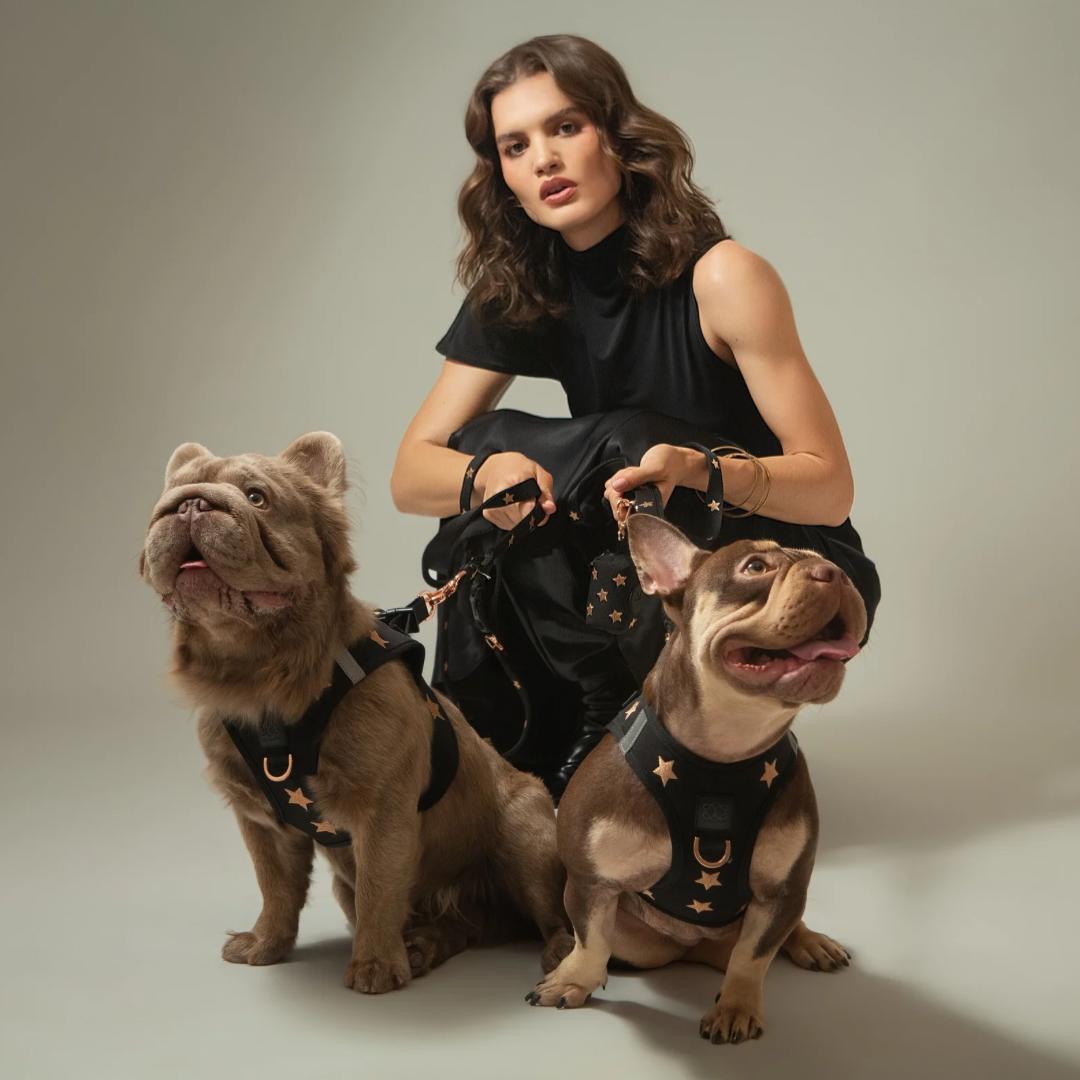
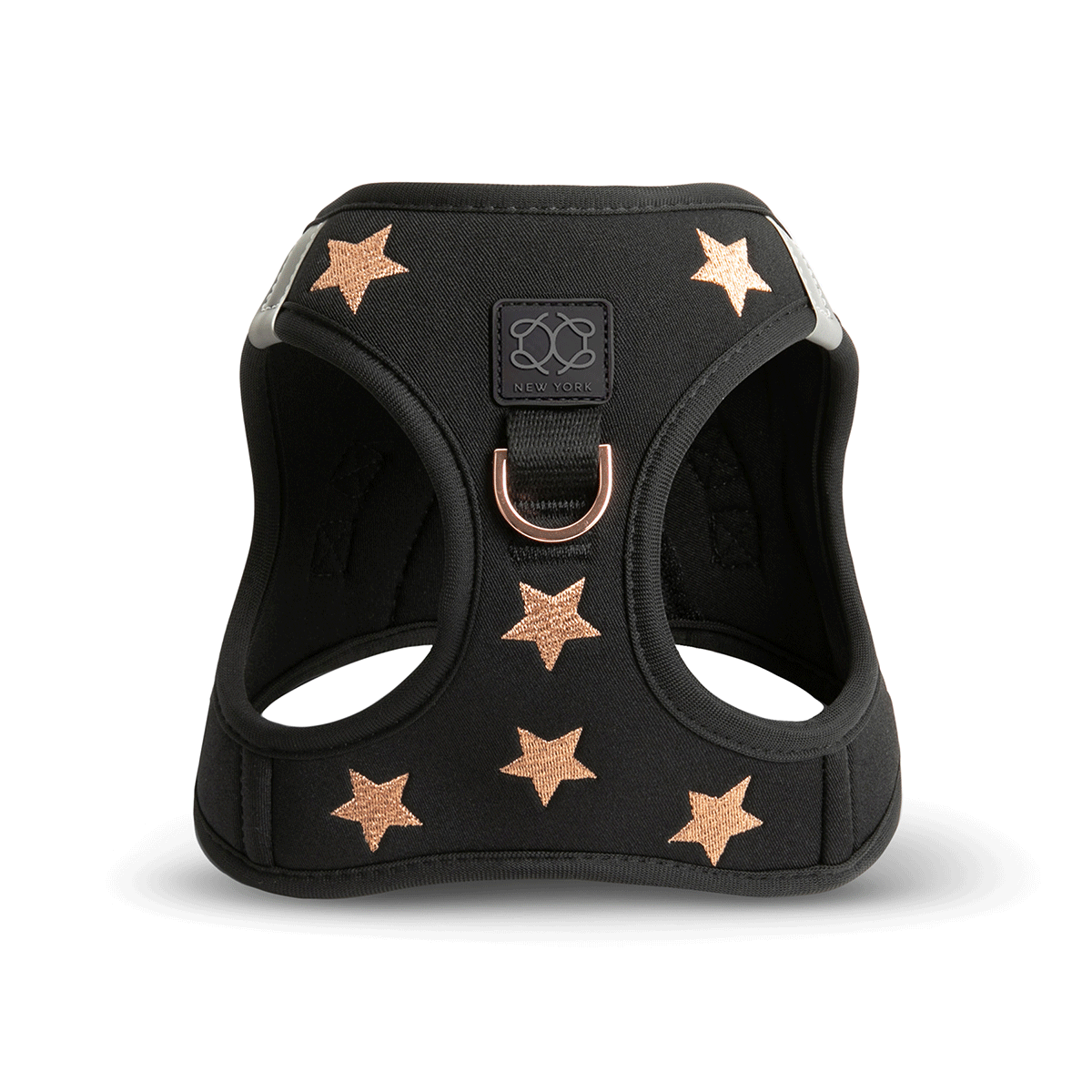
A leash is used frequently, so its appearance may be part of the overall experience for owners who enjoy coordinated accessories. DOGISTRY offers a range of colors and patterns across its leash collection, including options such as Rockstar, Sweetheart, Denim, Hamptons, Dune, Lilac Gray, Steel, Blush, and Black, depending on current availability.
A classic color can suit a simple everyday look, while a distinctive pattern can express more personality. The best choice is one that you enjoy using and that still meets the practical requirements of your dog's routine.
When selecting a design, check the product listing for current colors, dimensions, hardware, and features. Product collections can change, so use the current listing rather than relying on an old photograph or description.
How to Use a Leash More Safely
Good leash habits begin before the door opens. Inspect the leash, secure the connection according to the manufacturer's instructions, and confirm that the selected length is appropriate for the environment.
Check the Attachment Hardware
Look for signs of damage, corrosion, deformation, or a clasp that no longer closes securely. If the attachment point is damaged or unreliable, stop using the leash until it can be replaced.
Make sure the hardware is compatible with the equipment to which it is attached. Never assume that a clasp will remain secure if it is only partially engaged or if the attachment point is worn.
Maintain a Suitable Grip
Hold the leash in a way that allows you to respond without wrapping it tightly around your fingers or wrist. A sudden pull can create injury risk, and a grip that is difficult to release may make an unexpected situation more dangerous.
When using a convertible or hands-free configuration, follow the instructions carefully and assess whether you can respond effectively if your dog changes direction. Avoid using a configuration that makes you feel unstable or unable to maintain appropriate control.
Stay Alert at Crossings and in Crowds
Shorten the leash when approaching roads, crowded sidewalks, narrow passages, or unfamiliar dogs. Give other people room and do not assume that every person or dog wants to interact with yours.
Remain attentive rather than relying on the leash to manage every situation automatically. Awareness, distance, and calm handling are central to responsible walking.
Caring for Your DOGISTRY Leash
A leash is exposed to regular handling, weather, friction, and outdoor dirt. Simple maintenance can help you spot problems early and keep the product in better condition.
Clean When Needed
Follow the care instructions for your specific leash, taking its fabric and hardware into account. Use an appropriate cleaning method and allow the leash to dry fully before storing it.
Avoid harsh chemicals or cleaning methods that could weaken the material or affect hardware finishes. If the leash has been exposed to salt, mud, or other residue, inspect it carefully after cleaning.
Store It Consistently
Keep the leash in a dry place where you can find it easily before an outing. A dedicated storage spot makes it less likely that you will leave home without the equipment you need.
Avoid placing heavy objects on top of the leash or leaving it in conditions that could damage the fabric or hardware. Before each walk, take a moment to confirm that it is ready for use.
Replace Worn Equipment
Fraying, loose stitching, damaged adjustment components, and unreliable clasps are signs that a leash may no longer be suitable for use. Replace damaged equipment promptly instead of waiting for a complete failure.
The frequency of inspection should reflect how often the leash is used and the conditions it experiences. Dogs who pull strongly or walk many times each day may require more frequent checks.
Common Dog Leash Mistakes
One common mistake is choosing a leash based only on its appearance. Style matters to many owners, but the leash must also suit the dog's size, behavior, and walking environment.
Another mistake is allowing too much length in crowded areas. A longer leash can provide flexibility, but it can also create tangling or make it harder to manage distance around other people and animals.
Owners may also expect equipment to eliminate pulling without training. Even a leash with adjustable length or a bungee section cannot replace consistent reinforcement and an understanding of the dog's behavior.
Finally, do not overlook maintenance. A leash that looks attractive may still have worn stitching or a damaged clasp, so regular inspection is essential.
Frequently Asked Questions
What makes the DOGISTRY 3-in-1 City Dog Leash different?
Its design combines adjustable length, a built-in comfort bungee, and a convertible handle configuration intended to provide flexibility for everyday use. Review the current product listing for exact features and instructions.
How long is the 3-in-1 City Dog Leash?
The leash is described as adjustable from approximately two to five feet. Check the current product listing to confirm the specifications for the exact version you intend to purchase.
Is a hands-free leash suitable for every dog?
No. It depends on the dog's strength and behavior, the environment, and the owner's ability to maintain control. Dogs that lunge or pull unpredictably may require a different setup while training.
Does a bungee leash stop pulling?
No. A bungee section can provide some give when tension changes, but it does not teach loose-leash walking or guarantee control. Training and safe handling remain necessary.
How often should I inspect my leash?
Inspect it before every walk, paying particular attention to the clasp, stitching, adjustment points, and areas that experience frequent friction. Replace it if any component becomes unreliable.
Final Thoughts: Choose a Leash That Works With Your Routine
A good dog leash should feel practical, dependable, and comfortable to use. The right length, suitable handling options, reliable hardware, and consistent care can help make everyday outings easier to manage.
DOGISTRY's 3-in-1 City Dog Leash and Metro Hands Free Leash collection offer different approaches to everyday convenience. Take time to compare their features, understand their intended use, and choose the design that suits your dog and walking environment.
Explore the DOGISTRY leash collection to find a style that supports your everyday walks. With thoughtful equipment, consistent handling, and patient training, ordinary outings can become more enjoyable moments of connection with your dog.